pattern

Vocabulário para IELTS (Geral) - Gostos e Desgostos

Aqui você aprenderá algumas palavras em inglês sobre gostar ou não gostar de pessoas ou coisas, como "paixão", "misógino", "detestar", etc., que são necessárias para o IELTS.

Revisar

Flashcards

formas

Ortografia

Quiz

Começar a aprender
Words for General IELTS
to adore
to adore
[verbo]

to love and respect someone very much

adorar, venerar

adorar, venerar

Ex: They adore their parents for the sacrifices they've made for the family. 

Eles adoram seus pais pelos sacrifícios que fizeram pela família.

Fechar
Entrar
to please
to please
[verbo]

to make someone satisfied or happy

satisfazer, agradar

satisfazer, agradar

Ex: The artist painted a beautiful portrait to please her client. 

A artista pintou um belo retrato para agradar seu cliente.

Fechar
Entrar
aversion
aversion
[substantivo]

a strong feeling of dislike toward someone or something

aversão, repugnância

aversão, repugnância

Ex: The child developed an aversion to broccoli after a bad experience. 

A criança desenvolveu uma aversão ao brócolis depois de uma experiência ruim.

Fechar
Entrar
partial
partial
[adjetivo]

liking someone or something, or having an interest in them

parcial, inclinado

parcial, inclinado

Ex: He showed he was partial to vintage cars by collecting them. 

Ele mostrou que era partial por carros antigos ao colecioná-los.

Fechar
Entrar
passion
passion
[substantivo]

a powerful and intense emotion or feeling toward something or someone, often driving one's actions or beliefs

paixão

paixão

Ex: The artist's passion for painting was evident in the vibrant colors and expressive brushstrokes of her work. 

A paixão da artista pela pintura era evidente nas cores vibrantes e nas pinceladas expressivas de sua obra.

Fechar
Entrar
keen
keen
[adjetivo]

having a strong enthusiasm, desire, or excitement for something or someone

entusiasta, apaixonado

entusiasta, apaixonado

Ex: He wasn’t too keen on attending the party, so he stayed in. 

Ele não estava muito animado para ir à festa, então ficou em casa.

Fechar
Entrar
to dislike
to dislike
[verbo]

to not like a person or thing

desgostar, não gostar

desgostar, não gostar

Ex: We strongly dislike rude people; they're disrespectful. 

Nós desgostamos fortemente de pessoas rudes; elas são desrespeitosas.

Fechar
Entrar
to despise
to despise
[verbo]

to hate and have no respect for something or someone

desprezar, odiar

desprezar, odiar

Ex: We despise cruelty to animals and support organizations that work to protect them. 

Nós desprezamos a crueldade contra os animais e apoiamos as organizações que trabalham para protegê-los.

Fechar
Entrar
disgust
disgust
[substantivo]

a strong feeling of distaste for someone or something

nojo, repugnância

nojo, repugnância

Ex: She felt a wave of disgust wash over her as she discovered the unsanitary conditions of the public restroom. 

Ela sentiu uma onda de nojo invadi-la ao descobrir as condições insalubres do banheiro público.

Fechar
Entrar
prejudice
prejudice
[substantivo]

an unreasonable opinion or judgment based on dislike felt for a person, group, etc., particularly because of their race, sex, etc.

preconceito, parcialidade

preconceito, parcialidade

Ex: The novel explores themes of prejudice and social inequality. 

O romance explora temas de preconceito e desigualdade social.

Fechar
Entrar
resistance
resistance
[substantivo]

the act of opposing or refusing to accept something one disapproves of or disagrees with

resistência, oposição

resistência, oposição

Ex: Resistance from staff delayed the implementation. 

A resistência da equipe atrasou a implementação.

Fechar
Entrar
to abide
to abide
[verbo]

(always negative) to tolerate someone or something

suportar, tolerar

suportar, tolerar

Ex: He couldn't abide the arrogance of the new manager, leading him to consider finding a job elsewhere. 

Ele não conseguia suportar a arrogância do novo gerente, levando-o a considerar encontrar um emprego em outro lugar.

Fechar
Entrar
antipathy
antipathy
[substantivo]

a strong feeling of hatred, opposition, or hostility

antipatia, aversão

antipatia, aversão

Ex: Despite their antipathy, they managed to work together on the project. 

Apesar da sua antipatia, eles conseguiram trabalhar juntos no projeto.

Fechar
Entrar
grudge
grudge
[substantivo]

a deep feeling of anger and dislike toward someone because of what they did in the past

rancor, ressentimento

rancor, ressentimento

Ex: She tried to forgive, but the grudge from the betrayal lingered. 

Ela tentou perdoar, mas o rancor da traição persistiu.

Fechar
Entrar
misogynist
misogynist
[substantivo]

someone who despises women or assumes men are much better

misógino, machista

misógino, machista

Ex: Jane stopped dating him when she realized his misogynist tendencies. 

Jane parou de namorá-lo quando percebeu suas tendências misóginas.

Fechar
Entrar
to favor
to favor
[verbo]

to treat someone better than someone else, especially in an unfair manner

favorecer, privilegiar

favorecer, privilegiar

Ex: It's unfair when they favor people based on who they know. 

É injusto quando eles favorecem as pessoas com base em quem elas conhecem.

Fechar
Entrar
inclined
inclined
[adjetivo]

having a tendency to do something

inclinado, propenso

inclinado, propenso

Ex: He is inclined to procrastinate when faced with difficult tasks. 

Ele está inclinado a procrastinar quando enfrenta tarefas difíceis.

Fechar
Entrar
preferable
preferable
[adjetivo]

more desirable or favored compared to other options

preferível, mais desejável

preferível, mais desejável

Ex: Many people find online shopping preferable to visiting physical stores due to convenience. 

Preferível é o que muitas pessoas encontram nas compras online em comparação com visitar lojas físicas devido à conveniência.

Fechar
Entrar
preference
preference
[substantivo]

a tendency or predisposition to favor something over other options

preferência, inclinação
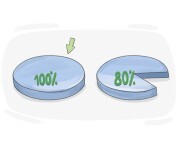
preferência, inclinação

Ex: His preference for morning workouts guided his schedule. 

Sua preferência por treinos matinais guiou sua agenda.

Fechar
Entrar
absolute
absolute
[adjetivo]

complete and total, with no imperfections or exceptions

absoluto, total

absoluto, total

Ex: The plan was an absolute success. 
Fechar
Entrar
to appeal
to appeal
[verbo]

to attract or gain interest, approval, or admiration

atrair, agradar

atrair, agradar

Ex: His speech appealed to voters' desire for change and better opportunities. 

Seu discurso apelou ao desejo dos eleitores por mudança e melhores oportunidades.

Fechar
Entrar
enemy
enemy
[substantivo]

someone who is against a person, or hates them

inimigo, adversário

inimigo, adversário

Ex: He treated anyone who disagreed with him as an enemy. 

Ele tratava qualquer um que discordasse dele como um inimigo.

Fechar
Entrar
to stand
to stand
[verbo]

to be willing to accept or tolerate a difficult situation

suportar, tolerar

suportar, tolerar

Ex: The dedicated team had to stand the long hours and tight deadlines during the busy season. 

A equipe dedicada teve que aguentar as longas horas e os prazos apertados durante a temporada movimentada.

Fechar
Entrar
to captivate

to attract someone by being irresistibly appealing

cativar, encantar

cativar, encantar

Ex: The adorable antics of the kittens captivated the children, bringing joy to their hearts. 

As travessuras adoráveis dos gatinhos cativaram as crianças, trazendo alegria aos seus corações.

Fechar
Entrar
to detest
to detest
[verbo]

to absolutely hate someone or something

detestar, aborrecer

detestar, aborrecer

Ex: We detest dishonesty and value truthfulness and integrity. 

Nós detestamos a desonestidade e valorizamos a veracidade e a integridade.

Fechar
Entrar
to long
to long
[verbo]

to strongly want something, especially when it is not likely to happen soon

ansiar, suspirar por

ansiar, suspirar por

Ex: Many people long for genuine connections and meaningful relationships. 

Muitas pessoas anseiam por conexões genuínas e relacionamentos significativos.

Fechar
Entrar
to loathe
to loathe
[verbo]

to dislike something or someone very much, often with a sense of disgust

detestar, aborrecer

detestar, aborrecer

Ex: She loathes the idea of working late on weekends. 

Ela odeia a ideia de trabalhar até tarde nos fins de semana.

Fechar
Entrar
LanGeek
Baixar o aplicativo LanGeek