


最も一般的な500の英語名詞 - トップ76 - 100名詞

ここでは、"部屋"、"子供"、"映画"などの英語で最も一般的な名詞のリストのパート4が提供されています。

review-disable

レビュー

flashcard-disable

フラッシュカード

spelling-disable

綴り

quiz-disable

クイズ

学習を開始
最も一般的な500の英語名詞
student [名詞]
اجرا کردن

学生

Ex: Can you introduce yourself to the new student in class ?

クラスの新しい生徒に自己紹介できますか?

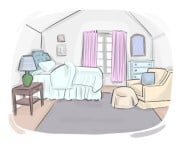
room [名詞]
اجرا کردن

部屋

Ex: Please keep your room clean and organized .

あなたの部屋を清潔に整頓しておいてください。

information [名詞]
اجرا کردن

情報

Ex: She shared important information about the upcoming event .

彼女は今後のイベントについて重要な情報を共有しました。

process [名詞]
اجرا کردن

プロセス

Ex: The manufacturing process involves several stages of production .

製造プロセスには、いくつかの生産段階が含まれます。

decision [名詞]
اجرا کردن

決定

Ex: After much deliberation , she finally made the decision to pursue a career in medicine .

多くの熟慮の末、彼女はついに医学の道を進むという決断を下した。

kid [名詞]
اجرا کردن

子供

Ex: The kids were playing in the park .

子供たちは公園で遊んでいました。

phone [名詞]
اجرا کردن

電話

Ex: I picked up the phone and dialed my friend 's number .

私は電話を取り、友達の番号をダイヤルしました。

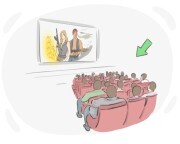
movie [名詞]
اجرا کردن

映画

Ex: He watched a scary movie and got scared during the suspenseful scenes .

彼は怖い映画を見て、サスペンスフルなシーンで怖くなった。

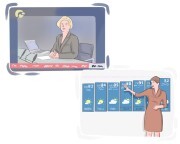
show [名詞]
اجرا کردن

番組

Ex: " Friends " is a popular sitcom that became a classic TV show .

「フレンズ」は、古典的なテレビ番組となった人気のシチュエーションコメディです。

experience [名詞]
اجرا کردن

経験

Ex: Her years of experience as a chef have made her an expert in the kitchen .

シェフとしての彼女の何年もの経験が、彼女をキッチンのエキスパートにしました。
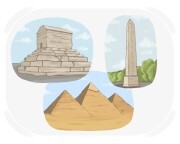
history [名詞]
اجرا کردن

歴史

Ex: Studying history helps us understand the events that have shaped our world and influenced contemporary society .

歴史を学ぶことは、私たちの世界を形作り、現代社会に影響を与えた出来事を理解するのに役立ちます。

piece [名詞]
اجرا کردن

破片

Ex: He carefully sorted through the pieces of wood to find the perfect ones for his project .

彼はプロジェクトに最適な木の破片を見つけるために注意深く選別しました。

type [名詞]
اجرا کردن

タイプ

Ex: As a teacher , it 's essential to understand the learning preferences of different types of students .

教師として、異なるタイプの生徒の学習嗜好を理解することが不可欠です。

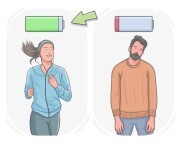
energy [名詞]
اجرا کردن

エネルギー

Ex: After studying all night , he had no energy left for the exam .

一晩中勉強した後、彼は試験を受けるためのエネルギーが残っていなかった。

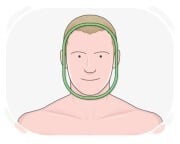
face [名詞]
اجرا کردن

Ex: He gently washed his face with warm water and soap .

彼は温かい水と石鹸で優しくを洗った。

house [名詞]
اجرا کردن

Ex: She invited her friends over to her house for a birthday party .

彼女は誕生日パーティーのために友達をに招待しました。

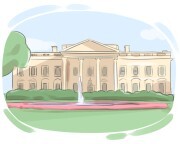
government [名詞]
اجرا کردن

政府

Ex: The government implemented new policies to improve the country 's healthcare system and make it more accessible to all citizens .

政府は、国の医療制度を改善し、すべての市民にとってよりアクセスしやすくするために新しい政策を実施しました。
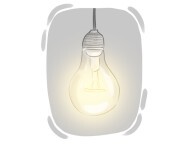
light [名詞]
اجرا کردن

Ex: The room was filled with bright light from the lamp .

部屋はランプからの明るいでいっぱいでした。

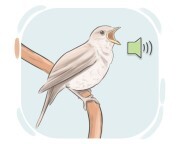
sound [名詞]
اجرا کردن

Ex: The sound of birds chirping greeted us as we entered the park .

公園に入ると、鳥のさえずるが私たちを迎えてくれた。

city [名詞]
اجرا کردن

都市

Ex: She enjoys exploring the city 's parks and landmarks on weekends .

彼女は週末に都市の公園やランドマークを探索するのが好きです。

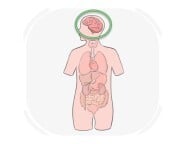
brain [名詞]
اجرا کردن

Ex: He suffered a traumatic brain injury in a car accident .

彼は車の事故で外傷性損傷を負った。

health [名詞]
اجرا کردن

健康

Ex: Regular exercise and a balanced diet are essential for maintaining good health.

定期的な運動とバランスの取れた食事は、良好な健康を維持するために不可欠です。
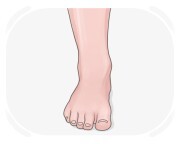
foot [名詞]
اجرا کردن

Ex: He traced patterns in the sand with his foot , leaving temporary imprints .

彼は砂の上で自分ので模様を描き、一時的な跡を残した。

audience [名詞]
اجرا کردن

観客

Ex: He was nervous to speak in front of a large audience .

彼は大勢の観客の前で話すことに緊張していた。

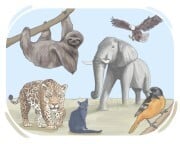
animal [名詞]
اجرا کردن

動物

Ex: Birds are animals that can fly and build nests in trees .

鳥は飛ぶことができ、木に巣を作ることができる動物です。