pattern

本 Headway - 初中級 - 日常英語(ユニット11)

ここでは、Headway Pre-IntermediateコースブックのEveryday English Unit 11からの語彙を見つけることができます。例えば「bridesmaid」、「shame」、「cope」などです。

レビュー

フラッシュカード

語形

綴り

クイズ

学習を開始
Headway - Pre-intermediate
to call
to call
[動詞]

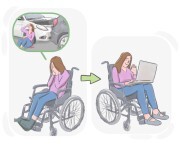
to give a name or title to someone or something

呼ぶ, 名付ける
呼ぶ, 名付ける

Ex: We decided to call our new puppy Max. 
to weigh
to weigh
[動詞]

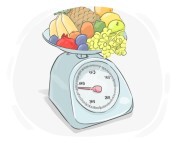
to measure how heavy someone or something is

体重を量る,  重さを計る
体重を量る, 重さを計る

Ex: The nurse weighed the baby during the appointment. 
engaged
engaged
[形容詞]

having formally agreed to marry someone

婚約した

婚約した

Ex: The engaged couple spent months planning their wedding. 

婚約したカップルは結婚式の計画に何ヶ月も費やしました。

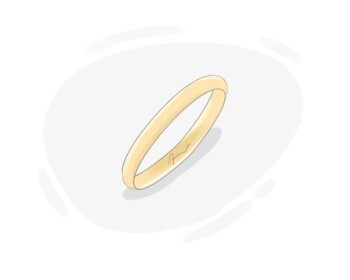
ring
ring
[名詞]

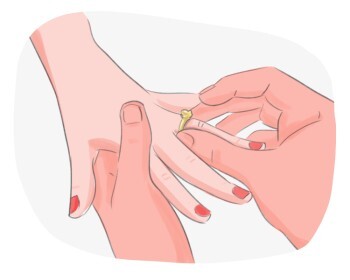
a small, round band of metal such as gold, silver, etc. that we wear on our finger, and is often decorated with precious stones

指輪, リング

指輪, リング

Ex: She received a sparkling diamond ring as an engagement gift. 
wedding
wedding
[名詞]

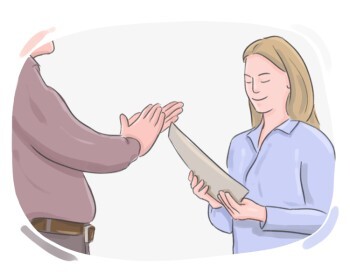
a ceremony or event where two people are married

結婚式, 婚礼
結婚式, 婚礼

Ex: After the wedding, the couple left for their honeymoon in Italy. 
congratulations

an expression of joy or approval offered to someone to acknowledge their achievement, success, or good fortune

おめでとう, 祝辞

おめでとう, 祝辞

Ex: She received many congratulations on her promotion. 

彼女は昇進について多くのお祝いを受けました。

bridesmaid
bridesmaid
[名詞]

a woman or girl chosen by a bride to help her at her wedding

ブライズメイド, 花嫁付き添い人

ブライズメイド, 花嫁付き添い人

Ex: The bridesmaids assisted the bride with selecting her wedding dress and coordinating their own outfits to match the wedding theme. 

ブライズメイドは、花嫁がウェディングドレスを選ぶのを手伝い、結婚式のテーマに合わせて自分たちの衣装をコーディネートしました。
to have
to have
[動詞]

to give birth to a baby

出産する, 生む

出産する, 生む

Ex: The rescue dog had puppies just a few weeks after adoption. 
together
together
[副詞]

in the company of or in proximity to another person or people

一緒に, と

一緒に, と

Ex: We walked together through the quiet streets. 

私たちは静かな通りを一緒に歩いた。

to split up
to split up
[動詞]

to end a romantic relationship or marriage

別れる,  離婚する

別れる, 離婚する

Ex: They tried to make it work, but eventually, they had to split up to find happiness independently. 

彼らはそれをうまくいくように試みたが、結局、独立して幸せを見つけるために別れざるを得なかった。
fantastic
fantastic
[形容詞]

extremely amazing and great

素晴らしい, 驚くべき

素晴らしい, 驚くべき

Ex: The fantastic performance of the magician left the audience in awe. 

魔法使いの素晴らしい演技は観客を驚嘆させた。

news
news
[名詞]

reports on recent events that are broadcast or published

ニュース, 報道

ニュース, 報道

Ex: The morning news provided updates on the latest developments in the election. 

朝のニュースは選挙の最新動向についての更新を提供しました。

beautiful
beautiful
[形容詞]

extremely pleasing to the mind or senses

美しい, 素晴らしい

美しい, 素晴らしい

Ex: He painted a beautiful portrait of his sister. 
tough
tough
[形容詞]

difficult to achieve or deal with

難しい, 厳しい
難しい, 厳しい

Ex: Coping with the loss of a loved one can be tough, requiring time and emotional support. 
time
time
[名詞]

the quantity that is measured in seconds, minutes, hours, etc. using a device like clock

時間
時間

Ex: The bus will arrive on time. 
sorry
sorry
[形容詞]

feeling ashamed or apologetic about something that one has or has not done

申し訳ない, 後悔している

申し訳ない, 後悔している

Ex: He's deeply sorry for the hurtful words he said during the argument. 
to hear
to hear
[動詞]

to be told or receive information or news regarding something

聞く, 知る

聞く, 知る

Ex: She was excited to hear about her promotion from her manager. 
well
well
[副詞]

in a way that is right or satisfactory

よく, 正しく

よく, 正しく

Ex: The speech was delivered well, capturing the audience's attention. 
shame
shame
[名詞]

a painful feeling of embarrassment, guilt, or humiliation caused by one's own or another person's actions or circumstances

恥,  羞恥

恥, 羞恥

Ex: He felt deep shame after realizing how badly he had behaved. 
fond
fond
[形容詞]

having a strong liking, preference, or affection for something or someone

好きな, 愛好している
好きな, 愛好している

Ex: She is very fond of chocolate and eats it every day. 
lovely
lovely
[形容詞]

delightful or pleasurable in experience or quality

素敵な, 楽しい

素敵な, 楽しい

Ex: We had a lovely time at the park this afternoon. 
memory
memory
[名詞]

the ability of mind to keep and remember past events, people, experiences, etc.

記憶, 思い出

記憶, 思い出

Ex: She has a great memory for faces. 
to get on
to get on
[動詞]

to have a good, friendly, or smooth relationship with a person, group, or animal

人とうまくやっていく, 人や集団や動物と良好な関係を保つ

人とうまくやっていく, 人や集団や動物と良好な関係を保つ

Ex: She gets on well with her coworkers, and they often socialize outside of work. 

彼女は同僚とうまくやっていて、仕事の外でもよく交流しています。

to cope
to cope
[動詞]

to handle a difficult situation and deal with it successfully

対処する, 乗り越える

対処する, 乗り越える

Ex: Patients coping with chronic illnesses develop resilience to maintain a high quality of life. 
LanGeek
LanGeekアプリをダウンロード