
本 Summit 2B - ユニット10 - レッスン1
ここでは、Summit 2B教科書のユニット10 - レッスン1からの語彙が見つかります。例えば、「解雇する」、「引き起こす」、「病気になる」などです。
レビュー
フラッシュカード
語形
綴り
クイズ

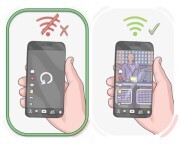
problems or difficulties that arise, especially in relation to a service or facility, which require resolution or attention

問題, 困難
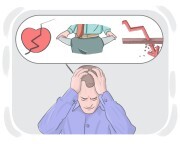
something that causes difficulties and is hard to overcome
問題, 困難
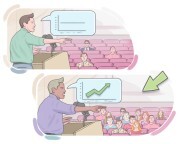
to be the reason for a specific incident or result
引き起こす, もたらす
交渉は紛争の解決をもたらした。
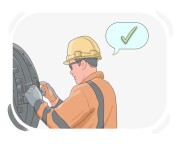
to complete or conduct a task, job, etc.
実行する, 作業や任務を遂行する
研究チームは仮説を検証しデータを収集するために実験を実施します。

to start experiencing symptoms of an illness
病気の症状が出始める, 病気になる
彼女はひどい風邪をひいて、仕事を休まなければならなかった。

to create something, usually an idea, a solution, or a plan, through one's own efforts or thinking
提案する, 考案する
遅刻した理由として良い言い訳を考え出さなければならない。
![to [go|do] without {sb/sth}](https://cdn.langeek.co/photo/44354/thumb/350?type=jpeg "to [go|do] without {sb/sth}")
to manage or function without someone or something that is typically needed or desired
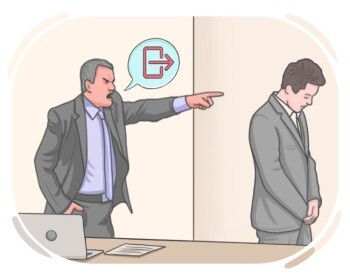
to dismiss employees due to financial difficulties or reduced workload
経営上の理由で従業員を解雇する, 仕事量減少のため人員整理する
会社は財政的な損失により、従業員の10%を解雇しました。
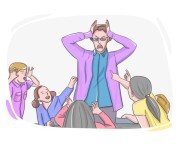
to tolerate something or someone unpleasant, often without complaining
我慢する, 耐える
親は、子供たちがもたらす喜びのために、幼い子供の散らかりをよく我慢します。

to use the available supply of something, leaving too little or none
尽きる, なくなる
レストランは予期せず人気料理を売り切れました。

to entirely remove something
完全に消し去る, 消し去る
シェフは消臭スプレーで、台所から焦げた臭いを完全に取り除いた。
| 本 Summit 2B | |||
|---|---|---|---|
| ユニット6 - プレビュー | ユニット6 - レッスン4 | ユニット7 - レッスン4 | ユニット8 - レッスン1 |
| ユニット8 - レッスン4 | ユニット9 - レッスン2 | ユニット9 - レッスン4 | ユニット10 - レッスン1 |
