pattern

本 Solutions - 初歩 - ユニット8 - 8E

ここでは、Solutions Elementaryコースブックのユニット8 - 8Eからの語彙を見つけることができます。例えば、「整理する」、「ホームシック」、「議論する」などです。

レビュー

フラッシュカード

語形

綴り

クイズ

学習を開始
Solutions - Elementary
to accommodate

to provide someone with a place to live or stay

収容する

収容する

Ex: The hotel can accommodate more than three hundred guests. 
to achieve
to achieve
[動詞]

to finally accomplish a desired goal after dealing with many difficulties

達成する, 成し遂げる

達成する, 成し遂げる

Ex: The community worked together to achieve their goal of building a new playground for the children, overcoming financial and logistical obstacles. 
dark
dark
[形容詞]

having very little or no light

暗い, 闇の

暗い, 闇の

Ex: The dark night made the stars shine brighter. 
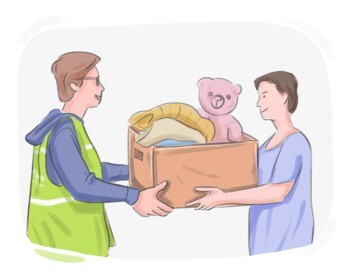
to donate
to donate
[動詞]

to freely give goods, money, or food to someone or an organization

寄付する, ドネーションする

寄付する, ドネーションする

Ex: Individuals often donate clothing to local shelters during the winter months. 

個人は冬の間、よく地元のシェルターに衣類を寄付します。

homesick
homesick
[形容詞]

feeling sad because of being away from one's home

ホームシックの, 家が恋しい

ホームシックの, 家が恋しい

Ex: She felt homesick after spending only a week away at college. 

彼女は大学でたった1週間家を離れて過ごした後、ホームシックを感じた。

to permit
to permit
[動詞]

to allow something or someone to do something

許可する, 許す

許可する, 許す

Ex: The teacher permits students to use calculators during the exam. 
to prepare
to prepare
[動詞]

to make a person or thing ready for doing something

準備する, 整える
準備する, 整える

Ex: They prepare their backpacks with all the necessary supplies for school. 
to treat
to treat
[動詞]

to deal with or behave toward someone or something in a particular way

扱う, 接する

扱う, 接する

Ex: She always treats her friends with kindness and respect. 
to arrange
to arrange
[動詞]

to organize items in a specific order to make them more convenient, accessible, or understandable

整理する, 配置する

整理する, 配置する

Ex: Can you please arrange the files in chronological order? 
arrangement
arrangement
[名詞]

a mutual understanding or agreement established between people

取り決め, 合意

取り決め, 合意

Ex: She reached an arrangement with her coworker to split the tasks. 
to converse
to converse
[動詞]

to engage in a conversation with someone

会話する,  話す

会話する, 話す

Ex: During the event, people gathered to converse about various topics of interest. 

イベント中、人々はさまざまな興味深いトピックについて話し合うために集まりました。

conversation
conversation
[名詞]

a talk that is between two or more people and they tell each other about different things like feelings, ideas, and thoughts

会話,  対話

会話, 対話

Ex: The conversation drifted from politics to sports. 
to describe
to describe
[動詞]

to give details about someone or something to say what they are like

描写する, 述べる

描写する, 述べる

Ex: The guide described the historical significance of the ancient ruins. 
description
description
[名詞]

a written or oral piece intended to give a mental image of something

説明

説明

Ex: Her description of the event was both detailed and engaging. 
sad
sad
[形容詞]

emotionally bad or unhappy

悲しい,哀れな, feeling bad or unhappy

悲しい,哀れな, feeling bad or unhappy

Ex: He was sad because he didn't receive the gift he wanted. 
sadness
sadness
[名詞]

the feeling of being sad and not happy

悲しみ

悲しみ

Ex: She couldn't hide the sadness in her eyes after hearing the news of her grandmother's passing. 

祖母の死の知らせを聞いた後、彼女は目に悲しみを隠せなかった。

happy
happy
[形容詞]

emotionally feeling good or glad

幸せ,嬉しい, feeling good or glad

幸せ,嬉しい, feeling good or glad

Ex: They felt happy and excited about their upcoming vacation. 
happiness
happiness
[名詞]

the feeling or state of being happy

幸せ

幸せ

Ex: Emma smiled with happiness when she saw her family waiting for her. 
to advertise
to advertise
[動詞]

to make a product, service, event, job, or other offering publicly known in order to attract interest

宣伝する,  広告する

宣伝する, 広告する

Ex: The company advertises its products on television and social media. 
advertisement

a public notice, image, video, or other message intended to promote a product, service, event, job, or similar offering
Ex: I saw an advertisement for the new restaurant on my phone. 
rude
rude
[形容詞]

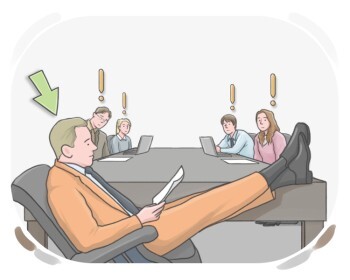
(of a person) having no respect for other people

失礼な, 無礼な

失礼な, 無礼な

Ex: Anna is so rude, she always interrupts when others are speaking. 

アンナはとても失礼で、他の人が話しているときにいつも割り込んできます。

rudeness
rudeness
[名詞]

the quality of being impolite, ill-mannered, or discourteous in behavior or speech

無礼, 失礼

無礼, 失礼

Ex: His rudeness towards the staff was evident when he didn't say thank you. 

スタッフに対する彼の無礼さは、ありがとうと言わなかったときに明らかだった。

to inform
to inform
[動詞]

to give information about someone or something, especially in an official manner

知らせる, 通知する

知らせる, 通知する

Ex: The sign in the park informs visitors about the rules and regulations for maintaining a clean environment. 
information
information
[名詞]

facts or knowledge related to a thing or person

情報, 知識

情報, 知識

Ex: She shared important information about the upcoming event. 

彼女は今後のイベントについて重要な情報を共有しました。

to suggest
to suggest
[動詞]

to mention an idea, proposition, plan, etc. for further consideration or possible action

提案する,  勧める

提案する, 勧める

Ex: She suggested a new approach to solving the problem. 
suggestion
suggestion
[名詞]

the act of putting an idea or plan forward for someone to think about

提案,  示唆
提案, 示唆

Ex: After listening to everyone's suggestions, they finally agreed on a restaurant for dinner. 
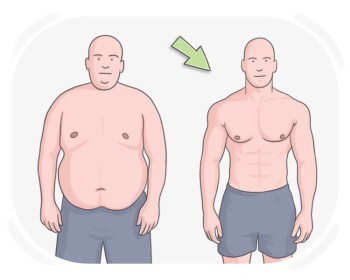
fit
fit
[形容詞]

healthy and strong, especially due to regular physical exercise or balanced diet

フィット, 健康的な

フィット, 健康的な

Ex: Doctors often recommend regular exercise and a healthy diet to stay fit and prevent illness. 
fitness
fitness
[名詞]

the condition of being physically healthy, strong, and able to perform physical activity

Ex: Regular exercise can improve your fitness. 
to argue
to argue
[動詞]

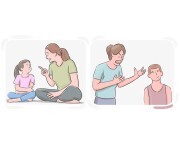
to speak to someone often angrily because one disagrees with them

言い争う, 口論する

言い争う, 口論する

Ex: I hate to argue with my parents, but this time they were wrong. 
argument
argument
[名詞]

a discussion, typically a serious one, between two or more people with different views

議論, 討論

議論, 討論

Ex: Their constant arguments are causing problems in the relationship. 
to discuss
to discuss
[動詞]

to talk about something with someone, often in a formal manner

議論する, 話し合う

議論する, 話し合う

Ex: The manager discussed the sales targets with the staff. 
discussion
discussion
[名詞]

a conversation with someone about a serious subject

議論,  討論

議論, 討論

Ex: The book club's discussion focused on the themes of the novel. 
to explain
to explain
[動詞]

to make something clear and easy to understand by giving more information about it

説明する, 解説する

説明する, 解説する

Ex: He struggled to explain his ideas clearly to the team. 
explanation
explanation
[名詞]

information or details that are given to make something clear or easier to understand

説明, 解説

説明, 解説

Ex: They requested an explanation for the delay in the project. 
to help
to help
[動詞]

to give someone what they need

助ける, 手伝う

助ける, 手伝う

Ex: They helped the elderly man cross the street. 
to raise
to raise
[動詞]

to make the intensity, level, or amount of something increase

増やす, 上げる

増やす, 上げる

Ex: The government raises taxes to fund public services. 
money
money
[名詞]

something that we use to buy and sell goods and services, can be in the form of coins or paper bills

お金, 通貨

お金, 通貨

Ex: She donated money to a charity to help those in need. 
to support
to support
[動詞]

to provide financial or material assistance

支援する, 資金を提供する

支援する, 資金を提供する

Ex: The charity aims to support underprivileged children with school supplies. 
charity
charity
[名詞]

an organization that helps those in need by giving them money, food, etc.

慈善, 慈善団体

慈善, 慈善団体

Ex: He volunteers at a local charity that distributes food to the needy. 
to [take] part

to participate in something, such as an event or activity

Ex: He was excited to take part in the debate competition and showcase his public speaking skills. 
to organize
to organize
[動詞]

to put things into a particular order or structure

整理する, 組織する

整理する, 組織する

Ex: She organized her closet by color, making it easier to find clothes in the morning. 
LanGeek
LanGeekアプリをダウンロード