pattern

本 Insight - 中上級 - 語彙の洞察 9

ここでは、Insight Upper-IntermediateコースブックのVocabulary Insight 9からの単語、例えば「未成年」、「細かく」、「ささやき」などを見つけることができます。

レビュー

フラッシュカード

綴り

クイズ
学習を開始
Insight - Upper-intermediate
hard
hard
[形容詞]

needing a lot of skill or effort to do

難しい, 困難な
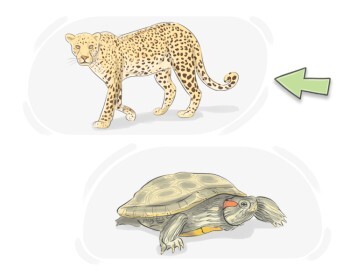
難しい, 困難な

Ex: Performing surgery is hard and requires precise skills and years of medical training. 
fast
fast
[形容詞]

having a high speed when doing something, especially moving

速い, 迅速な

速い, 迅速な

Ex: The express train provided a fast and efficient way for commuters to reach the city. 
straight
straight
[副詞]

without any detour or diversion

まっすぐに、直接に
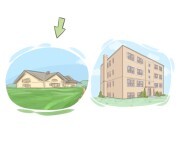
まっすぐに、直接に

Ex: The children ran straight outside when the bell rang. 
low
low
[形容詞]

not extending far upward

低い, 高くない

低い, 高くない

Ex: She ducked under the low doorway. 
high
high
[形容詞]

having a value or level greater than usual or expected, often in terms of numbers or measurements

高い, 高めの

高い, 高めの

Ex: The region experienced high temperatures this summer. 
highly
highly
[副詞]

in a favorable or approving manner

非常に, 大変

非常に, 大変

Ex: He was highly regarded by his peers for his honesty and leadership. 

彼は正直さとリーダーシップで同僚から高く評価されていた。

fine
fine
[形容詞]

feeling well or in good health

元気,健康で, feeling OK or good
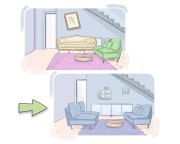
元気,健康で, feeling OK or good

Ex: The doctor examined her and said she was fine. 
finely
finely
[副詞]

in a highly skilled or excellent manner

繊細に, 巧みに

繊細に, 巧みに

Ex: The novel was finely written, with each scene perfectly balanced. 

その小説は繊細に書かれており、各シーンが完璧にバランス取れていた。

late
late
[形容詞]

doing or happening after the time that is usual or expected

遅れた, 遅い
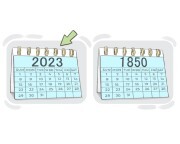
遅れた, 遅い

Ex: I'm late for the meeting. 
lately
lately
[副詞]

in the recent period of time

最近, このごろ

最近, このごろ

Ex: I've been feeling tired lately. 

最近疲れを感じています。

wide
wide
[形容詞]

having a large length from side to side

広い, 幅広い
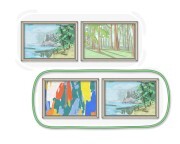
広い, 幅広い

Ex: The river was over 30 feet wide at its widest point, making it a challenge to cross without a bridge. 
widely
widely
[副詞]

to a great extent or amount, especially when emphasizing significant variation or diversity

広く, 大きく

広く, 大きく

Ex: Standards vary widely in different regions. 

基準は地域によって大きく異なります。

near
near
[形容詞]

not far from a place

近い, 隣接した

近い, 隣接した

Ex: She moved to the near city to be closer to her workplace. 
nearly
nearly
[副詞]

to a degree that is close to being complete

ほぼ, ほとんど

ほぼ, ほとんど

Ex: I’ve nearly finished reading that book you lent me. 

あなたが貸してくれた本をほぼ読み終えました。

right
right
[形容詞]

based on facts or the truth

正しい, 公正な

正しい, 公正な

Ex: The historian provided the right historical context for the event. 
rightly
rightly
[副詞]

in a correct or accurate way

正しく, 当然

正しく, 当然

Ex: If I recall rightly, the meeting starts at 10:30, not 11. 

私が正しく覚えていれば、会議は11時ではなく10時30分に始まります。

free
free
[形容詞]

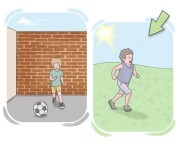
having no particular plans or tasks

自由な, 暇な
自由な, 暇な

Ex: The empty calendar on her phone signaled a rare opportunity to have a free day with no appointments or obligations. 
freely
freely
[副詞]

without being controlled or limited by others

自由に, 制限なく

自由に, 制限なく

Ex: After retirement, she traveled freely across Europe without a fixed itinerary. 

退職後、彼女は固定された旅程なしでヨーロッパを自由に旅しました。

cord
cord
[名詞]

a flexible, insulated wire that carries electricity for household devices

コード, 電線

コード, 電線

Ex: She untangled the cord before plugging in the lamp. 

彼女はランプを差し込む前にコードを解いた。

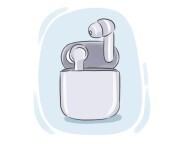
earbuds
earbuds
[名詞]

a very small device that we put on the opening outside of our ear canals to listen to music or sounds without others listening

イヤーバッド, イヤホン

イヤーバッド, イヤホン

Ex: She plugged in her earbuds to listen to music on the train. 

彼女は電車で音楽を聴くためにイヤーバッドを挿した。

early adopter

a person or group who is among the first to embrace and use a new product, technology, or innovation

早期採用者, 先駆者

早期採用者, 先駆者

Ex: As an early adopter, he bought the first model of the smartphone. 

early adopterとして、彼はスマートフォンの最初のモデルを購入しました。

headset
headset
[名詞]

a device worn on the head that combines a headphone and microphone for listening and speaking

ヘッドセット, マイク付きヘッドホン

ヘッドセット, マイク付きヘッドホン

Ex: He wore a headset to join the video call. 

彼はビデオ通話に参加するためにヘッドセットを着用しました。

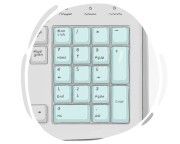
keypad
keypad
[名詞]

a group of numbered buttons on a surface used for operating a TV, phone, computer, etc.

キーパッド, 数字パッド

キーパッド, 数字パッド

Ex: The security system required a passcode to be entered on the keypad before granting access. 

セキュリティシステムは、アクセスを許可する前にキーパッドにパスコードを入力する必要がありました。

to emerge
to emerge
[動詞]

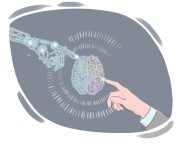
to become apparent after a period of development, transformation, or investigation

現れる, 浮上する
現れる, 浮上する

Ex: As the investigation progressed, new evidence began to emerge, shedding light on the mystery. 
technology
technology
[名詞]

the application of scientific knowledge for practical purposes, especially in industry

技術, テクノロジー

技術, テクノロジー

Ex: The impact of technology on daily life is undeniable. 
handset
handset
[名詞]

the part of the phone held to the ear through which one can listen and speak

受話器, 電話機

受話器, 電話機

Ex: She picked up the handset to answer the incoming call. 

彼女は着信に応答するために受話器を取り上げた。

start-up
start-up
[名詞]

a newly established company or business venture, typically characterized by its innovative approach, early-stage development, and a focus on growth

スタートアップ, 新興企業

スタートアップ, 新興企業

Ex: He launched a tech start-up with his friends. 
tech
tech
[名詞]

a type of educational institution that provides training and education in practical skills and applied sciences

工業学校, 工科大学

工業学校, 工科大学

Ex: He studied engineering at a local tech. 

彼は地元の工業専門学校で工学を学びました。

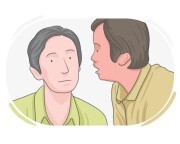
to murmur
to murmur
[動詞]

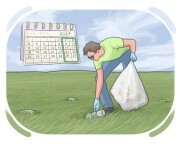
to speak or say something in a very quiet, low voice

つぶやく
つぶやく

Ex: Emily murmured a few words of encouragement to her son. 
to dedicate
to dedicate
[動詞]

to devote significant time, effort, or resources to a particular purpose, activity, or person

捧げる,  専念する

捧げる, 専念する

Ex: Sarah dedicated her life to helping children with disabilities. 
sink
sink
[名詞]

a mechanism or process that absorbs, removes, or stores energy, matter, or a substance from a system

吸収源, 貯蔵庫
吸収源, 貯蔵庫

Ex: Forests act as natural sinks for greenhouse gases. 
to launch
to launch
[動詞]

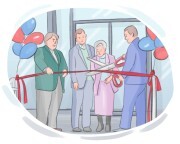
to start an organized activity or operation

開始する, 立ち上げる

開始する, 立ち上げる

Ex: They plan to launch a marketing campaign to promote the event. 
under attack

as a target of an attack or hostile criticism

Ex: The city was under attack by enemy forces. 
under {one's} belt

used for saying that someone has succeeded in, obtained, or experienced something

Ex: With years of experience under his belt, he applied for the job. 
under control

used to describe a situation in which someone or something is being managed or regulated in an effective and appropriate way
Ex: The situation was finally under control after the intervention. 
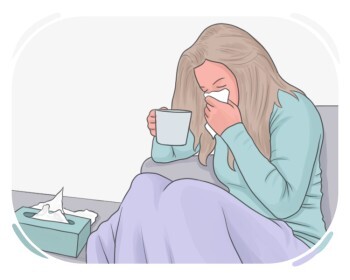
under the weather

feeling unwell or slightly ill

体調不良, 気分が優れない

体調不良, 気分が優れない

Ex: I'm feeling a bit under the weather today, so I'll stay home. 

今日は少し体調不良なので、家にいます。

under the radar

in a way that goes unnoticed or avoids attracting any attention

目立たずに, 静かに

目立たずに, 静かに

Ex: The project was kept under the radar for months. 

そのプロジェクトは何ヶ月も目立たずに進められた。

under pressure

stressful or anxious due to having too many tasks or responsibilities to handle within a limited time

Ex: She was under pressure to finish the project by the end of the week. 
under scrutiny

under careful and critical observation, often with a high level of attention to details
Ex: His actions came under scrutiny after the incident. 
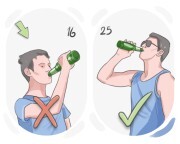
underage
underage
[形容詞]

not old enough to legally engage in certain activities such as drinking or getting a driver's license

未成年, 年齢が足りない

未成年, 年齢が足りない

Ex: He was caught attempting to purchase alcohol despite being underage. 

彼は未成年にもかかわらず、アルコールを購入しようとして捕まった。

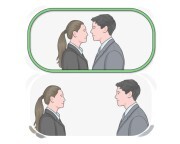
close
close
[形容詞]

near in distance

近い, 隣接した

近い, 隣接した

Ex: The close spacing of the chairs in the auditorium made it feel cramped. 
closely
closely
[副詞]

without having a lot of space or time in between

密接に、近くに

密接に、近くに

Ex: The cars on the highway were moving closely, creating a slow but steady flow. 

高速道路の車は密接に移動しており、遅いが安定した流れを作り出していました。

just
just
[形容詞]

acting in a way that is fair, righteous, and morally correct

公正な, 正しい

公正な, 正しい

Ex: A just ruler treats all citizens equally. 

公正な支配者はすべての市民を平等に扱う。

justly
justly
[副詞]

in accordance with justice or moral rightness

正当に, 公正に

正当に, 公正に

Ex: The judge ruled justly, considering all evidence before making a decision. 

裁判官は、決定を下す前にすべての証拠を考慮して、公正に判決を下しました。

fair
fair
[形容詞]

treating everyone equally and in a right or acceptable way

公平な, 公正な

公平な, 公正な

Ex: They reached a fair agreement that benefited both sides equally. 
fairly
fairly
[副詞]

in a manner that is free from bias, favoritism, or injustice

公平に, 公正に

公平に, 公正に

Ex: The teacher graded the exams fairly. 

先生は試験を公平に採点しました。

LanGeek
LanGeekアプリをダウンロード