pattern

本 Interchange - 初中級 - ユニット14 - パート2

ここでは、Interchange Pre-Intermediateコースブックのユニット14 - パート2からの語彙を見つけることができます。"特に"、"オークション"、"マイル"など。

レビュー

フラッシュカード

綴り

クイズ
学習を開始
Interchange - Pre-intermediate
most
most
[限定詞]

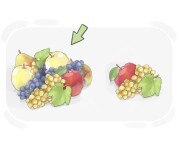
used to indicate the greatest quantity or degree

大部分, 最も

大部分, 最も

Ex: He spent the most time on the project compared to his colleagues. 

彼は同僚と比べてプロジェクトに最も多くの時間を費やしました。

especially
especially
[副詞]

used for showing that what you are saying is more closely related to a specific thing or person than others

特に, とりわけ

特に, とりわけ

Ex: She loves outdoor activities, especially hiking in the mountains. 

彼女はアウトドア活動が好きで、特に山でのハイキングが好きです。

to stand
to stand
[動詞]

to be willing to accept or tolerate a difficult situation

耐える, 我慢する

耐える, 我慢する

Ex: As a parent, you learn to stand the occasional chaos and mess that comes with having young children. 

親として、小さな子供を持つことについてくる時折の混乱や散らかりを我慢することを学びます。

to enjoy
to enjoy
[動詞]

to take pleasure or find happiness in something or someone

楽しむ, 好む
楽しむ, 好む

Ex: We enjoyed the movie so much that we watched it twice. 

私たちはその映画をとても楽しんだので、2回見ました。

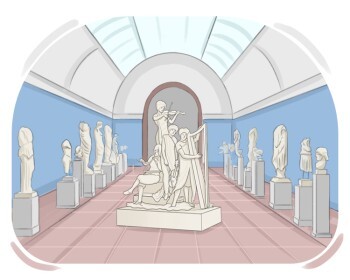
museum
museum
[名詞]

a place where important cultural, artistic, historical, or scientific objects are kept and shown to the public

博物館

博物館

Ex: He marveled at the dinosaur skeletons in the natural history museum. 

彼は自然史博物館の恐竜の骨格に驚嘆した。

local
local
[形容詞]

related or belonging to a particular area or place that someone lives in or mentions

地元の, 地域の

地元の, 地域の

Ex: The local community center offers various programs and activities for residents. 

地元のコミュニティセンターは、住民向けにさまざまなプログラムや活動を提供しています。

boring
boring
[形容詞]

making us feel tired and unsatisfied because of not being interesting

退屈な, うんざりする
退屈な, うんざりする

Ex: She finds doing the laundry a boring task. 

彼女は洗濯をすることを退屈な作業だと思っている。

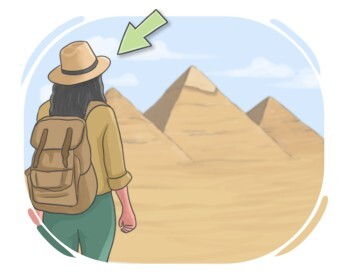
tourist
tourist
[名詞]

someone who visits a place or travels to different places for pleasure

観光客, 訪問者

観光客, 訪問者

Ex: As a tourist in Paris, she made sure to visit the Louvre Museum. 

パリの観光客として、彼女はルーブル美術館を訪れることを確実にしました。

surprising
surprising
[形容詞]

causing a feeling of shock, disbelief, or wonder

驚くべき, 意外な

驚くべき, 意外な

Ex: The ending of the movie was really surprising. 

その映画の結末は本当に驚くべきものだった。

fact
fact
[名詞]

something that is known to be true or real, especially when it can be proved

事実, 現実
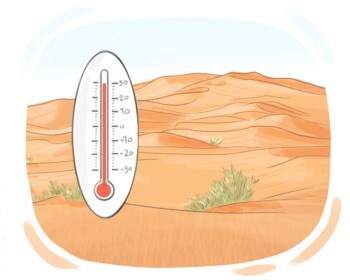
事実, 現実

Ex: The scientist presented evidence to support the fact of climate change. 

科学者は、気候変動の事実を支持する証拠を提示しました。

hot
hot
[形容詞]

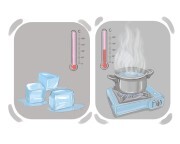
having a higher than normal temperature

熱い, 暑い

熱い, 暑い

Ex: I turned on the air conditioner because it was getting too hot inside. 

中がとても暑くなってきたので、エアコンをつけました。

death
death
[名詞]

the fact or act of dying

死, 死亡

死, 死亡

Ex: Her grandfather's death had a big impact on her. 

彼女の祖父の死は彼女に大きな影響を与えた。

to reach
to reach
[動詞]

to come to a certain level or state, or a specific point in time

達する, 到達する
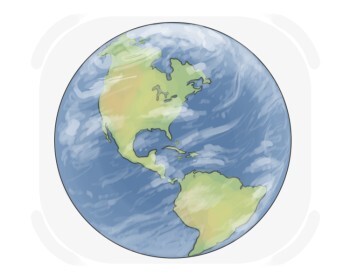
達する, 到達する

Ex: Over half the candidates failed to reach the expected standard. 

候補者の半数以上が期待される基準に達しませんでした。

Earth
Earth
[名詞]

a big round mass covered in land and water, on which we all live

地球, 惑星地球
地球, 惑星地球

Ex: The Earth has diverse ecosystems, ranging from forests to deserts. 

地球には、森林から砂漠まで多様な生態系があります。

square
square
[名詞]

an open area in a city or town where two or more streets meet

広場, スクエア
広場, スクエア

Ex: The market was held in the town square. 

市場は町の広場で開催されました。

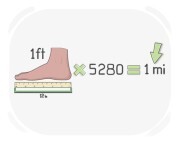
mile
mile
[名詞]

a unit of measuring length equal to 1.6 kilometers or 1760 yards

マイル, 海里
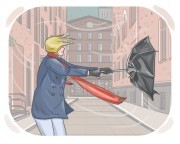
マイル, 海里

Ex: The racecourse is a mile in circumference. 

競馬場の周囲は1マイルです。

windy
windy
[形容詞]

having a lot of strong winds

風が強い, 風の強い

風が強い, 風の強い

Ex: He had to secure his hat due to the windy conditions. 

風が強い状況のため、彼は帽子を固定しなければならなかった。

continent
continent
[名詞]

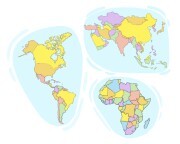
any of the large land masses of the earth surrounded by sea such as Europe, Africa or Asia

大陸

大陸

Ex: Africa is the second-largest continent in the world. 

アフリカは世界で二番目に大きな大陸です。

across
across
[前置詞]

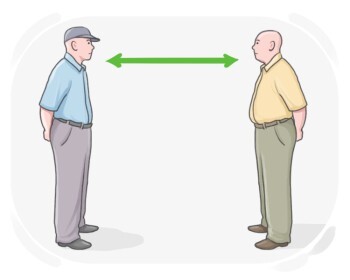
on the opposite side of a given area or location

向こう側に, の向かいに
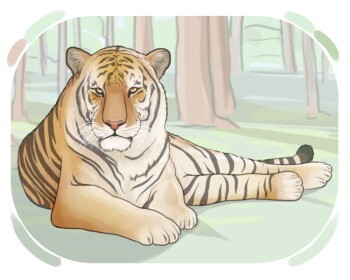
向こう側に, の向かいに

Ex: My friend lives across the road from us. 

私の友達は私たちの向かい側、道路の向こう側に住んでいます。

tiger
tiger
[名詞]

a type of large and wild animal that is from the cat family, has orange fur and black stripes, and is mostly found in Asia

虎, 縞模様の猫
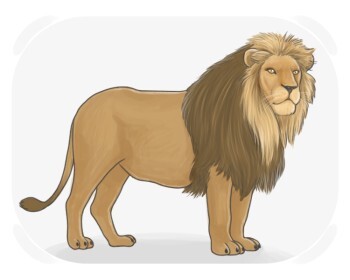
虎, 縞模様の猫

Ex: The tiger's orange and black stripes are distinctive. 

トラのオレンジと黒の縞模様は特徴的です。

lion
lion
[名詞]

a powerful and large animal that is from the cat family and mostly found in Africa, with the male having a large mane

ライオン, 大型猫科動物

ライオン, 大型猫科動物

Ex: The lion's roar sent a message to other animals, warning them to stay away. 

ライオンの咆哮は、他の動物にメッセージを送り、近づかないように警告しました。

pound
pound
[名詞]

a unit for measuring weight equal to 16 ounces or 0.454 kilograms

ポンド

ポンド

Ex: The baby was born weighing seven pounds and eight ounces. 

その赤ちゃんは7ポンド8オンスの体重で生まれました。

auction
auction
[名詞]

a public sale in which goods or properties are sold to the person who bids higher

オークション, 競売

オークション, 競売

Ex: The painting was sold at an auction for a record-breaking price. 

その絵画はオークションで記録的な価格で売却されました。

best-selling
best-selling
[形容詞]

(of a book or other product) sold in large quantities because of gaining significant popularity among people

ベストセラーの、人気の

ベストセラーの、人気の

Ex: She wrote a best-selling novel that topped the charts for months. 

彼女は何ヶ月もチャートのトップを占めたベストセラー小説を書いた。

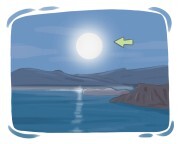
moon
moon
[名詞]

the circular object going around the earth, visible mostly at night

月, 地球の自然衛星
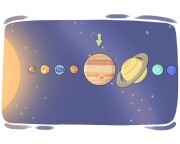
月, 地球の自然衛星

Ex: Can you see the moon peeking out from behind the clouds? 

雲の間から覗いている月が見えますか?

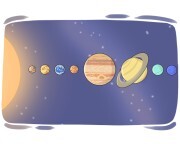
Jupiter
Jupiter
[名詞]

the 5th and the largest planet of the solar system located between Mars and Saturn

木星は、太陽系の5番目で最大の惑星で、火星と土星の間に位置しています。

木星は、太陽系の5番目で最大の惑星で、火星と土星の間に位置しています。

Ex: Jupiter is the fifth planet from the sun in the solar system. 

木星は太陽系で太陽から5番目の惑星です。

object
object
[名詞]

a non-living thing that one can touch or see

物体, 物
物体, 物

Ex: The sculpture in the museum is an ancient object made of marble. 

博物館の彫刻は大理石で作られた古代の物体です。

solar system
solar system
[名詞]

the sun and the group of planets orbiting around it, including the earth

太陽系, 太陽系

太陽系, 太陽系

Ex: Earth is one of eight planets in the solar system. 

地球は太陽系の8つの惑星の1つです。

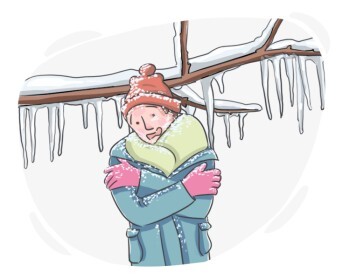
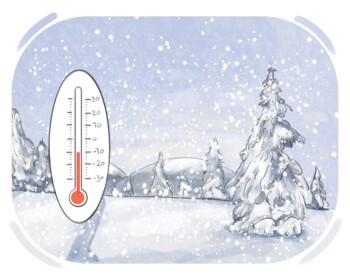
freezing
freezing
[形容詞]

regarding extremely cold temperatures, typically below the freezing point of water

凍るような, 極寒の

凍るような, 極寒の

Ex: He had to wait for the car to heat up before driving in the freezing weather. 

彼は凍えるような天候で運転する前に車が温まるのを待たなければならなかった。

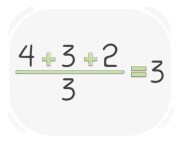
average
average
[形容詞]

calculated by adding a set of numbers together and dividing this amount by the total number of amounts in that set

平均

平均

Ex: The average rainfall in the region is 40 inches per year. 

この地域の平均降雨量は年間40インチです。

degree
degree
[名詞]

a unit of measurement for temperature, angles, or levels of intensity, such as Celsius degrees or a degree of pain

度, 温度の度

度, 温度の度

Ex: The compass needle pointed towards 270 degrees, indicating west. 

コンパスの針は270度を指し、西を示していました。

minus
minus
[形容詞]

below zero

マイナス, 零下

マイナス, 零下

Ex: The temperature dropped to minus five degrees overnight. 

夜の間に気温がマイナス五度まで下がりました。

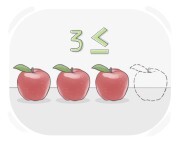
at least
at least
[副詞]

in a manner that conveys the minimum amount or number needed

少なくとも, 最低でも

少なくとも, 最低でも

Ex: You must have at least $50 to open a bank account. 

銀行口座を開設するには、少なくとも50ドルが必要です。

cold
cold
[形容詞]

having a temperature lower than the human body's average temperature

冷たい, 氷のように冷たい

冷たい, 氷のように冷たい

Ex: I prefer to drink cold water on a hot day. 

暑い日には冷たい水を飲むのが好きです。

favorite
favorite
[形容詞]

liked or preferred the most among the rest that are from the same category

お気に入りの, 好きな

お気に入りの, 好きな

Ex: His favorite hobby is playing guitar in his free time. 

彼のお気に入りの趣味は、暇なときにギターを弾くことです。

LanGeek
LanGeekアプリをダウンロード