pattern

本 Interchange - 中級 - ユニット2 - パート2

ここでは、Interchange Intermediateコースブックのユニット2 - パート2からの語彙を見つけることができます。例えば「住宅」、「間接的」、「稼ぐ」などです。

復習

フラッシュカード

綴り

クイズ
学習を開始
Interchange - Intermediate
guide
guide
[名詞]

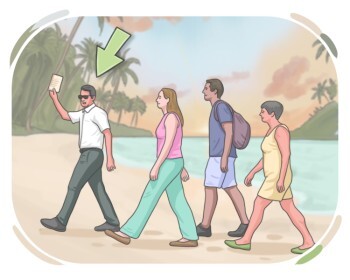
a person whose job is to take tourists to interesting places and show them around

ガイド,案内人

ガイド,案内人

Ex: The guide at the art gallery provided insightful commentary on the artworks. 

美術館のガイドは、美術作品について洞察に富んだ解説を提供しました。

across
across
[前置詞]

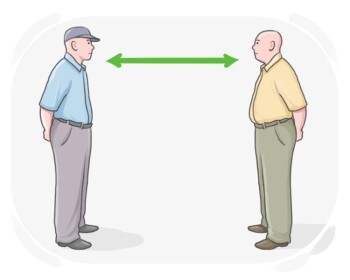
on the opposite side of something

on the opposite side of something

on the opposite side of something

Ex: My friend lives across the road from us. 
sign
sign
[名詞]

a symbol or letters used in math, music, or other subjects to show an instruction, idea, etc.

記号,符号

記号,符号

Ex: Musical notation uses signs such as sharps (♯) and flats (♭) to indicate alterations in pitch. 

音楽の記譜法は、シャープ(♯)やフラット(♭)などの記号を使用して、音高の変化を示します。
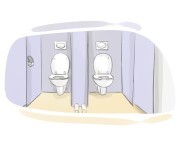
restroom
restroom
[名詞]

a room in a public place with a toilet in it

トイレ,お手洗い

トイレ,お手洗い

Ex: He asked the waiter where the restroom was located. 

彼はウエイターにトイレがどこにあるか尋ねた。

where
where
[副詞]

in what place, situation, or position

どこ,どのような状況で

どこ,どのような状況で

Ex: Do you know where I can find a good restaurant? 

いいレストランがどこにあるか知っていますか?

indirect
indirect
[形容詞]

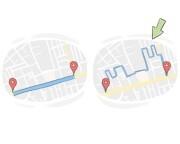
not going in a straight line or the shortest way

間接的な,回りくどい

間接的な,回りくどい

Ex: Taking the scenic route was enjoyable but more indirect than the highway. 

景色の良いルートを取るのは楽しかったが、高速道路よりもより遠回りだった。

natural
natural
[形容詞]

originating from or created by nature, not made or caused by humans

自然の,天然の

自然の,天然の

Ex: She prefers using natural ingredients in her skincare products to avoid harsh chemicals. 

彼女は肌に優しい製品を使うために、スキンケア製品に天然成分を使用することを好みます。
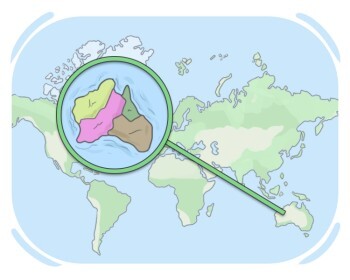
area
area
[名詞]

a particular part or region of a city, country, or the world

地域,区域

地域,区域

Ex: The forest area is a habitat for many wildlife species. 

森林地域は多くの野生生物種の生息地です。

safety
safety
[名詞]

the condition of being protected and not affected by any potential risk or threat

安全,安全性

安全,安全性

Ex: The company prioritizes safety by regularly inspecting equipment and training employees to avoid accidents. 

会社は、設備を定期的に点検し、従業員を訓練して事故を防ぐことで、安全を優先しています。
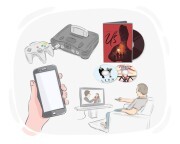
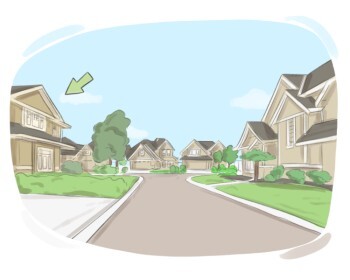
entertainment

activities, performances, films, shows, or other things provided for people's enjoyment

娯楽,エンターテインメント
娯楽,エンターテインメント

Ex: The hotel offers live entertainment every evening. 
housing
housing
[名詞]

buildings in which people live, including their condition, prices, or types

住宅,住居

住宅,住居

Ex: The new policy aims to improve rural housing. 

新しい政策は、農村の住宅を改善することを目的としています。

author
author
[名詞]

a person who writes books, articles, etc., often as a job

著者,作家

著者,作家

Ex: During the book signing event, fans eagerly lined up to meet their favorite author and get their copies autographed. 

サイン会の間、ファンは熱心に列を作り、お気に入りの著者に会い、サイン入りのコピーを手に入れようとしました。

to look for
to look for
[動詞]

to expect or hope that something will happen or be achieved
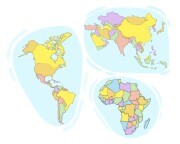
Ex: The company is looking for an increase in sales next year. 
continent
continent
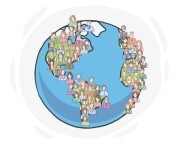
[名詞]

one of the Earth's main large landmasses, such as Africa, Asia, or Europe

大陸, 州
大陸, 州

Ex: Asia is the largest continent. 
population
population
[名詞]

the number of people who live in a particular city or country

人口

人口

Ex: Cities struggle to build enough housing to accommodate rising populations. 

都市は増加する人口に対応するための十分な住宅を建設するのに苦労しています。

crowded
crowded
[形容詞]

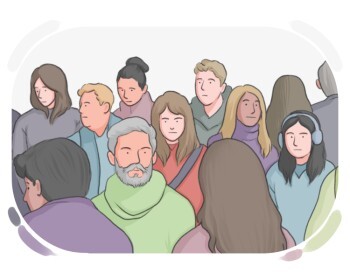
(of a space) filled with things or people

混雑した,満員の

混雑した,満員の

Ex: The crowded room was packed with partygoers dancing and chatting. 

混雑した部屋は、踊ったりおしゃべりしたりするパーティー参加者でいっぱいでした。

percent
percent
[副詞]

for or in every hundred

パーセント, 百分率

パーセント, 百分率

Ex: Sales increased by ten percent last year. 
resident
resident
[名詞]

a person who lives in a particular place, usually on a long-term basis

居住者,住民

居住者,住民

Ex: The apartment building has a mix of residents from different cultural backgrounds. 

そのアパートメントビルには、さまざまな文化的背景を持つ居住者が混在しています。

daycare
daycare
[名詞]

a place where children or the elderly are supervised and cared for during the day while their families are busy, and provided with meals, activities, and rest

デイケア,保育所

デイケア,保育所

although
although
[接続詞]

used to introduce a fact or situation that contrasts with or makes another seem surprising
Ex: Although it was raining, we still went to the park. 
incredible
incredible
[形容詞]

extremely great or large

信じられない,驚くべき

信じられない,驚くべき

Ex: The incredible speed of the cheetah makes it the fastest land animal. 

チーターの信じられないほどの速さは、それを最速の陸上動物にしています。

salary
salary
[名詞]

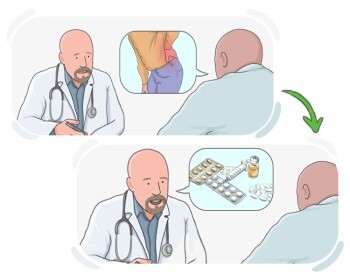
a fixed amount of money paid regularly to an employee for their work, usually expressed as an annual amount and paid monthly

給料, サラリー
給料, サラリー

Ex: Emma earns a good salary as a software engineer. 
healthcare
healthcare
[名詞]

the health services and treatments given to people

医療,ヘルスケア

医療,ヘルスケア

Ex: Access to affordable healthcare is a major concern for many families in the country. 

手頃な価格の医療へのアクセスは、国の多くの家族にとって大きな関心事です。

education
education
[名詞]

the process of teaching and learning, especially in schools, colleges, or universities
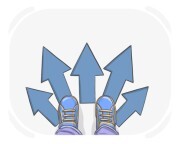
Ex: Every child deserves access to a good education. 
option
option
[名詞]

something that can or may be chosen from a number of alternatives

オプション, 選択肢

オプション, 選択肢

Ex: He considered all his options before making a decision about where to study. 

彼はどこで勉強するかについて決断する前に、すべての選択肢を考慮しました。

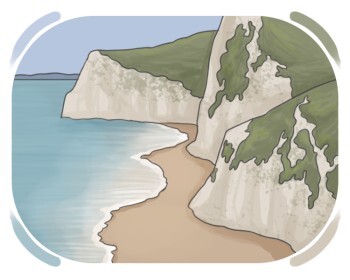
beach
beach
[名詞]

an area of sand or small stones next to a sea or a lake

ビーチ,海岸

ビーチ,海岸

Ex: The beach was crowded with people enjoying the sun and surf. 

ビーチは太陽と波を楽しむ人々で混雑していました。

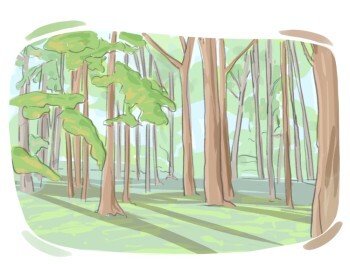
forest
forest
[名詞]

a vast area of land that is covered with trees and shrubs

森

森

Ex: The forest provided us with shade on a hot summer day. 

森は暑い夏の日に私たちに日陰を提供してくれました。

to volunteer
to volunteer
[動詞]

to state or suggest something without being asked or told

自発的に言う, 提案する

自発的に言う, 提案する

Ex: At the conference, several experts volunteered their opinions on the latest trends in the industry, without being prompted by the audience. 

会議では、聴衆に促されることなく、数人の専門家が業界の最新トレンドについての意見を自発的に述べました。

to earn
to earn
[動詞]

to get money for the job that we do or services that we provide

稼ぐ,得る

稼ぐ,得る

Ex: She earns extra income by tutoring on weekends. 

彼女は週末に家庭教師をすることで追加収入を得ています。

rich
rich
[形容詞]

owning a great amount of money or things that cost a lot

裕福な,金持ちの

裕福な,金持ちの

Ex: The rich man bought a big house and a fancy car. 

その裕福な男は大きな家と高級車を買った。

relationship
relationship
[名詞]

the connection among two or more things or people or the way in which they are connected

関係,絆

関係,絆

Ex: There's a symbiotic relationship between plants and bees in pollination. 

受粉において植物と蜂の間には共生関係があります。

attitude
attitude
[名詞]

the typical way a person thinks or feels about something or someone, often affecting their behavior and decisions

態度, 考え方

態度, 考え方

Ex: Negative attitudes can limit personal growth and hinder progress in various aspects of life. 

否定的な態度は、個人の成長を制限し、生活のさまざまな側面での進歩を妨げる可能性があります。
positive
positive
[形容詞]

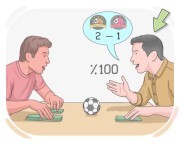
(of a person) having no doubt about something

確信している,確信的な

確信している,確信的な

Ex: Despite the challenges, she remained positive that they would overcome the obstacles together. 

課題にもかかわらず、彼女は彼らが一緒に障害を乗り越えるとポジティブに考え続けた。
even
even
[副詞]

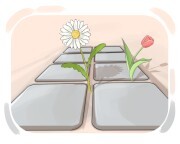
used to emphasize something surprising, unexpected, or extreme

Ex: Sarah didn't even notice that her phone was missing. 
government
government
[名詞]

the group of politicians in control of a country or state

政府,行政

政府,行政

Ex: The government provided disaster relief funds to help communities affected by the recent flood. 

政府は最近の洪水の影響を受けたコミュニティを支援するために災害救助資金を提供しました。

LanGeek
LanGeekアプリをダウンロード