


時間と場所の副詞 - 過去の副詞

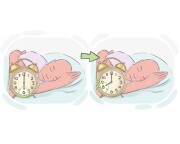
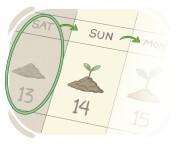
これらの副詞は、"すでに"、"最近"、"ずっと前に"などのように、過去に起こった出来事を指すために使用されます。

review-disable

レビュー

flashcard-disable

フラッシュカード

spelling-disable

綴り

quiz-disable

クイズ

学習を開始
時間と場所の副詞
already [副詞]
اجرا کردن

すでに

Ex: She had already left when I arrived .

私が到着したとき、彼女はすでに出発していた。

then [副詞]
اجرا کردن

その時

Ex: She was a student then , but now she 's a professor .

彼女はその時学生でしたが、今は教授です。

since [副詞]
اجرا کردن

それ以来

Ex: He started studying medicine in 2005 and has been practicing as a doctor since .

彼は2005年に医学の勉強を始め、以来医師として働いています。
recently [副詞]
اجرا کردن

最近

Ex: We attended a conference recently to stay updated .

私たちは最新情報を得るために最近会議に出席しました。

still [副詞]
اجرا کردن

まだ

Ex: He still lives in the same house .

彼はまだ同じ家に住んでいます。

yet [副詞]
اجرا کردن

まだ

Ex: She has been studying for hours , and she is n't finished yet .

彼女は何時間も勉強していて、まだ終わっていません。

all along [副詞]
اجرا کردن

最初から

Ex: She knew the answer all along but chose not to reveal it until now .

彼女は答えを最初から知っていたが、今まで明かさないことを選んだ。

beforehand [副詞]
اجرا کردن

事前に

Ex: Guests must submit dietary requests beforehand .

ゲストは食事のリクエストを事前に提出する必要があります。

newly [副詞]
اجرا کردن

新たに

Ex: She has newly joined the company and is eager to contribute .

彼女は新しく会社に加わり、貢献することを熱望しています。

long ago [副詞]
اجرا کردن

昔々

Ex: They lived in the ancient city long ago.

彼らは昔々、古代都市に住んでいました。

long since [副詞]
اجرا کردن

とっくに

Ex: He 'd long since abandoned the idea .

彼はとっくにその考えを捨てていた。

yesterday [副詞]
اجرا کردن

昨日

Ex: She submitted the report yesterday.

彼女はレポートを昨日提出しました。