
Adverbs of Time and Place - Adverbs of Past
These adverbs are used to refer to events that have taken place in the past, such as "already", "recently", "long ago", etc.
Review
Flashcards
Spelling
Quiz

Close
Sign in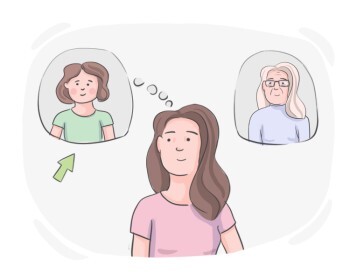
then
[Adverb]
at a specific point or period in time previously mentioned
Ex: She was a student then, but now she's a professor.
Close
Sign in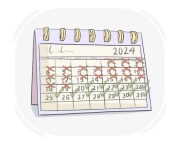
since
[Adverb]
from a specific point in the past until the present time
Ex: He started studying medicine in 2005 and has been practicing as a doctor since.
Close
Sign in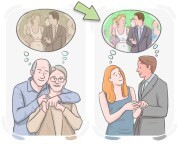
recently
[Adverb]
at or during a time that is not long ago
Ex: We attended a conference recently to stay updated.
Close
Sign in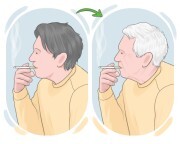
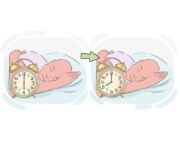
yet
[Adverb]
up until the current or given time
Ex: She has been studying for hours, and she isn't finished yet.
Close
Sign in
all along
[Adverb]
from the beginning or continuously throughout a period of time
Ex: She knew the answer all along but chose not to reveal it until now.
Close
Sign in
Close
Sign innewly
[Adverb]
at or during a time that is recent
Ex: She has newly joined the company and is eager to contribute.
Close
Sign in
long since
[Adverb]
from a considerable time before the present or a specified time
Ex: He'd long since abandoned the idea.
Close
Sign in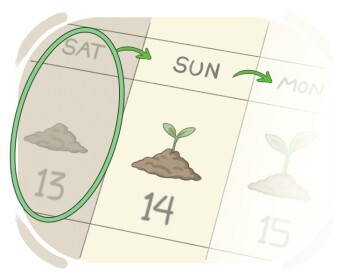

Download LanGeek app