

pattern

책 Four Corners 1 - 단원 4 강의 C

여기에서는 Four Corners 1 교과서의 4단원 C과에서 "뉴스", "루틴", "수요일" 등의 어휘를 찾을 수 있습니다.

리뷰

플래시카드

형태

철자법

퀴즈

학습 시작
Four Corners 1
day
day
[명사]

a period of time that is made up of twenty-four hours

일

Ex: I like to have a cup of tea in the evening to relax after a long day. 
닫기
로그인
week
week
[명사]

a period of time that is made up of seven days in a calendar

주

Ex: He tries to exercise at least three times a week. 
닫기
로그인
weekday
weekday
[명사]

any day of the week other than Saturday and Sunday

평일, 근무일

평일, 근무일

Ex: The store is open on weekdays from 9 a.m. to 6 p.m. 
닫기
로그인
weekend
weekend
[명사]

the days of the week, usually Saturday and Sunday, when people do not have to go to work or school

주말

주말

Ex: I like to sleep in and have a late breakfast on the weekends. 
닫기
로그인
Monday
Monday
[명사]

‌the day that comes after Sunday

월요일, 월요일에

월요일, 월요일에

Ex: I have a team meeting every Monday afternoon. 
닫기
로그인
Tuesday
Tuesday
[명사]

‌the day that comes after Monday

화요일

화요일

Ex: Harry uses Tuesdays to plan his goals for the rest of the week. 
닫기
로그인
Wednesday
Wednesday
[명사]

‌the day that comes after Tuesday

수요일

수요일

Ex: I eat pizza on Wednesdays. 
닫기
로그인
Thursday
Thursday
[명사]

‌the day that comes after Wednesday

목요일

목요일

Ex: I have a dentist appointment on Thursday. 
닫기
로그인
Friday
Friday
[명사]

‌the day that comes after Thursday

금요일

금요일

Ex: Friday is the last day of the workweek for many people, signaling the start of the weekend. 
닫기
로그인
Saturday
Saturday
[명사]

‌the day that comes after Friday

토요일, 토요일에

토요일, 토요일에

Ex: I enjoy attending cultural events like concerts or theater performances on Saturdays. 
닫기
로그인
Sunday
Sunday
[명사]

‌the day that comes after Saturday

일요일

일요일

Ex: I don't work on Sundays; it's my day off. 
닫기
로그인
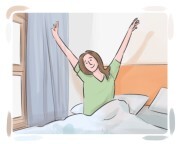
to get up
to get up
[동사]

to wake up and get out of bed

일어나다, 깨다

일어나다, 깨다

Ex: I usually get up at 6 AM to start my day. 
닫기
로그인
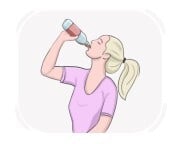
to drink
to drink
[동사]

to put water, coffee, or other type of liquid inside of our body through our mouth

마시다

마시다

Ex: He prefers to drink hot chocolate in the winter, not in the summer. 
닫기
로그인
coffee
coffee
[명사]

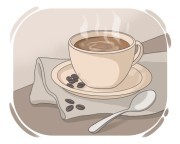
a drink made by mixing hot water with crushed coffee beans, which is usually brown

커피

커피

Ex: He savored the aroma of freshly brewed coffee before taking his first sip. 
닫기
로그인
to eat
to eat
[동사]

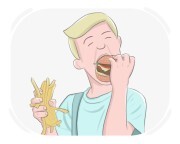
to put food into the mouth, then chew and swallow it

먹다

먹다

Ex: They enjoy eating pizza on Friday nights. 
닫기
로그인
breakfast
breakfast
[명사]

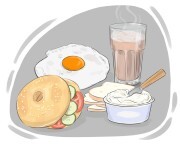
the first meal we have in the early hours of the day

아침 식사

아침 식사

Ex: Breakfast plays an important role as it provides the body with the necessary energy and nutrients to start the day. 
닫기
로그인
to read
to read
[동사]

to look at written or printed words or symbols and understand their meaning

읽다, 독서

읽다, 독서

Ex: I can read this book easily. 
닫기
로그인
news
news
[명사]

reports on recent events that are broadcast or published

뉴스, 소식

뉴스, 소식

Ex: The morning news provided updates on the latest developments in the election. 
닫기
로그인
to go
to go
[동사]

to move over a particular distance

가다, 움직이다

가다, 움직이다

Ex: The family planned to go several hundred miles to reach their vacation destination. 
닫기
로그인
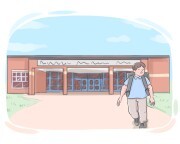
school
school
[명사]

a place where children learn things from teachers

학교, 교육 기관

학교, 교육 기관

Ex: He forgot his homework and had to rush back to school to get it. 
닫기
로그인
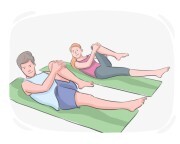
to exercise
to exercise
[동사]

to do physical activities or sports to stay healthy and become stronger

운동하다, 훈련하다

운동하다, 훈련하다

Ex: He doesn't exercise as much as he should. 
닫기
로그인
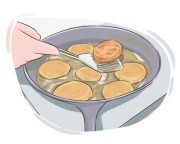
to cook
to cook
[동사]

to make food with heat

요리하다, 음식을 만들다

요리하다, 음식을 만들다

Ex: I love to cook scrambled eggs with cheese for breakfast. 
닫기
로그인
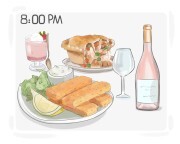
dinner
dinner
[명사]

the main meal of the day that we usually eat in the evening

저녁 식사, 저녁

저녁 식사, 저녁

Ex: For dinner, I cooked a delicious chicken stir-fry with vegetables. 
닫기
로그인
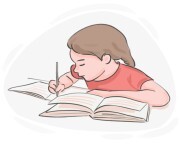
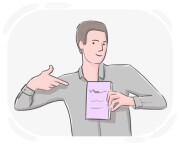
study
study
[명사]

a deliberate and focused effort to gain knowledge or understanding about a specific topic

공부

공부

Ex: The study of literature allows students to explore different cultures and historical periods through written works. 
닫기
로그인
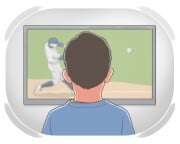
to watch
to watch
[동사]

to look at a thing or person and pay attention to it for some time

보다, 관찰하다

보다, 관찰하다

Ex: He sat on the park bench and watched the sunset. 
닫기
로그인
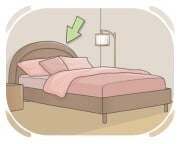
bed
bed
[명사]

furniture we use to sleep on that normally has a frame and mattress

침대, 침상

침대, 침상

Ex: I have a bedside table next to my bed for my books and glasses. 
닫기
로그인
on
on
[전치사]

used to show a day or date

에, 에서

에, 에서

Ex: We celebrated her promotion on New Year's Eve. 
닫기
로그인
afternoon
afternoon
[명사]

the time of day that is between twelve o'clock and the time that the sun starts to set

오후

오후

Ex: He likes to take a walk in the park during the afternoon. 
닫기
로그인
in
in
[전치사]

used to state how long it will be until something happens

안에

안에

Ex: We'll be there in a few days. 
닫기
로그인
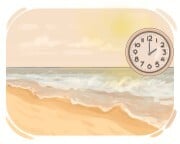
at
at
[전치사]

expressing the exact time when something happens

에, 에서

에, 에서

Ex: Are you ready? The concert begins at 8 o'clock. 
닫기
로그인
before
before
[부사]

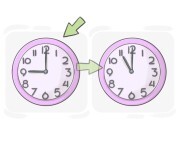
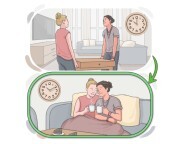
at an earlier point in time

이전에, 전에

이전에, 전에

Ex: I had visited that city before. 
닫기
로그인
after
after
[부사]

at a later time

후에, 이후

후에, 이후

Ex: She left the party early, and he followed shortly after. 
닫기
로그인
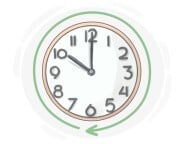
midnight
midnight
[명사]

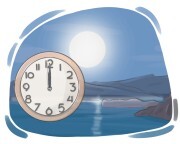
the middle of the night when the clock shows 12 AM

자정, 한밤중

자정, 한밤중

Ex: The fireworks began at midnight. 
닫기
로그인
everyday
everyday
[형용사]

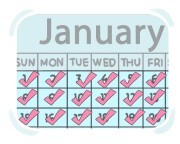
taking place each day

일상적인, 매일의

일상적인, 매일의

Ex: Drinking coffee has become an everyday habit for him. 
닫기
로그인
my
my
[한정사]

(first-person singular possessive determiner) of or belonging to the speaker or writer

나의, 내

나의, 내

Ex: This is my house. 
닫기
로그인
routine
routine
[명사]

a set of actions or behaviors that someone does regularly or habitually

루틴, 습관

루틴, 습관

Ex: She follows a morning routine every day. 
닫기
로그인
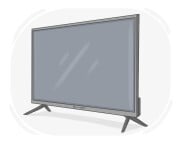
television
television
[명사]

an electronic device with a screen that receives television signals, on which we can watch programs

텔레비전, TV

텔레비전, TV

Ex: She watched her favorite show on the TV last night. 
닫기
로그인
LanGeek
LanGeek 앱 다운로드