pattern

El libro Four Corners 1 - Unidad 4 Lección C

Aquí encontrarás el vocabulario de la Unidad 4 Lección C del libro de curso Four Corners 1, como "noticias", "rutina", "miércoles", etc.

Revisión

Tarjetas de memoria

formas

Ortografía

Cuestionario

Empezar a aprender
Four Corners 1
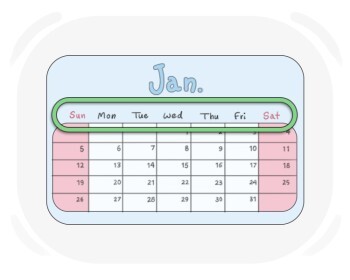
day
day
[Sustantivo]

a period of time that is made up of twenty-four hours

día
día

Ex: Let's plan a movie night for this Saturday, it will be a fun day. 

Planifiquemos una noche de cine este sábado, será un día divertido.

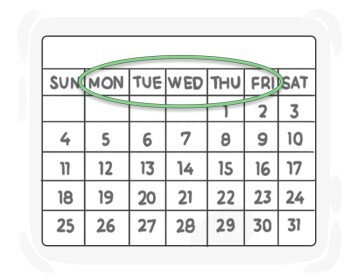
week
week
[Sustantivo]

a period of time that is made up of seven days in a calendar

semana
semana

Ex: My wife enjoys reading books in her free time during the week. 

A mi esposa le gusta leer libros en su tiempo libre durante la semana.

weekday
weekday
[Sustantivo]

any day of the week other than Saturday and Sunday

día de semana

día de semana

Ex: He gets up early every weekday to prepare for work. 

Se levanta temprano todos los días laborables para prepararse para el trabajo.
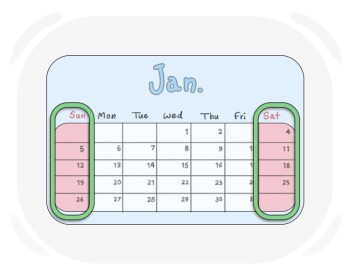
weekend
weekend
[Sustantivo]

the days of the week, usually Saturday and Sunday, when people do not have to go to work or school

fin de semana, wikén
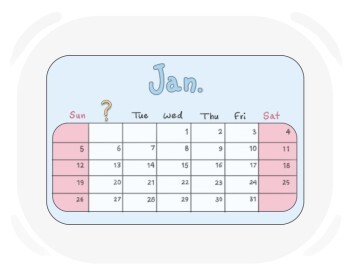
fin de semana, wikén

Ex: Weekends allow me to take a break from work and recharge for the next week. 

Los fines de semana me permiten tomar un descanso del trabajo y recargar energías para la próxima semana.

Monday
Monday
[Sustantivo]

‌the day that comes after Sunday

lunes

lunes

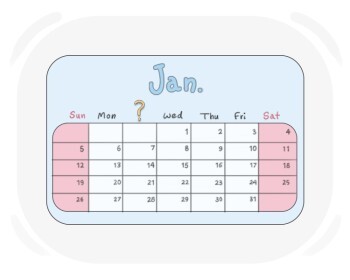
Ex: I usually have a light dinner on Mondays because I'm still feeling full from the weekend. 

Normalmente tengo una cena ligera los lunes porque todavía me siento lleno del fin de semana.

Tuesday
Tuesday
[Sustantivo]

‌the day that comes after Monday

martes

martes

Ex: I use Tuesdays to work on my personal projects and hobbies. 

Uso los martes para trabajar en mis proyectos personales y pasatiempos.

Wednesday
Wednesday
[Sustantivo]

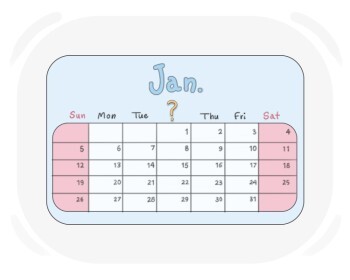
‌the day that comes after Tuesday

miércoles
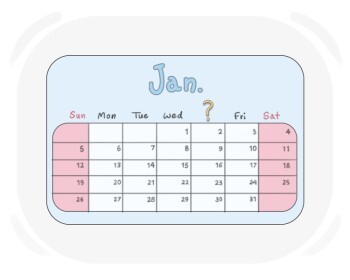
miércoles

Ex: I make sure to get a good night's sleep on Wednesdays to recharge for the rest of the week. 

Me aseguro de dormir bien los miércoles para recargar energías para el resto de la semana.

Thursday
Thursday
[Sustantivo]

‌the day that comes after Wednesday

jueves

jueves

Ex: Thursday is almost the weekend. 

Jueves es casi el fin de semana.

Friday
Friday
[Sustantivo]

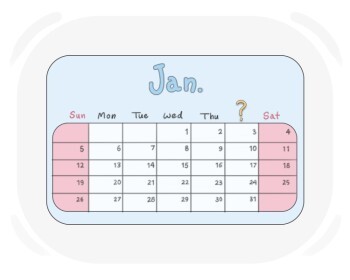
‌the day that comes after Thursday

viernes
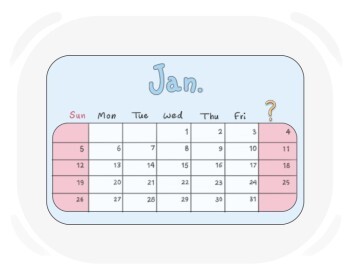
viernes

Ex: My friend's birthday is on a Friday this year. 

El cumpleaños de mi amigo es un viernes este año.

Saturday
Saturday
[Sustantivo]

‌the day that comes after Friday

sábado

sábado

Ex: I look forward to Saturday evenings because I meet up with friends for dinner. 

Espero con ansias las noches de sábado porque me reúno con amigos para cenar.

Sunday
Sunday
[Sustantivo]

‌the day that comes after Saturday

domingo
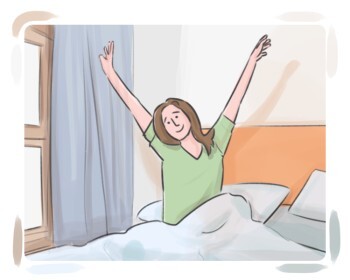
domingo

Ex: Sunday is a day to relax and recharge for the upcoming week. 

Domingo es un día para relajarse y recargar energías para la próxima semana.

to get up
to get up
[Verbo]

to wake up and get out of bed

levantarse

levantarse

Ex: When the alarm goes off, I struggle to get up and start the day. 

Cuando suena la alarma, me cuesta levantarme y empezar el día.
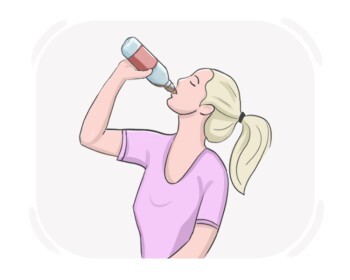
to drink
to drink
[Verbo]

to put water, coffee, or other type of liquid inside of our body through our mouth

beber

beber

Ex: I usually drink a cup of green tea in the afternoon. 

Normalmente bebo una taza de té verde por la tarde.

coffee
coffee
[Sustantivo]

a drink made by mixing hot water with crushed coffee beans, which is usually brown

café
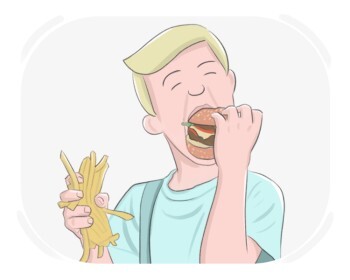
café

Ex: I tried a new coffee blend with hints of chocolate and caramel. 

Probé una nueva mezcla de café con toques de chocolate y caramelo.

to eat
to eat
[Verbo]

to put food into the mouth, then chew and swallow it

comer
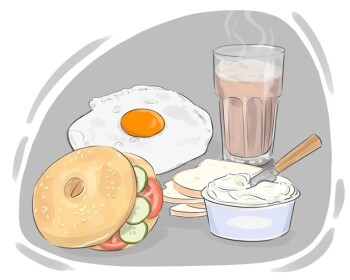
comer

Ex: We ate sushi for the first time and loved it. 

Comimos sushi por primera vez y nos encantó.

breakfast
breakfast
[Sustantivo]

the first meal we have in the early hours of the day

desayuno
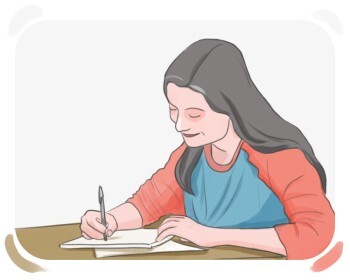
desayuno

Ex: She enjoyed a bowl of warm oatmeal topped with sliced bananas for breakfast. 

Disfrutó de un tazón de avena caliente cubierta con rodajas de plátano para el desayuno.

to read
to read
[Verbo]

to look at written or printed words or symbols and understand their meaning

leer
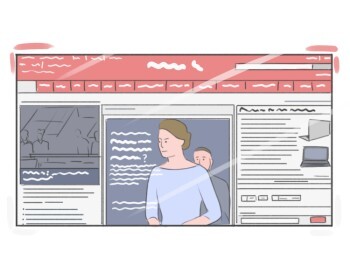
leer

Ex: It's important to read the terms and conditions before agreeing. 

Es importante leer los términos y condiciones antes de aceptar.

news
news
[Sustantivo]

reports on recent events that are broadcast or published

noticias, noticiario

noticias, noticiario

Ex: The evening news covered international stories, including political unrest in several countries. 

El noticiero de la tarde cubrió historias internacionales, incluidos disturbios políticos en varios países.

to go
to go
[Verbo]

to move over a particular distance

ir, recorrer
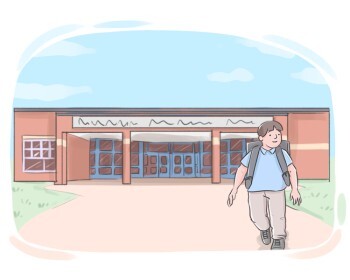
ir, recorrer

Ex: The cyclists went a considerable distance before taking a break at the rest area. 

Los ciclistas recorrieron una distancia considerable antes de tomar un descanso en el área de descanso.

school
school
[Sustantivo]

a place where children learn things from teachers

escuela, colegio
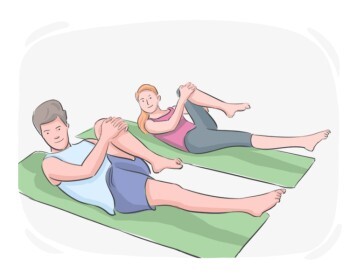
escuela, colegio

Ex: She takes the bus to school every morning. 

Ella toma el autobús para ir a la escuela todas las mañanas.

to exercise

to do physical activities or sports to stay healthy and become stronger

hacer ejercicio
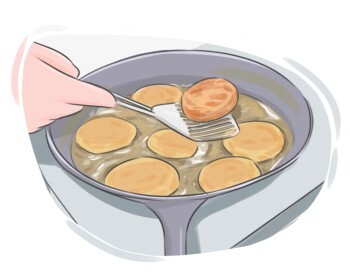
hacer ejercicio

Ex: I try to exercise regularly to keep fit. 

Intento hacer ejercicio regularmente para mantenerme en forma.

to cook
to cook
[Verbo]

to make food with heat

cocinar

cocinar

Ex: The chef cooks a delicious meal in the restaurant. 

El chef cocina una deliciosa comida en el restaurante.

dinner
dinner
[Sustantivo]

the main meal of the day that we usually eat in the evening

cena
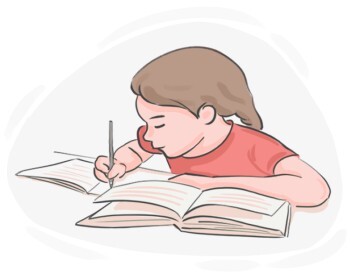
cena

Ex: They grilled hamburgers and hot dogs for a casual summer dinner. 

Asaron hamburguesas y hot dogs para una cena informal de verano.

study
study
[Sustantivo]

a deliberate and focused effort to gain knowledge or understanding about a specific topic

estudio

estudio

Ex: The study of psychology involves examining human behavior and mental processes. 

El estudio de la psicología implica examinar el comportamiento humano y los procesos mentales.

to watch
to watch
[Verbo]

to look at a thing or person and pay attention to it for some time

mirar
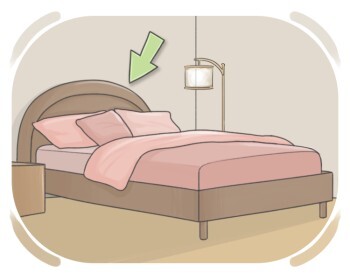
mirar

Ex: The audience eagerly watched the actors on stage during the play. 

El público observó con entusiasmo a los actores en el escenario durante la obra.

bed
bed
[Sustantivo]

furniture we use to sleep on that normally has a frame and mattress

cama

cama

Ex: I make my bed every morning to keep it tidy. 

Hago mi cama todas las mañanas para mantenerla ordenada.

on
on
[Preposición]

used to show a day or date

[preposición utilizada para indicar el tiempo]

[preposición utilizada para indicar el tiempo]

Ex: She gave birth on Christmas Day. 

Ella dio a luz el día de Navidad.

afternoon
afternoon
[Sustantivo]

the time of day that is between twelve o'clock and the time that the sun starts to set

tarde

tarde

Ex: My father likes to go for a bike ride or take our dog for a walk in the afternoon. 

A mi padre le gusta ir a dar un paseo en bicicleta o sacar a pasear a nuestro perro por la tarde.

in
in
[Preposición]

used to state how long it will be until something happens

en

en

Ex: I'll give you an answer in a few hours. 

Te daré una respuesta en unas pocas horas.

at
at
[Preposición]

expressing the exact time when something happens

a

a

Ex: The event is scheduled at 3:15 PM. 

El evento está programado a las 3:15 PM.
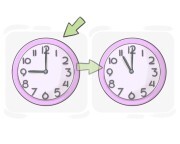
before
before
[Adverbio]

at an earlier point in time

antes

antes

Ex: We've met before, haven't we? 

Nos hemos conocido antes, ¿verdad?

after
after
[Adverbio]

at a later time

después de

después de

Ex: He promised to call, but we never heard from him after. 

Prometió llamar, pero nunca supimos de él después.
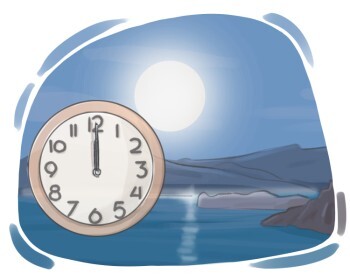
midnight
midnight
[Sustantivo]

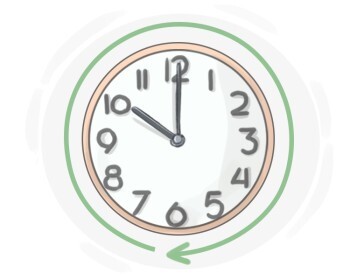
the middle of the night when the clock shows 12 AM

medianoche

medianoche

Ex: She heard strange noises outside at midnight. 

Ella escuchó ruidos extraños afuera a medianoche.

everyday
everyday
[Adjetivo]

taking place each day

diario

diario

Ex: They enjoyed their everyday walks in the neighborhood park. 

Disfrutaban de sus paseos diarios en el parque del vecindario.
my
my
[Determinante]

(first-person singular possessive determiner) of or belonging to the speaker or writer

mi, mis

mi, mis

Ex: I forgot my keys at home. 

Olvidé mis llaves en casa.

routine
routine
[Sustantivo]

a set of actions or behaviors that someone does regularly or habitually

rutina, costumbre

rutina, costumbre

Ex: The teacher started the class with her usual routine. 

El profesor comenzó la clase con su rutina habitual.

television
television
[Sustantivo]

an electronic device with a screen that receives television signals, on which we can watch programs

televisión

televisión

Ex: The television was turned off during dinner. 

El televisor estaba apagado durante la cena.

LanGeek
Descargar la aplicación LanGeek