
Книга Four Corners 1 - Раздел 4 Урок C
Здесь вы найдете словарный запас из Урока 4 Урока C учебника Four Corners 1, такие как "новости", "рутина", "среда" и т.д.
Обзор
Флэш-карточки
формы
Правописание
Тест

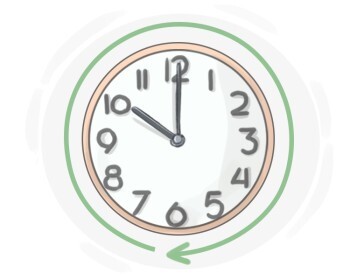
a period of time that is made up of twenty-four hours

день
Мне нравится выпить чашку чая вечером, чтобы расслабиться после долгого дня.
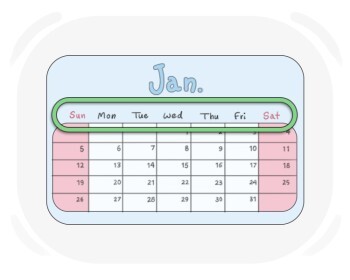
a period of time that is made up of seven days in a calendar
неделя
Он старается заниматься спортом как минимум три раза в неделю.
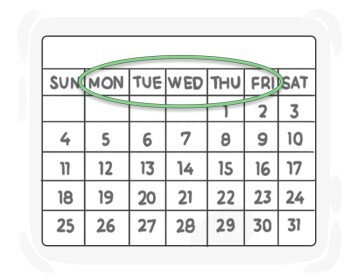
any day of the week other than Saturday and Sunday
будний день, рабочий день
Магазин открыт в будние дни с 9 утра до 6 вечера.
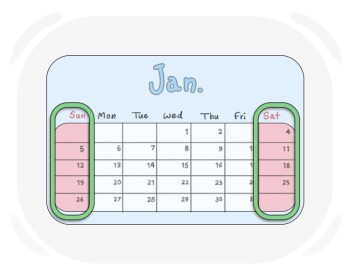
the days of the week, usually Saturday and Sunday, when people do not have to go to work or school
выходной день
Мне нравится поспать подольше и поздно позавтракать на выходных.
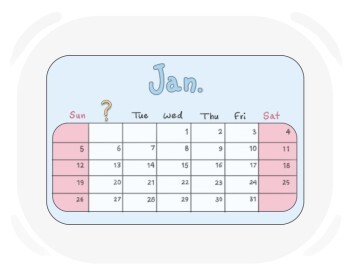
the day that comes after Sunday
Понедельник
У меня командное собрание каждое понедельник во второй половине дня.
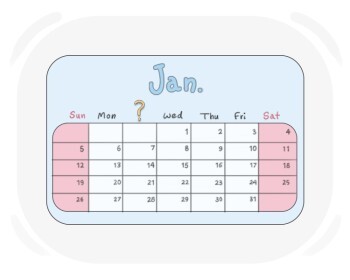
the day that comes after Monday
Вторник
Гарри использует вторники, чтобы планировать свои цели на остаток недели.
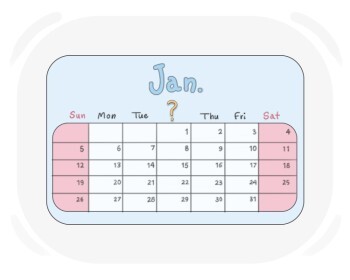
the day that comes after Tuesday
Среда
Я ем пиццу по средам.
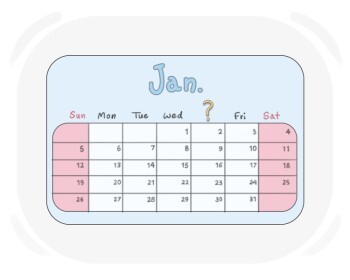
the day that comes after Wednesday
Четверг
У меня назначен прием к стоматологу в четверг.
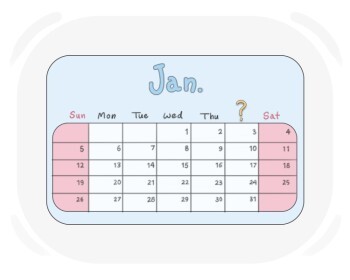
the day that comes after Thursday
Пятница
Пятница - это последний день рабочей недели для многих людей, сигнализирующий о начале выходных.
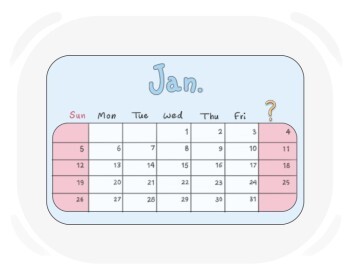
the day that comes after Friday
Суббота
Мне нравится посещать культурные мероприятия, такие как концерты или театральные представления, по субботам.
the day that comes after Saturday
Воскресенье
Я не работаю по воскресеньям; это мой выходной.
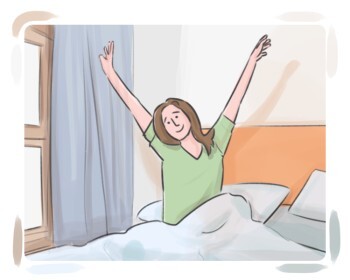
to wake up and get out of bed
вставать
Каждое утро она встаёт рано, чтобы медитировать и готовиться к дню.
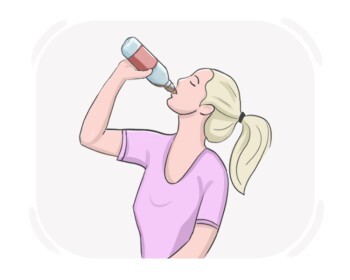
to put water, coffee, or other type of liquid inside of our body through our mouth
пить
Он предпочитает пить горячий шоколад зимой, а не летом.
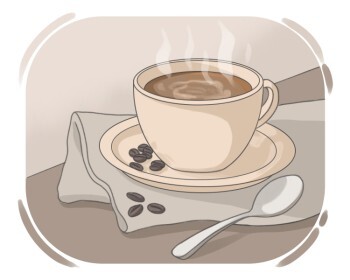
a drink made by mixing hot water with crushed coffee beans, which is usually brown
кофе
Он наслаждался ароматом свежесваренного кофе, прежде чем сделать первый глоток.
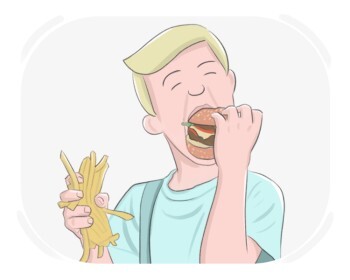
to put food into the mouth, then chew and swallow it
есть
Им нравится есть пиццу по пятницам вечером.
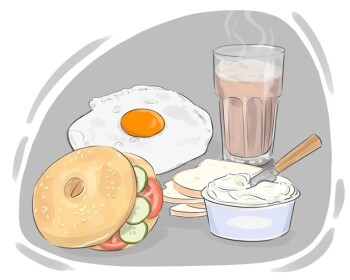
the first meal we have in the early hours of the day
завтрак
Завтрак играет важную роль, так как обеспечивает организм необходимой энергией и питательными веществами для начала дня.
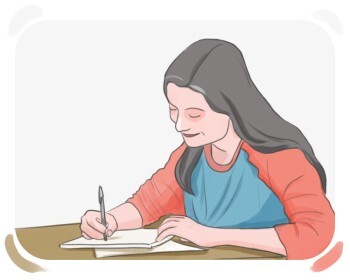
to look at written or printed words or symbols and understand their meaning
читать
Я могу легко прочитать эту книгу.
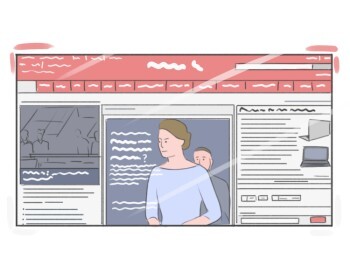
reports on recent events that are broadcast or published
новости
Утренние новости предоставили обновления о последних событиях на выборах.

to move over a particular distance
идти, ходить
Во время велосипедного тура они проезжали много миль каждый день, наслаждаясь пейзажами по пути.
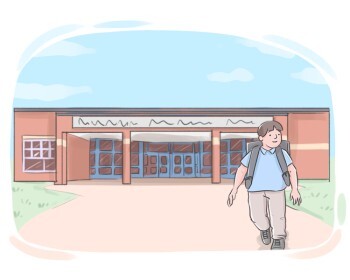
a place where children learn things from teachers
школа
Он забыл свою домашнюю работу и должен был срочно вернуться в школу, чтобы забрать её.
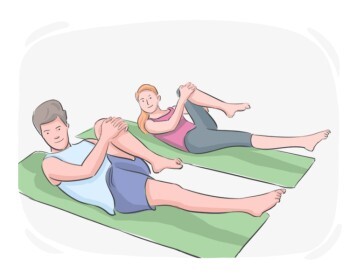
to do physical activities or sports to stay healthy and become stronger
упражнять
Ему нужно больше заниматься спортом, чтобы похудеть.
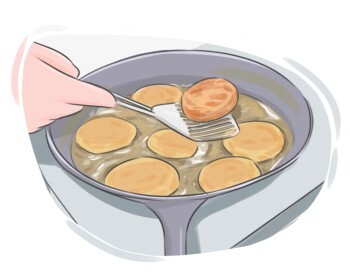
to make food with heat
готовить, приготовлять еду
Я люблю готовить яичницу с сыром на завтрак.
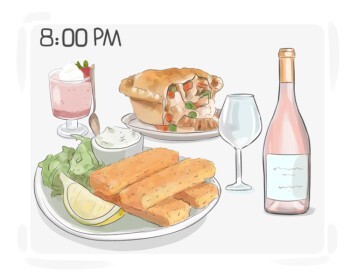
the main meal of the day that we usually eat in the evening
ужин
На ужин я приготовил вкусную жареную курицу с овощами.
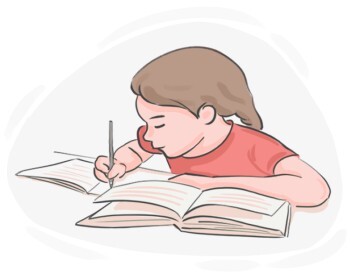
a deliberate and focused effort to gain knowledge or understanding about a specific topic
изучение
Изучение литературы позволяет студентам исследовать различные культуры и исторические периоды через письменные произведения.

to look at a thing or person and pay attention to it for some time
смотреть, посмотреть
Он сидел на скамейке в парке и смотрел на закат.
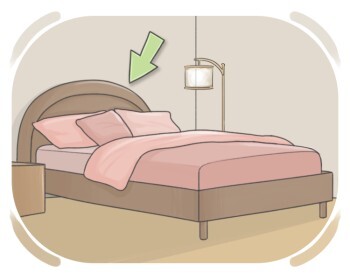
furniture we use to sleep on that normally has a frame and mattress
кровать
У меня есть тумбочка рядом с моей кроватью для моих книг и очков.
used to show a day or date
на, в
Мы отпраздновали её повышение в канун Нового года.
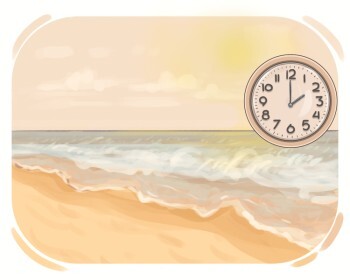
the time of day that is between twelve o'clock and the time that the sun starts to set
днем, после полудня
Он любит гулять в парке во второй половине дня.
used to state how long it will be until something happens
в
Мы будем там через несколько дней.
expressing the exact time when something happens
в, на
Вы готовы? Концерт начинается в 8 часов.
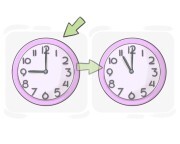
at an earlier point in time
раньше
Я раньше посещал этот город.
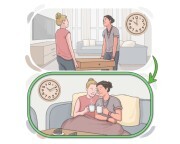
at a later time
после
Она рано ушла с вечеринки, и он последовал за ней вскоре после.
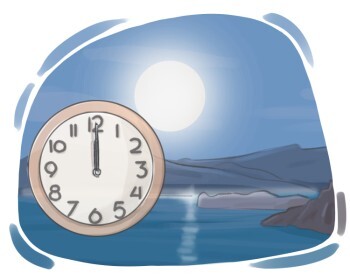
the middle of the night when the clock shows 12 AM
полночь
Фейерверки начались в полночь.
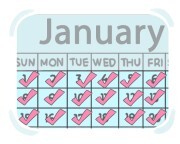
taking place each day
ежедневный
Пить кофе стало для него ежедневной привычкой.
(first-person singular possessive determiner) of or belonging to the speaker or writer
мой
Это мой дом.
a set of actions or behaviors that someone does regularly or habitually
рутина
Вечерний ритуал ребенка всегда начинается с рассказа.

an electronic device with a screen that receives television signals, on which we can watch programs
телевизор
Она смотрела свое любимое шоу по телевизору прошлой ночью.
