

특정 감정을 불러일으키는 형용사 - 부정적인 감정의 형용사

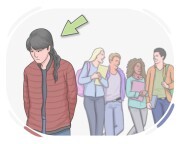
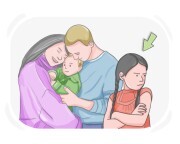
이 형용사들은 "슬픔", "분노", "불안", "좌절" 등과 같이 개인이 경험하는 괴롭고 불쾌한 감정을 설명합니다.

review-disable

리뷰

flashcard-disable

플래시카드

spelling-disable

철자법

quiz-disable

퀴즈

학습 시작
특정 감정을 불러일으키는 형용사
angry [형용사]
اجرا کردن

화난,성난

Ex: She was angry after being blamed for something she did n't do .

그녀는 하지 않은 일로 비난을 받은 후 화가 났다.

sorry [형용사]
اجرا کردن

미안한

Ex: I 'm really sorry for the mistake I made earlier .

제가 전에 저지른 실수에 대해 정말 죄송합니다.

afraid [형용사]
اجرا کردن

두려운

Ex: They were afraid of getting lost in the forest .

그들은 숲에서 길을 잃을까 두려워했습니다.

sad [형용사]
اجرا کردن

슬픈,우울한

Ex: It was a sad day when the team lost the championship game .

팀이 챔피언십 게임에서 졌을 때 슬픈 날이었다.

worried [형용사]
اجرا کردن

걱정스러운

Ex: She was worried about her financial situation , feeling uneasy about her mounting debts .

그녀는 자신의 재정 상황에 대해 걱정스러워하며, 늘어나는 빚에 대해 불안함을 느꼈다.

nervous [형용사]
اجرا کردن

긴장한

Ex: I do n't know why I always feel so nervous before a flight .

나는 비행 전에 항상 이렇게 긴장하는 이유를 모르겠어요.

mad [형용사]
اجرا کردن

화난

Ex: They were mad at the delayed flight that caused them to miss their connection .

그들은 연결편을 놓치게 한 지연된 비행기에 대해 화가 났습니다.

upset [형용사]
اجرا کردن

화난

Ex: She tried to hide how upset she was during the meeting .

그녀는 회의 중 얼마나 화가 났는지 숨기려고 했다.

lonely [형용사]
اجرا کردن

외로운

Ex: The traveler admitted to feeling lonely during his solo journey .

그 여행자는 혼자 여행하는 동안 외로움을 느꼈다고 고백했다.

unhappy [형용사]
اجرا کردن

불행한

Ex: She seemed unhappy after the phone call .

그녀는 전화 통화 후에 불행해 보였다.

jealous [형용사]
اجرا کردن

질투하는

Ex: I 'm so jealous of your vacation plans .

나는 너의 휴가 계획이 정말 부럽다.

furious [형용사]
اجرا کردن

격노한

Ex: She was furious at her colleague for taking credit for her work .

그녀는 자신의 일을 가로챈 동료에게 분노를 느꼈다.

anxious [형용사]
اجرا کردن

불안한

Ex: They were anxious about their financial situation , uncertain about how they would pay their bills .
miserable [형용사]
اجرا کردن

비참한

Ex: He looked miserable sitting alone in the corner .

그는 구석에 혼자 앉아 비참해 보였다.

ashamed [형용사]
اجرا کردن

부끄러운

Ex: They felt ashamed of their ignorance , realizing they had unintentionally hurt someone 's feelings .
insecure [형용사]
اجرا کردن

불안한

Ex: They were insecure about their relationship , worried that their partner might find someone better .

그들은 자신들의 관계에 대해 불안해했고, 파트너가 더 나은 사람을 찾을까 봐 걱정했습니다.

uneasy [형용사]
اجرا کردن

불안한

Ex: She was uneasy about the unfamiliar surroundings , feeling anxious about her safety .

그녀는 낯선 환경에 대해 불안을 느끼며 자신의 안전에 대해 걱정했습니다.

restless [형용사]
اجرا کردن

안절부절 못하는

Ex: Feeling restless , she decided to take a walk to clear her mind and ease her agitation .

안절부절 못하는 기분에, 그녀는 마음을 정리하고 초조함을 완화하기 위해 산책하기로 결정했다.

cross [형용사]
اجرا کردن

화난

Ex: They were cross with themselves for forgetting the anniversary .

그들은 기념일을 잊어버린 것에 대해 스스로에게 화가 났다.

steamed [형용사]
اجرا کردن

화가 난

Ex: Do n't get steamed over something so small .

그렇게 작은 일로 화내지 마세요.

pissed [형용사]
اجرا کردن

화난

Ex:

그들은 레스토랑에서 음식이 도착하기를 몇 시간 동안 기다린 후 화가 났습니다.

melancholy [형용사]
اجرا کردن

우울한

Ex: He had a melancholy expression as he stared out the window , lost in thought .

그는 창밖을 바라보며 생각에 잠긴 우울한 표정을 지었다.

despondent [형용사]
اجرا کردن

낙담한

Ex: A despondent expression crossed her face when she saw the empty room .

빈 방을 보았을 때 그녀의 얼굴에는 낙담한 표정이 지나갔다.

crestfallen [형용사]
اجرا کردن

낙담한

Ex: They were crestfallen when their project , on which they had worked tirelessly , was rejected .

그들은 쉬지 않고 일한 프로젝트가 거부되었을 때 낙담했다.

heartbroken [형용사]
اجرا کردن

마음이 상한

Ex:

그들의 집이 화재로 파괴된 후 그들은 가슴이 아팠다.

forlorn [형용사]
اجرا کردن

절망적인

Ex: He appeared forlorn as he wandered the empty streets late at night .

그는 한밤중에 빈 거리를 헤매며 절망적으로 보였다.