
Přídavná Jména Vyvolávající Určité Pocity - Přídavná jména negativních emocí
Tato přídavná jména popisují tísnivé a nepříjemné pocity, které zažívají jednotlivci, jako je "smutný", "naštvaný", "úzkostný", "frustrovaný" atd.
Revize
Kartičky
Pravopis
Kvíz
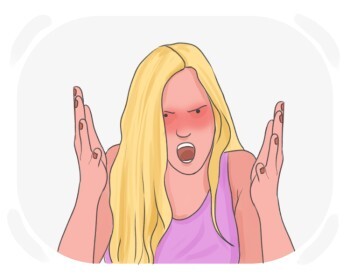
feeling very annoyed because of something that we do not like

naštvaný,rozzlobený, feeling very bad because of something
Rozčílím se, když mi lidé lžou.
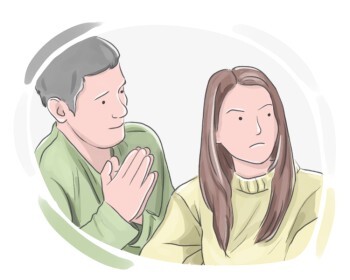
feeling ashamed or apologetic about something that one has or has not done
líto,kající
Cítil se špatně, že zapomněl na narozeniny svého přítele, a okamžitě se omluvil.
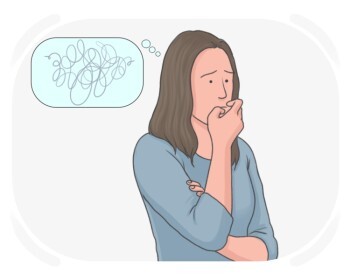
feeling fear because someone or something seems dangerous, frightening, or likely to cause harm
feeling fear because someone or something seems dangerous, frightening, or likely to cause harm
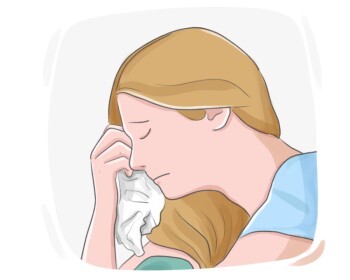
emotionally bad or unhappy
smutný,zarmoucený, feeling bad or unhappy
Smutné dítě hledalo útěchu v náručí své matky.
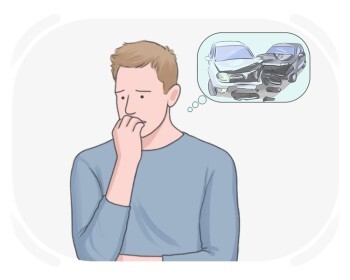
feeling anxious or concerned about something bad that has happened or might happen
feeling anxious or concerned about something bad that has happened or might happen
worried and anxious about something or slightly afraid of it
nervózní,úzkostlivý
Před svou velkou prezentací v práci se cítil nervózní.
feeling very angry or displeased
naštvaný,rozzuřený
Byl naštvaný na sebe, že udělal stejnou chybu znovu.
feeling disturbed or distressed due to a negative event
rozrušený,rozčilený
Byla rozrušená poté, co slyšela špatné zprávy.
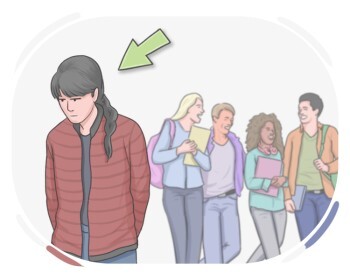
unhappy because of being alone or lacking companionship
osamělý, opuštěný
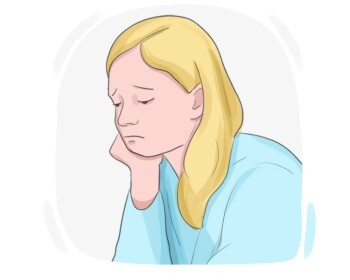
sad or not satisfied with one's situation
nešťastný
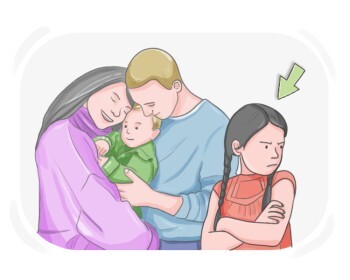
feeling angry and unhappy because someone else has what we want
žárlivý,závistivý
Když jeho kolega dostal zvýšení platu, nemohl si pomoci, ale cítil závist.
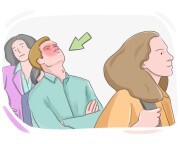
(of a person) feeling great anger
rozzuřilý,rozlobený
Byl rozzlobený na sebe, že udělal tak drahou chybu.
(of a person) feeling worried because of thinking something unpleasant might happen
úzkostný,znepokojený
Byl úzkostlivý z cestování samotného poprvé, obával se orientace v neznámých místech.
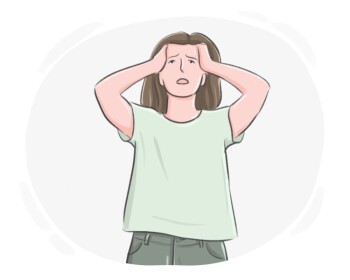
feeling very unhappy or uncomfortable
nešťastný,bídný
Vypadala bídně po hádce, její tvář byla bledá a rozplakaná.
feeling embarrassed or sorry about one's actions, characteristics, or circumstances
zahanbený,rozpačitý
Cítila se hluboce zahanbená, když si uvědomila, že zranila city své přítelkyně.
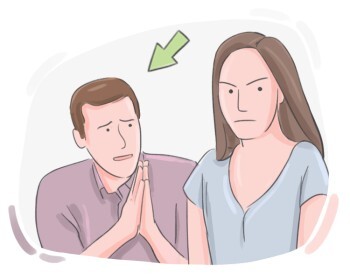
(of a person) not confident about oneself or one's skills and abilities
nejistý,mít nízké sebevědomí
Byla nejistá ohledně svých řečnických dovedností, kdykoli to bylo možné, vyhýbala se příležitostem veřejného vystupování.
feeling nervous or worried, especially about something unpleasant that might happen soon
neklidný,nesvůj
Byl neklidný kvůli podivným zvukům vycházejícím ze sklepa, obával se, že by tam mohl být vetřelec.

feeling uneasy or nervous
neklidný,nervózní
Horké a vlhké počasí způsobilo, že se všichni cítili nepokojní a nepohodlně.
feeling annoyed or angry
naštvaný,podrážděný
Byla naštvaná na svého bratra, že si půjčil její notebook, aniž by se zeptal.
feeling extremely angry or irritated
pořádně naštvaný, velmi podrážděný
Když jsem zjistil, co se pokazilo, byl jsem pořádně naštvaný.
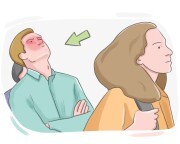
very angry or fed up with something
naštvaný,rozčílený
Vypadal naštvaně poté, co se k němu jeho šéf choval nespravedlivě.
showing a deep sense of sadness or sorrow
melancholický,smutný
V deštivých dnech cítila melancholii, když vzpomínala na minulé vzpomínky a ztracené příležitosti.
feeling hopeless, discouraged, or in low spirits, often due to a sense of failure or loss
sklíčený,odražený
Neúspěch jeho podnikání ho nechal sklíčeného a nejistého ohledně budoucnosti.
feeling disappointed and sad, especially due to experiencing an unexpected failure
sklíčený,odražený
Stala se sklíčenou, když zjistila, že její umělecké dílo bylo poškozeno.
experiencing intense sadness or disappointment due to a broken romantic relationship or other loss
se zlomeným srdcem,beznadějný
Vypadal se zlomeným srdcem poté, co se jeho nejlepší přítel přestěhoval do jiné země.
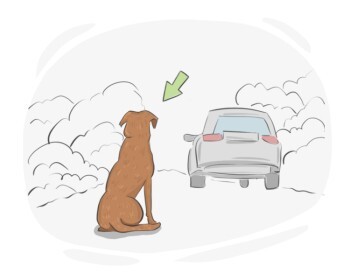
feeling abandoned or hopeless
beznadějný,opuštěný
Vypadala opuštěně, když seděla sama v parku a dívala se, jak si ostatní užívají svou společnost.
| Přídavná Jména Vyvolávající Určité Pocity | |||
|---|---|---|---|
| Přídavná Jména Pozitivních Emocí | Přídavná jména negativních emocí | Přídavná Jména Pozitivní Evokace | Přídavná Jména Negativní Evokace |
| Přídavná jména smutku a znechucení | Přídavná Jména Strachu a Úzkosti | Přídavná Jména Pozitivní Reakce | Přídavná Jména Negativní Reakce |
