

pattern

SAT 시험 필수 어휘 - 유용성과 창조

여기에서는 SAT를 잘 보기 위해 필요한 "forge", "applicable", "makeshift" 등과 같은 유용성과 창조와 관련된 몇 가지 영어 단어를 배우게 됩니다.

리뷰

플래시카드

형태

철자법

퀴즈

학습 시작
SAT Exam Essential Vocabulary
accessory
accessory
[명사]

something extra that adds to the usefulness or effectiveness of another item

액세서리, 보충

액세서리, 보충

Ex: The car charger is a handy accessory for keeping devices powered during road trips. 
닫기
로그인
merit
merit
[명사]

the quality or worth of something, typically based on its excellence, value, or achievements

공로, 가치

공로, 가치

Ex: She received a scholarship based on her academic merit and extracurricular achievements. 
닫기
로그인
application
application
[명사]

the act of utilizing something effectively for a specific purpose or task

적용, 사용

적용, 사용

Ex: The application of fertilizer improved the crop yield. 
닫기
로그인
backup
backup
[명사]

(computing) a copy of computer data that can be used to restore lost or damaged data

백업, 예비 복사본

백업, 예비 복사본

Ex: It's important to create regular backups of your files to prevent data loss in case of a computer crash. 
닫기
로그인
makeshift
makeshift
[명사]

a thing that is used as an inferior and temporary substitute for something that is not available

임시 해결책, 임시 대체품

임시 해결책, 임시 대체품

Ex: They used a makeshift as a table during the camping trip, improvising with available materials. 
닫기
로그인
stopgap
stopgap
[명사]

a temporary solution or measure used to address an immediate problem or issue

임시 방편, 일시적인 해결책

임시 방편, 일시적인 해결책

Ex: The makeshift tent served as a stopgap until permanent shelters could be built. 
닫기
로그인
efficiency
efficiency
[명사]

the ability to act or function with minimum effort, time, and resources

효율,  효과

효율, 효과

Ex: Home renovations took less time with the contractor's efficiency in planning and order of tasks. 
닫기
로그인
uptake
uptake
[명사]

the process of absorbing, using, or taking in something, such as nutrients, information, or resources

흡수, 섭취

흡수, 섭취

Ex: The plant's efficient uptake of water and nutrients helped it thrive in the dry soil. 
닫기
로그인
remainder
remainder
[명사]

the part of something that remains after the main part has been used or taken away

나머지

나머지

Ex: After the meeting, only a small remainder of sandwiches was left on the platter. 
닫기
로그인
contribution
contribution
[명사]

someone or something's role in achieving a specific result, particularly a positive one

기여

기여

Ex: Employees are rewarded based on their individual contributions to the company's success. 
닫기
로그인
complementary
complementary
[형용사]

useful to each other or enhancing each other's qualities when brought together

보완적인, 서로 보완하는

보완적인, 서로 보완하는

Ex: The two colors are complementary and create a harmonious contrast in the painting. 
닫기
로그인
impractical
impractical
[형용사]

impossible to do or achieve

비실용적인, 달성 불가능한

비실용적인, 달성 불가능한

Ex: Building a skyscraper on that narrow plot of land is impractical. 
닫기
로그인
to [be] instrumental in  {sth}

to be an important factor or contributor to a specific result

Ex: Her guidance was instrumental in the project's success. 
닫기
로그인
versatile
versatile
[형용사]

(of things) able to be used or applied in multiple ways or for various purposes

다재다능한,  다양한 방법이나 목적으로 사용되거나 적용될 수 있는

다재다능한, 다양한 방법이나 목적으로 사용되거나 적용될 수 있는

Ex: A versatile wardrobe is essential for traveling, as it allows you to mix and match different outfits. 
닫기
로그인
interchangeable
interchangeable
[형용사]

capable of being used or exchanged in place of one another

호환 가능한, 서로 바꿔 쓸 수 있는

호환 가능한, 서로 바꿔 쓸 수 있는

Ex: These two words are not completely interchangeable in formal writing. 
닫기
로그인
applicable
applicable
[형용사]

relevant to someone or something in a particular context or situation

적용 가능한, 관련된

적용 가능한, 관련된

Ex: Please read the instructions carefully and fill out only the sections applicable to your situation. 
닫기
로그인
substitute
substitute
[형용사]

acting as an alternative or replacement for something or somone else

대체하는, 대리의

대체하는, 대리의

Ex: The substitute teacher filled in admirably while the regular teacher was on leave. 
닫기
로그인
leftover
leftover
[형용사]

remaining after the main part has been used or taken away

남은, 잔여의

남은, 잔여의

Ex: We had leftover pizza for dinner last night. 
닫기
로그인
appropriate
appropriate
[형용사]

suitable or acceptable for a given situation or purpose

적절한, 알맞은

적절한, 알맞은

Ex: Wearing casual attire is appropriate for a picnic. 
닫기
로그인
alternative
alternative
[형용사]

available as an option for something else

대체적인, 예비의

대체적인, 예비의

Ex: They provided an alternative plan in case the weather turned bad. 
닫기
로그인
impractical
impractical
[형용사]

impossible to do or achieve

비실용적인, 달성 불가능한

비실용적인, 달성 불가능한

Ex: Building a skyscraper on that narrow plot of land is impractical. 
닫기
로그인
supplementary
supplementary
[형용사]

provided to improve or enhance something that already exists

보충적인, 추가의

보충적인, 추가의

Ex: The teacher handed out supplementary worksheets to help students grasp the more challenging concepts. 
닫기
로그인
serviceable
serviceable
[형용사]

able to be used effectively or put to practical use

사용할 수 있는, 기능적인

사용할 수 있는, 기능적인

Ex: Despite its age, the car remained serviceable for daily commuting. 
닫기
로그인
informative
informative
[형용사]

providing useful or valuable information

유익한, 정보를 제공하는

유익한, 정보를 제공하는

Ex: The informative article offered insights into the latest scientific discoveries. 
닫기
로그인
to utilize
to utilize
[동사]

to put to effective use

활용하다, 사용하다

활용하다, 사용하다

Ex: The chef demonstrated how to utilize leftover ingredients to create a delicious meal. 
닫기
로그인
to implement
to implement
[동사]

to apply or utilize a device, tool, or method for a specific purpose

시행하다, 사용하다

시행하다, 사용하다

Ex: The chef implements a new cooking technique to enhance the flavor of the dish. 
닫기
로그인
to deploy
to deploy
[동사]

to put into use or action

배치하다, 시행하다

배치하다, 시행하다

Ex: The company decided to deploy its new marketing strategy to increase brand awareness. 
닫기
로그인
to adopt
to adopt
[동사]

to accept, embrace, or incorporate a particular idea, practice, or belief into one's own behavior or lifestyle

채택하다, 받아들이다

채택하다, 받아들이다

Ex: The organization currently adopts eco-friendly policies to reduce its carbon footprint. 
닫기
로그인
to derive
to derive
[동사]

to get something from a specific source

얻다, 도출하다

얻다, 도출하다

Ex: She was able to derive valuable insights from her research on sustainable energy. 
닫기
로그인
to manipulate

to skillfully control or work with information, a system, tool, etc.

조작하다

조작하다

Ex: She's able to manipulate complex data sets to extract meaningful insights for her research. 
닫기
로그인
to double
to double
[동사]

to serve two purposes or functions simultaneously

또한 역할을 하다

또한 역할을 하다

Ex: The new smartphone case doubles as a wallet, allowing for convenient storage of cards and cash. 
닫기
로그인
to harness
to harness
[동사]

to use the power or potential of something effectively for a specific purpose

활용하다, 이용하다

활용하다, 이용하다

Ex: The team harnessed solar energy to power their remote research station in the desert. 
닫기
로그인
to retrieve
to retrieve
[동사]

to go and get back something that was lost or left behind

되찾다, 회수하다

되찾다, 회수하다

Ex: She had to retrieve her keys from the office after accidentally leaving them on her desk. 
닫기
로그인
to reclaim
to reclaim
[동사]

to recycle and obtain useful material from waste

회수하다, 재활용하다

회수하다, 재활용하다

Ex: The company reclaimed plastic bottles from landfills and turned them into new packaging materials. 
닫기
로그인
to supersede
to supersede
[동사]

to take something or someone's position or place, particularly due to being more effective or up-to-date

대체하다, 대신하다

대체하다, 대신하다

Ex: The new company guidelines will supersede the outdated policies from last year. 
닫기
로그인
to overtax
to overtax
[동사]

to impose a heavy tax on something or someone

과도하게 과세하다, 무거운 세금을 부과하다

과도하게 과세하다, 무거운 세금을 부과하다

Ex: The new policy threatens to overtax middle-income families, who are already struggling with rising costs. 
닫기
로그인
to exploit
to exploit
[동사]

to utilize or take full advantage of something, often resources, opportunities, or skills

활용하다, 이용하다

활용하다, 이용하다

Ex: The innovative chef knew how to exploit the diverse flavors of exotic spices to create unique and delightful dishes. 
닫기
로그인
to construct
to construct
[동사]

to create something by organizing and combining ideas or components in a logical and coherent way

구축하다, 구성하다

구축하다, 구성하다

Ex: The author constructed a compelling narrative by carefully weaving together multiple plotlines and character arcs. 
닫기
로그인
to found
to found
[동사]

to establish or set up the initial structure of something

설립하다, 창설하다

설립하다, 창설하다

Ex: The pioneers found a settlement on the frontier to cultivate new farmland. 
닫기
로그인
to generate
to generate
[동사]

to produce energy, such as heat, electricity, etc.

생성하다, 발전하다

생성하다, 발전하다

Ex: The solar panels on the roof generate electricity for the entire house. 
닫기
로그인
to spawn
to spawn
[동사]

to cause something to be created, particularly in large numbers

낳다, 생기게 하다

낳다, 생기게 하다

Ex: The new policy is expected to spawn numerous job opportunities in the tech sector. 
닫기
로그인
to contrive
to contrive
[동사]

to cleverly come up with an idea, theory, or plan using creative thinking

고안하다, 꾸미다

고안하다, 꾸미다

Ex: The detective contrived a clever plan to solve the mysterious case. 
닫기
로그인
to devise
to devise
[동사]

to design or invent a new thing or method after much thinking

고안하다, 설계하다

고안하다, 설계하다

Ex: The engineer devised a groundbreaking solution to the complex engineering problem. 
닫기
로그인
to trigger
to trigger
[동사]

to cause something to happen

촉발하다, 일으키다

촉발하다, 일으키다

Ex: The economic downturn triggered a series of layoffs within the company. 
닫기
로그인
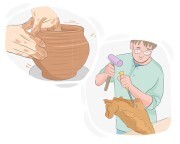
to craft
to craft
[동사]

to skillfully make something, particularly with the hands

만들다, 제작하다

만들다, 제작하다

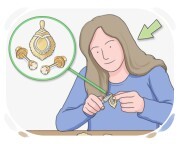
Ex: She crafts handmade jewelry, carefully assembling each piece with precision. 
닫기
로그인
to establish
to establish
[동사]

to create a company or organization with the intention of running it over the long term

설립하다, 창립하다

설립하다, 창립하다

Ex: After years of planning, they finally established their own tech startup in Silicon Valley. 
닫기
로그인
to fabricate
to fabricate
[동사]

to create or make up something, especially with the intent to deceive

꾸며내다, 조작하다

꾸며내다, 조작하다

Ex: The journalist lost her credibility when it was discovered she'd fabricate stories. 
닫기
로그인
to originate
to originate
[동사]

to come up with or develop something new

창조하다, 개발하다

창조하다, 개발하다

Ex: She originated the concept for the new marketing campaign. 
닫기
로그인
to launch
to launch
[동사]

to make a new product or provide a new service and introduce it to the public

출시하다, 도입하다

출시하다, 도입하다

Ex: The company will launch its new smartphone next week. 
닫기
로그인
to institute
to institute
[동사]

to establish or introduce something, such as a policy or program

설립하다, 제정하다

설립하다, 제정하다

Ex: They instituted new safety protocols to prevent accidents. 
닫기
로그인
to repurpose
to repurpose
[동사]

to adapt or modify something for a different use or purpose than its original one

재활용하다, 용도를 변경하다

재활용하다, 용도를 변경하다

Ex: She repurposed old mason jars into stylish candle holders for the party decorations. 
닫기
로그인
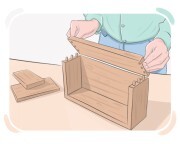
to assemble
to assemble
[동사]

to make something by putting separate parts of something together

조립하다, 모으다

조립하다, 모으다

Ex: The team of workers assembled the furniture according to the provided instructions. 
닫기
로그인
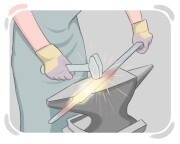
to forge
to forge
[동사]

to make something from a piece of metal object by heating it until it becomes soft and then beating it with a hammer

단조하다, 만들다

단조하다, 만들다

Ex: Ancient warriors relied on skilled artisans to forge their weapons. 
닫기
로그인
to fashion
to fashion
[동사]

to create or make something by putting different parts or materials together

만들다, 디자인하다

만들다, 디자인하다

Ex: Artisans fashion intricate jewelry by combining various metals and gemstones. 
닫기
로그인
to cradle
to cradle
[동사]

to be the birthplace or starting point of something significant

요람, 의 발상지이다

요람, 의 발상지이다

Ex: Ancient Greece is often said to cradle the foundations of Western philosophy and democracy. 
닫기
로그인
LanGeek
LanGeek 앱 다운로드