
500 Najczęstszych Angielskich Czasowników - Top 26 - 50 Czasowników
Tutaj otrzymujesz część 2 listy najczęściej używanych czasowników w języku angielskim, takich jak "zdarzyć się", "pomóc" i "opuścić".
Przegląd
Fiszki
formy
Pisownia
Test

to search and discover something or someone that we have lost or do not know the location of

znaleźć, odnaleźć
Czy znalazłeś pilot do telewizora?
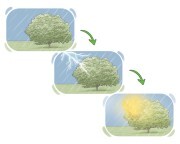
to come into existence by chance or as a consequence
zdarzyć się, wydarzyć się
Korki zdarzają się każdego ranka w drodze do pracy.
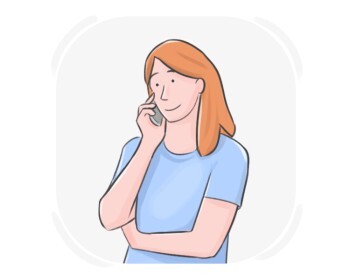
to telephone a place or person
dzwonić, telefonować
Czy możesz oddzwonić do mnie za dziesięć minut?

to move something or someone from one place or position to another
kłaść, umieszczać
Czy ona włożyła kwiaty do wazonu?
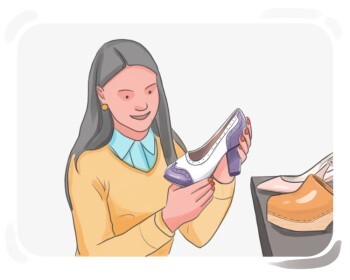
to feel that someone or something is good, enjoyable, or interesting
lubić, cieszyć się
Nie lubi uczucia bycia pogania.

to give someone what they need
pomagać, wspierać
Ona pomogła mu przenieść pudełka na górę.

to have very strong feelings for someone or something that is important to us and we like a lot and want to take care of
kochać, uwielbiać
On kocha swojego psa, Maxa, i codziennie zabiera go na długie spacery.
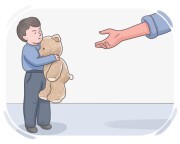
to have or continue to have something
zatrzymać, przechowywać
Czy potrzebujesz tego dokumentu z powrotem, czy mogę go zatrzymać dla moich rekordów?
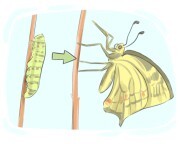
to start or grow to be
stać się, zostać
Szkoli się, aby zostać pilotem w szkole lotniczej.
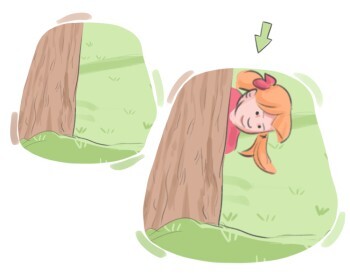
to make something visible or noticeable
pokazać, zaprezentować
Czy pokazałeś swój nowy obraz nauczycielowi sztuki?
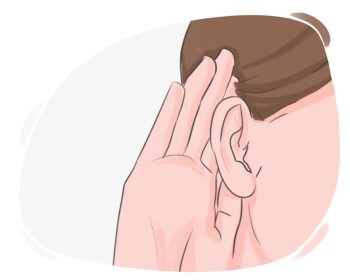
to notice the sound a person or thing is making
słyszeć, usłyszeć
Usłyszałem kroki za sobą i szybko się odwróciłem.

to use words in a question form or tone to get answers from someone
pytać, zapytać
Zapytała o harmonogram dnia.
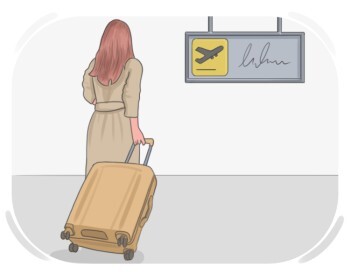
to go away from somewhere
wyjść, opuścić
Ona opuściła swoich przyjaciół na imprezie bez pożegnania.

to look at a thing or person and pay attention to it for some time
oglądać, obserwować
Usiadł na ławce w parku i oglądał zachód słońca.
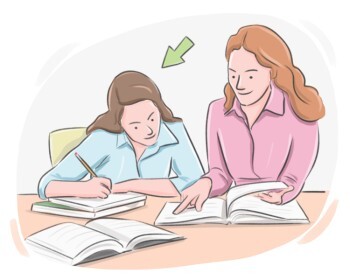
to become knowledgeable or skilled in something by doing it, studying, or being taught
uczyć się, studiować
Nauczył się cennych umiejętności negocjacyjnych, obserwując doświadczonych negocjatorów w akcji.
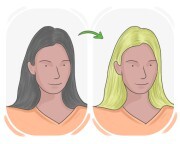
to make a person or thing different
zmieniać, modyfikować
Zakupy online zmieniły sposób, w jaki ludzie kupują towary i usługi.
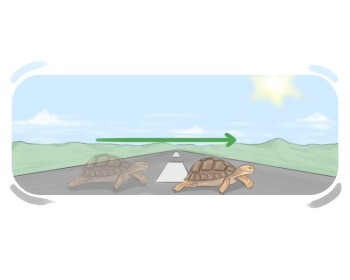
to change your position or location
poruszać się, przemieszczać się
Szybko się poruszyła, aby uniknąć spadającego przedmiotu.
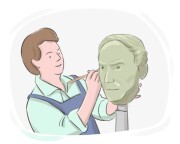
to bring something into existence or make something happen
tworzyć, zakładać
Wielu przedsiębiorców pragnie tworzyć udane firmy.

to have your home somewhere specific
mieszkać, żyć
Ona woli żyć w cichej wsi z dala od zatłoczonych miast.
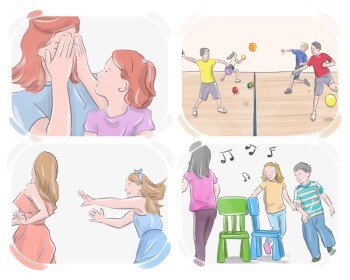
to enjoy yourself and do things for fun, like children
bawić się, grać
Grupa dzieci bawiła się na placu zabaw.
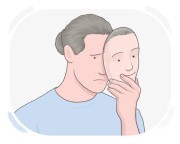
to appear to be or do something particular
wydawać się, zdawać się
Jakkolwiek zaskakujące może się to wydawać, naprawdę lubię prać.

to know something's meaning, particularly something that someone says
rozumieć, pojmować
Czy możesz mi pomóc zrozumieć to równanie?
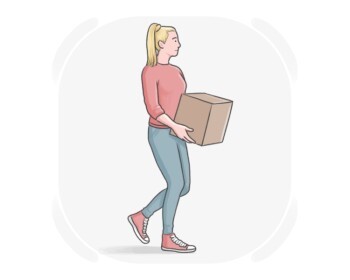
to come to a place with someone or something
przynieść, przyprowadzić
Czy możemy zabrać nasze zwierzęta do parku?
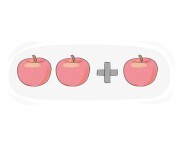
to put things together to make them bigger in size or quantity
dodawać, sumować
Dodatkowy akapit został dodany do raportu w celu uzyskania dodatkowych informacji.
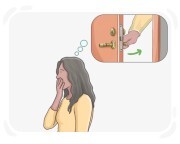
to bring a type of information from the past to our mind again
pamiętać, przypominać sobie
Czy możesz pamiętać nazwę książki, o której rozmawialiśmy?
