500 Most Common English Verbs - Top 26 - 50 Verbs

Here you are provided with the part 2 of the list of the most common verbs in English such as "happen", "help", and "leave".

review-disable

review

flashcard-disable

flashcard

spelling-disable

spelling

quiz-disable

quiz

start-learning
500 Most Common English Verbs
to find [verb]

to search and discover something or someone that we have lost or do not know the location of
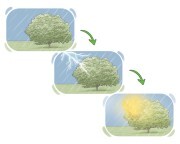
Ex: She says that she ca n't find her phone anywhere , but I do n't believe her .

to come into existence by chance or as a consequence

Ex: The meeting happened because everyone agreed it was necessary .
to call [verb]

to telephone a place or person

Ex: Can you call the office and ask for the schedule ?
to put [verb]

to move something or someone from one place or position to another
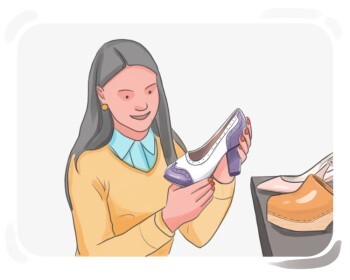
Ex: She put the child in the car seat .
to like [verb]

to feel that someone or something is good, enjoyable, or interesting

Ex: I like the idea of living in a big city .
to help [verb]

to give someone what they need

Ex: The teacher helped the student with her homework .
to love [verb]

to have very strong feelings for someone or something that is important to us and we like a lot and want to take care of
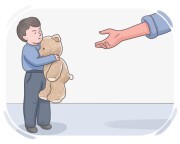
Ex: She knew he was the one she loved when he supported her through a difficult time .
to keep [verb]

to have or continue to have something
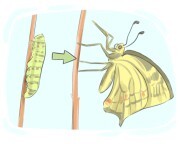
Ex: Make sure to keep a spare set of keys in case you get locked out .

to start or grow to be

Ex: I became interested in photography after attending a workshop .
to show [verb]

to make something visible or noticeable

Ex: If there are any pictures from the event , please show them to the attendees .
to hear [verb]

to notice the sound a person or thing is making

Ex: We heard shouting coming from the other house .
to ask [verb]

to use words in a question form or tone to get answers from someone
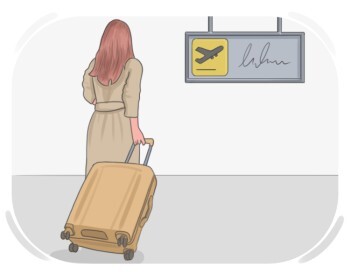
Ex: We should ask our neighbors if they need any help during the move .
to leave [verb]

to go away from somewhere

Ex: The bus will leave in five minutes , so be quick !
to watch [verb]

to look at a thing or person and pay attention to it for some time
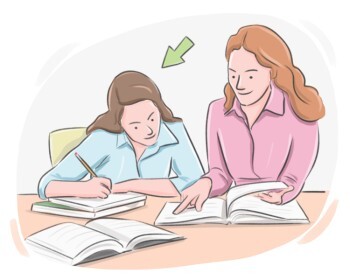
Ex: The audience eagerly watched the actors on stage during the play .
to learn [verb]

to become knowledgeable or skilled in something by doing it, studying, or being taught
Ex: They are learning about history in their school lessons .

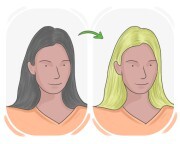
to make a person or thing different

Ex: The accident changed everything for him .
to move [verb]

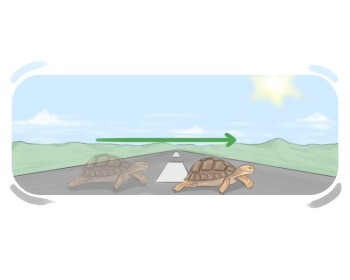
to change your position or location

Ex: The cat moved swiftly across the room .

to bring something into existence or make something happen

Ex: The scientists created a groundbreaking vaccine for the disease .
to live [verb]

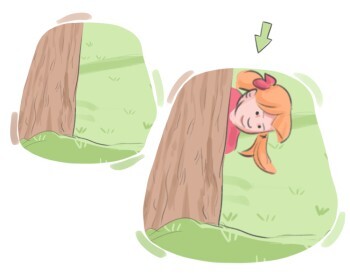
to have your home somewhere specific

Ex:
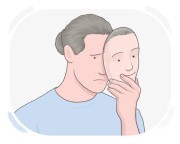
to play [verb]

to enjoy yourself and do things for fun, like children
Ex:
to seem [verb]

to appear to be or do something particular
Ex: It may seem like a lot of work , but the end result will be rewarding .

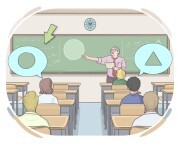
to know something's meaning, particularly something that someone says
Ex: He did n't understand the contract he was agreeing to .
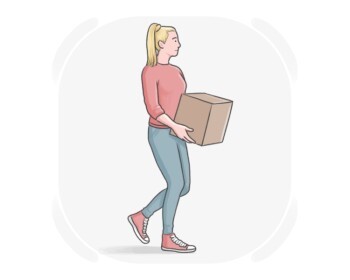
to bring [verb]

to come to a place with someone or something

Ex: I will bring the snacks for the picnic .
to add [verb]

to put things together to make them bigger in size or quantity
Ex: The teacher will add new examples to clarify the concept .

to bring a type of information from the past to our mind again

Ex: I remember the smell of freshly baked cookies in my grandmother 's kitchen .