
pattern

Kluczowe słownictwo dotyczące zmysłów - Smak

Przegląd

Fiszki

formy

Pisownia

Test

Zacznij naukę
Key Vocabulary for Senses
to send
to send
[Czasownik]

to have a person, letter, or package physically delivered from one location to another, specifically by mail

wysłać
wysłać

Ex: I need to send this important document to the head office by express mail. 
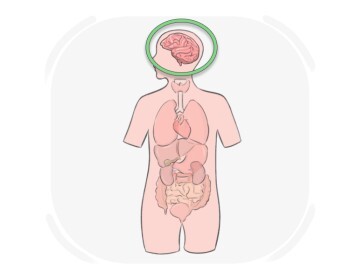
brain
brain
[Rzeczownik]

the body part that is inside our head controlling how we feel, think, move, etc.

mózg

mózg

Ex: He suffered a traumatic brain injury in a car accident. 
to tell
to tell
[Czasownik]

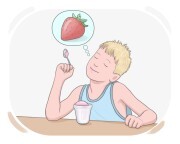
to use words and give someone information

powiedzieć, opowiedzieć
powiedzieć, opowiedzieć

Ex: Did he tell you about the new project? 
to taste
to taste
[Czasownik]

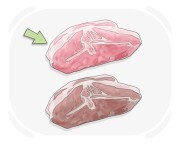
to have a specific flavor

smakować, mieć smak
smakować, mieć smak

Ex: The soup tastes delicious with the added herbs. 
fresh
fresh
[przymiotnik]

(of food) recently harvested, caught, or made

świeży, nowy
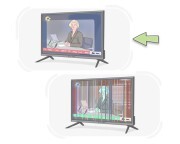
świeży, nowy

Ex: He made a smoothie with fresh bananas and blueberries. 
to work
to work
[Czasownik]

to operate or function properly

działać, pracować

działać, pracować

Ex: The elevator is not working, we have to take the stairs. 
smell
smell
[Rzeczownik]

the distinct quality sensed by the nose, defining the essence of one's surroundings

zapach, aromat
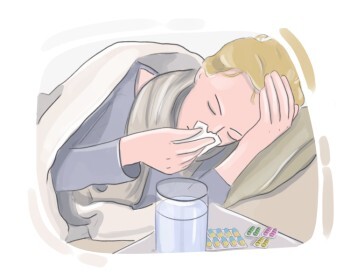
zapach, aromat

cold
cold
[Rzeczownik]

a mild disease that we usually get when viruses affect our body and make us cough, sneeze, or have fever

przeziębienie, katar

przeziębienie, katar

Ex: During winter, many people catch a cold. 
nose
nose
[Rzeczownik]

the body part that is in the middle of our face and we use to smell and breathe

nos, nozdrze

nos, nozdrze

Ex: He held his nose as he walked past the garbage can. 
blocked
blocked
[przymiotnik]

obstructed or closed off, preventing movement, flow, view or access

zablokowany, zatkany

zablokowany, zatkany

Ex: The sink is blocked with food scraps. 
because
because
[Spójnik]

used for introducing the reason of something

ponieważ, bo

ponieważ, bo

Ex: He got a promotion because he worked hard. 
to [take] care of {sb/sth}

to look after or manage someone or something, ensuring their needs are met
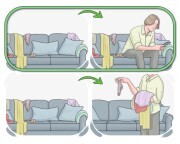
Ex: My neighbor has agreed to take care of my dog while I'm on vacation. 
to keep
to keep
[Czasownik]

to make someone or something stay or remain in a specific state, position, or condition

utrzymywać, zachowywać
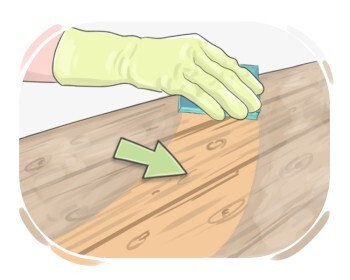
utrzymywać, zachowywać

Ex: She keeps her room tidy. 
clean
clean
[przymiotnik]

not having any bacteria, marks, or dirt

czysty, sterylny
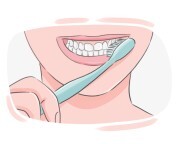
czysty, sterylny

Ex: He washed his hands to keep them clean. 
to brush
to brush
[Czasownik]

to use a toothbrush to clean and remove plaque or food particles from the teeth and gums

szczotkować
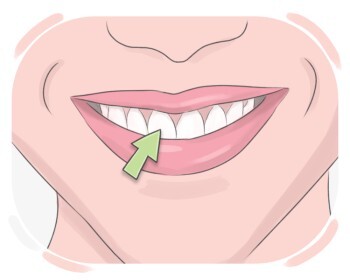
szczotkować

Ex: He brushes his teeth every morning and night to keep them clean. 
tooth
tooth
[Rzeczownik]

one of the things in our mouth that are hard and white and we use to chew and bite food with

ząb

ząb

Ex: He felt a sharp pain in his tooth and scheduled a dental appointment. 
healthy
healthy
[przymiotnik]

being in good condition and free from disease or damage

zdrowy, krzepki

zdrowy, krzepki

Ex: The forest has a healthy ecosystem with a variety of species. 
good
good
[przymiotnik]

helping to improve or support health, happiness, or overall quality of life

dobry, korzystny
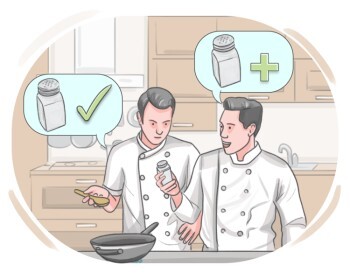
dobry, korzystny

Ex: Eating fresh vegetables is good for your health. 
important
important
[przymiotnik]

having a lot of value

ważny, kluczowy
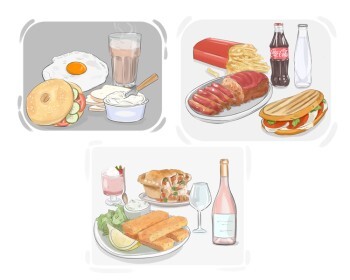
ważny, kluczowy

Ex: Conserving water is important for the sustainable use of natural resources. 
meal
meal
[Rzeczownik]

the food that we eat regularly during different times of day, such as breakfast, lunch, or dinner

posiłek, jedzenie
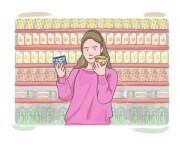
posiłek, jedzenie

Ex: I cooked a delicious meal of grilled chicken with roasted vegetables. 
to choose
to choose
[Czasownik]

to decide what we want to have or what is best for us from a group of options

wybierać, selekcjonować

wybierać, selekcjonować

Ex: When you go shopping, remember to choose quality over quantity. 
to stay
to stay
[Czasownik]

to continue to be in a particular condition or state

pozostać, zostać
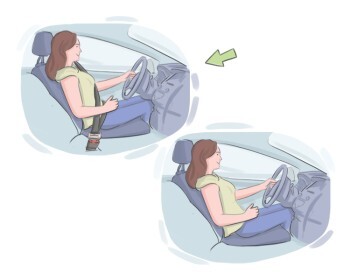
pozostać, zostać

Ex: Despite the challenges, she managed to stay calm throughout the emergency. 
safe
safe
[przymiotnik]

protected from any danger

bezpieczny, chroniony

bezpieczny, chroniony

Ex: The children are quite safe here, playing under the watchful eye of their parents. 
to notice
to notice
[Czasownik]

to become aware of something through seeing, hearing, or feeling it

zauważyć, dostrzegać

zauważyć, dostrzegać

Ex: She didn’t notice the quiet hum of the air conditioner until the power went out. 
bad
bad
[przymiotnik]

(of foodstuffs) not in an edible or usable condition

zły, zepsuty

zły, zepsuty

spoiled
spoiled
[przymiotnik]

(of food or drink) having gone bad or become unsuitable for consumption

zepsuty, zjełczały

zepsuty, zjełczały

Ex: The milk smelled sour and was clearly spoiled. 
taste
taste
[Rzeczownik]

the sense that we feel when we put food in our mouth

smak
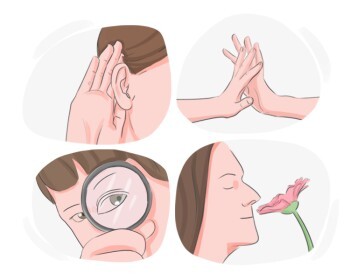
smak

Ex: He liked the complex taste of the wine. 
sense
sense
[Rzeczownik]

any of the five natural abilities of sight, hearing, smell, touch, and taste

zmysł, postrzeganie

zmysł, postrzeganie

Ex: Sight is a sense that allows us to see the world around us. 
to help
to help
[Czasownik]

to make something easier, particularly by improving the situation

pomagać,  ułatwiać

pomagać, ułatwiać

Ex: Seeking therapy can help improve mental health. 
to know
to know
[Czasownik]

to have some information about something

wiedzieć, znać
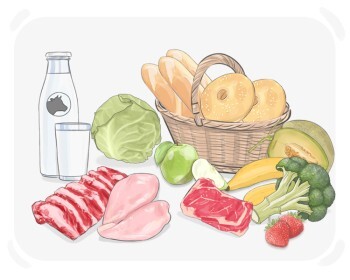
wiedzieć, znać

Ex: Do you know where the nearest gas station is? 
food
food
[Rzeczownik]

things that people and animals eat, such as meat or vegetables

jedzenie, żywność
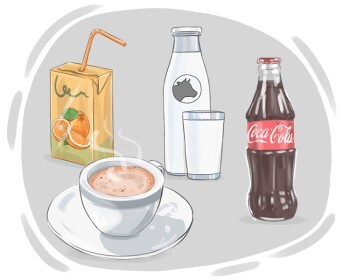
jedzenie, żywność

Ex: He enjoyed trying new foods while traveling abroad. 
drink
drink
[Rzeczownik]

any liquid that we can drink

napój, picie

napój, picie

Ex: She poured herself a refreshing drink after a long day. 
to feel
to feel
[Czasownik]

to give one a certain impression or sensation

czuć, sprawiać wrażenie
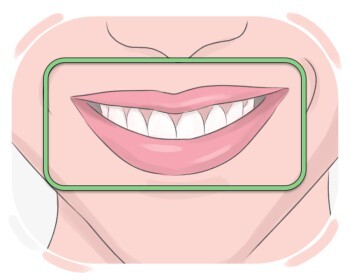
czuć, sprawiać wrażenie

Ex: Something about his story feels off, but I can't quite put my finger on it. 
mouth
mouth
[Rzeczownik]

our body part that we use for eating, speaking, and breathing

usta
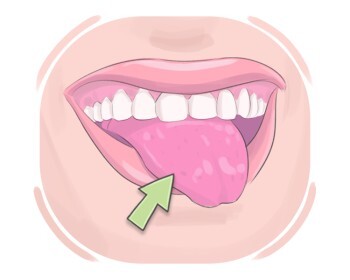
usta

Ex: He chewed his food with his mouth closed, showing good manners. 
tongue
tongue
[Rzeczownik]

the soft movable part inside the mouth used for tasting something or speaking

język, narząd smaku
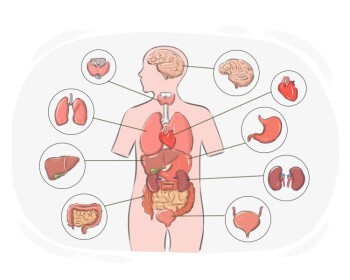
język, narząd smaku

Ex: Your tongue helps you taste different flavors like sweet and sour. 
body part
body part
[Rzeczownik]

any part of an organism such as an organ or extremity

część ciała

część ciała

tiny
tiny
[przymiotnik]

extremely small

malutki, drobny

malutki, drobny

Ex: He found a tiny seashell on the beach. 
spot
spot
[Rzeczownik]

a small usually round mark that has a different color or texture from the surface it is on

plama, znak

plama, znak

Ex: There was a dark spot on the carpet where the spilled coffee had dried. 
to call
to call
[Czasownik]

to give a name or title to someone or something

nazywać, mianować

nazywać, mianować

Ex: Do you know anyone called Emily? 
taste bud
taste bud
[Rzeczownik]

any of the group of sensory cells that are mainly on the tongue, making one recognize different tastes

kubek smakowy, pączek smakowy

kubek smakowy, pączek smakowy

Ex: Taste buds are sensory organs located on the tongue and other parts of the mouth that allow us to perceive different tastes. 
different
different
[przymiotnik]

not like another thing or person in form, quality, nature, etc.

inny
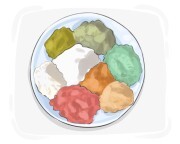
inny

Ex: He had a different perspective on the movie. 
flavor
flavor
[Rzeczownik]

the specific taste that a type of food or drink has

smak, aromat

smak, aromat

Ex: He loves the tangy flavor of pickles. 
a few
a few
[określnik]

used to indicate a small number of items, people, or things

kilka, niewiele
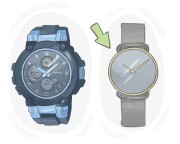
kilka, niewiele

Ex: I have a few books to return to the library. 
basic
basic
[przymiotnik]

having the simplest form without extra complexity

podstawowy, elementarny
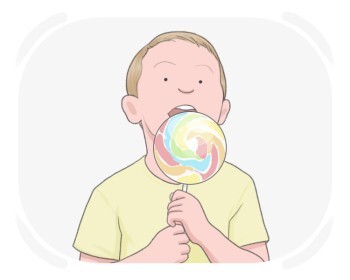
podstawowy, elementarny

Ex: The basic design of the house focuses on functionality over decoration. 
sweet
sweet
[przymiotnik]

containing sugar or having a taste that is like sugar

słodki, cukrowy
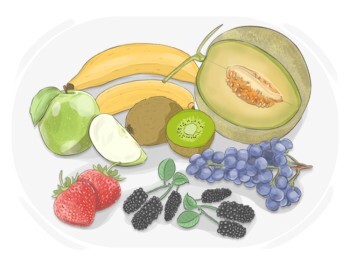
słodki, cukrowy

Ex: He likes the sweet taste of fresh strawberries. 
fruit
fruit
[Rzeczownik]

something we can eat that grows on trees, plants, or bushes

owoc
owoc

Ex: For a refreshing summer treat, try blending frozen fruit, like bananas and berries, into a creamy smoothie. 
chocolate
chocolate
[Rzeczownik]

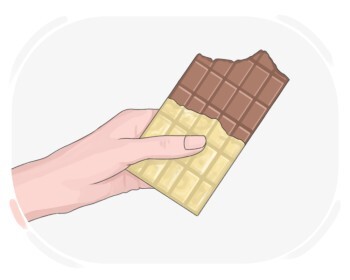
a food prepared from roasted, ground cacao beans

czekolada, kakao
czekolada, kakao

Ex: She used chocolate to make a rich dessert. 
salty
salty
[przymiotnik]

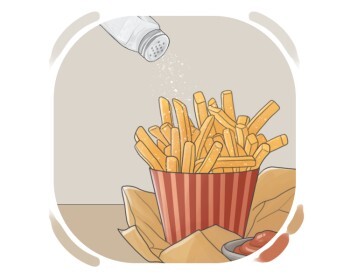
containing salt or having a taste that is like salt

słony, salinowy
słony, salinowy

Ex: He added too much salt, making the pasta salty. 
chip
chip
[Rzeczownik]

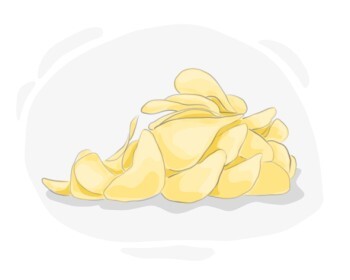
a thin slice of potato that is fried or baked until crispy and served as a snack

chips, cienki plasterek chrupiącego ziemniaka
chips, cienki plasterek chrupiącego ziemniaka

Ex: She enjoyed munching on a chip while watching her favorite show. 
soup
soup
[Rzeczownik]

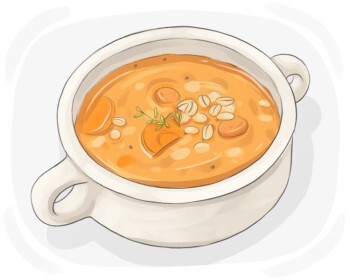
liquid food we make by cooking things like meat, fish, or vegetables in water

zupa, rosół
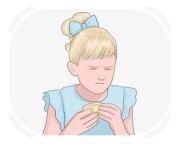
zupa, rosół

Ex: I always garnish my soup with a sprinkle of fresh herbs. 
sour
sour
[przymiotnik]

having a sharp acidic taste like lemon

kwaśny, kwasowy

kwaśny, kwasowy

Ex: The green apple had a delightfully sour and crisp flavor. 
sharp
sharp
[przymiotnik]

describing a flavor that is intense and tangy, often with a biting or pungent quality

ostry, kwaśny
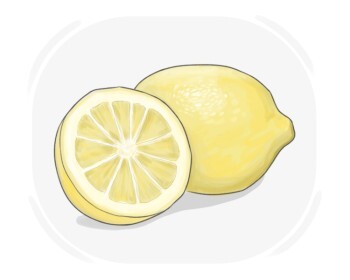
ostry, kwaśny

Ex: The sharp flavor of the aged vinegar made the salad dressing stand out. 
lemon
lemon
[Rzeczownik]

a juicy sour fruit that is round and has thick yellow skin

cytryna, limonka
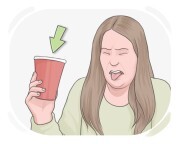
cytryna, limonka

Ex: A few drops of lemon juice in a glass of water make for a simple and refreshing detoxifying drink. 
bitter
bitter
[przymiotnik]

having a strong taste that is unpleasant and not sweet

gorzki, ostry
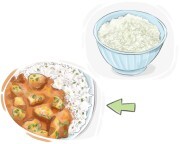
gorzki, ostry

Ex: The bitter taste of black coffee lingered on her tongue after she took a sip. 
strong
strong
[przymiotnik]

describing food that has a powerful, bold, or pungent taste or smell

mocny, intensywny
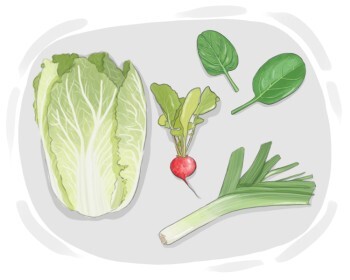
mocny, intensywny

Ex: The strong blue cheese odor filled the room. 
vegetable
vegetable
[Rzeczownik]

a plant or a part of it that we can eat either raw or cooked

warzywo

warzywo

Ex: Fresh vegetables like tomatoes, cucumbers, and lettuce make a delicious salad. 
dark chocolate
dark chocolate
[Rzeczownik]

dark colored chocolate that tastes slightly bitter, often with no milk added to it

ciemna czekolada, gorzka czekolada
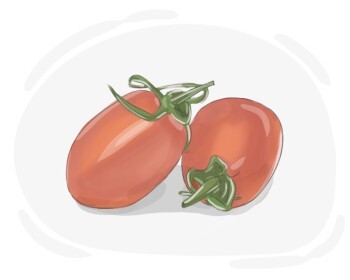
ciemna czekolada, gorzka czekolada

Ex: He was surprised by the bitterness of the dark chocolate. 
umami
umami
[Rzeczownik]

‌a taste that is not sour, bitter, salty, or sweet, found in some foods such as meat, etc.

umami, smak umami
umami, smak umami

Ex: The broth had a rich umami flavor, thanks to the addition of mushrooms and seaweed. 
cooked
cooked
[przymiotnik]

(of food) heated and ready for consumption

ugotowany, gotowy do spożycia
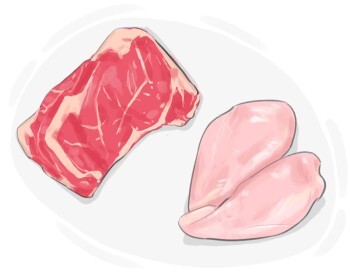
ugotowany, gotowy do spożycia

Ex: The cooked pasta was al dente, tender yet firm to the bite. 
meat
meat
[Rzeczownik]

the flesh of animals and birds that we can eat as food

mięso, ciało
mięso, ciało

Ex: Grilled chicken breast is a lean and flavorful meat option for a healthy dinner. 
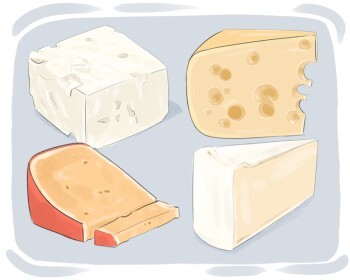
cheese
cheese
[Rzeczownik]

a soft or hard food made from milk that is usually yellow or white in color

ser, ser

ser, ser

Ex: Blue cheese crumbles are a tasty addition to burgers or salads. 
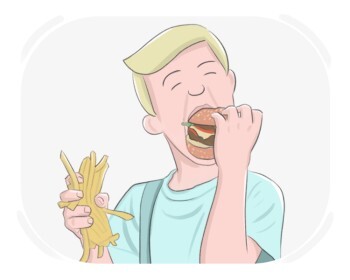
to enjoy
to enjoy
[Czasownik]

to take pleasure or find happiness in something or someone

cieszyć się, lubić
cieszyć się, lubić

Ex: She enjoys listening to classical music while working. 
to eat
to eat
[Czasownik]

to put food into the mouth, then chew and swallow it

jeść

jeść

Ex: They enjoy eating pizza on Friday nights. 
Kluczowe słownictwo dotyczące zmysłów
WzrokPrzesłuchanieSmakDotyk
Zapach
LanGeek
Pobierz aplikację LanGeek