
pattern

Słownictwo Azji Południowej i Centralnej - Bhutan

Przegląd

Fiszki

formy

Pisownia

Test

Zacznij naukę
South and Central Asia Vocabulary
breathtaking
breathtaking
[przymiotnik]

incredibly impressive or beautiful, often leaving one feeling amazed

zapierający dech w piersiach, oszałamiający

zapierający dech w piersiach, oszałamiający

Ex: The breathtaking speed of the roller coaster left riders exhilarated and breathless. 

Zapierająca dech w piersiach prędkość roller coastera pozostawiła pasażerów podekscytowanych i bez tchu.

landscape
landscape
[Rzeczownik]

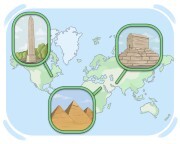
an area of scenery visible in a single view

krajobraz, panorama
krajobraz, panorama

Ex: The hikers admired the mountain landscape at sunrise. 
heritage
heritage
[Rzeczownik]

the traditions, customs, achievements, and cultural features passed down through generations within a society or community

Ex: Maria learned traditional recipes to stay connected with her family's heritage. 
commitment
commitment
[Rzeczownik]

the state of being dedicated to someone or something

zaangażowanie, oddanie

zaangażowanie, oddanie

Ex: His commitment to his studies earned him top honors and a scholarship to a prestigious university. 
green
green
[przymiotnik]

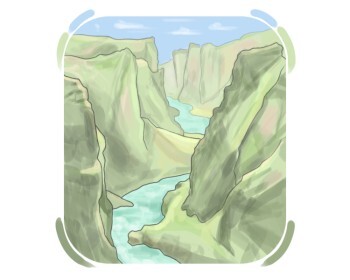
characterizing an area that is richly covered with natural plant life or foliage

zielony
zielony

Ex: The green landscape was dotted with wildflowers and dense foliage. 
valley
valley
[Rzeczownik]

a low area of land between mountains or hills, often with a river flowing through it

dolina, kotlina

dolina, kotlina

Ex: The sun set behind the hills, casting long shadows over the valley. 
way of life

a set of values, rules, standards, and principles typical to a person or group

to bring together

to assist individuals in solving disagreements and becoming closer

zbliżać, jednoczyć

zbliżać, jednoczyć

Ex: The mediator's intervention brought the disputing neighbors together, helping them find a compromise. 

Interwencja mediatora zbliżyła skłóconych sąsiadów, pomagając im znaleźć kompromis.
to divide
to divide
[Czasownik]

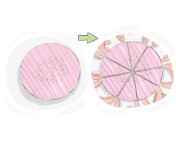
to be separated into parts, groups, etc.

dzielić, rozdzielać

dzielić, rozdzielać

Ex: Centuries ago, explorers discovered that the continent divided into distinct geographical regions. 
paved
paved
[przymiotnik]

covered with a firm surface, such as stones, bricks, or concrete, making it suitable for travel or use

wybrukowany, utwardzony

wybrukowany, utwardzony

Ex: The garden features a paved walkway leading to the fountain. 

W ogrodzie znajduje się wybrukowana ścieżka prowadząca do fontanny.

to hold on to
to hold on to
[Czasownik]

to retain, keep, or continue to have something

trzymać się, zachować

trzymać się, zachować

Ex: As the years pass, people often hold on to cherished memories that bring joy and nostalgia. 

Z upływem lat ludzie często trzymają się cennych wspomnień, które przynoszą radość i nostalgię.

to measure
to measure
[Czasownik]

to assess or determine the characteristics, quality, capacity, importance, or extent of something through evaluation or estimation

mierzyć, oceniać

mierzyć, oceniać

Ex: The teacher measures the students' progress through regular assessments. 
pillar
pillar
[Rzeczownik]

a fundamental principle or practice

filar, kolumna

filar, kolumna

in a way
in a way
[przysłówek]

in a particular manner or fashion, often used to describe a specific aspect or perspective

w pewnym sensie, w pewien sposób

w pewnym sensie, w pewien sposób

Ex: The mountain became a symbol of strength to me in a way, reminding me of the challenges I had overcome. 

Góra stała się w pewnym sensie symbolem siły dla mnie, przypominając mi o wyzwaniach, które pokonałem.

to admire
to admire
[Czasownik]

to respect and approve of someone or something because of their qualities, achievements, or actions

podziwiać, szanować

podziwiać, szanować

Ex: We admired the courage shown by the rescue workers. 
thick
thick
[przymiotnik]

(of plants) existing and growing densely close together with little space in between, creating a lush and impenetrable area

gęsty, zwarty

gęsty, zwarty

Ex: The garden's thick bushes provided a perfect hiding spot for the children. 
to require
to require
[Czasownik]

to make something mandatory or necessary

wymagać, potrzebować

wymagać, potrzebować

Ex: The event requires a ticket for entry. 
forested
forested
[przymiotnik]

covered with forest

zalesiony, pokryty lasem

zalesiony, pokryty lasem

snow leopard
snow leopard
[Rzeczownik]

a large, elusive, and endangered big cat species known for its unique beauty, adapted for life in high-altitude mountainous regions of Central Asia

irbis, pantera śnieżna

irbis, pantera śnieżna

Ex: The snow leopard has thick fur that helps it survive in cold climates. 
sacred
sacred
[przymiotnik]

connected with God or a god, and considered holy or deeply respected in religious contexts

święty, sakralny

święty, sakralny

Ex: The temple is a sacred place of worship for Hindus. 

Świątynia jest świętym miejscem kultu dla hindusów.

green
green
[przymiotnik]

focused on protecting the environment and promoting sustainability

zielony,  ekologiczny

zielony, ekologiczny

Ex: The green movement has gained significant support in recent years. 
monastery
monastery
[Rzeczownik]

a building where a group of monks live and pray

klasztor, opactwo

klasztor, opactwo

Ex: The monastery is known for its centuries-old manuscripts and religious artifacts. 

Klasztor słynie z wiekowych manuskryptów i artefaktów religijnych.

monk
monk
[Rzeczownik]

a man who belongs to a religious community and usually lives in a monastery

mnich,  zakonnik

mnich, zakonnik

Ex: A young monk showed Sarah around the ancient monastery. 
to practice
to practice
[Czasownik]

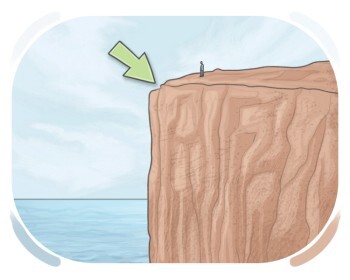
to follow or live according to the rules, beliefs, or customs of a religion or tradition

praktykować, przestrzegać
praktykować, przestrzegać

Ex: The community practices old cultural customs. 
cliff
cliff
[Rzeczownik]

a high, steep face of rock, especially beside the sea

klif,  urwisko

klif, urwisko

Ex: The house stands on a cliff overlooking the sea. 
robe
robe
[Rzeczownik]

a loose cloak worn on official occasions or special ceremonies

toga, płaszcz

toga, płaszcz

Ex: The king appeared in a richly decorated robe. 

Król pojawił się w bogato zdobionej szacie.
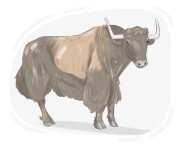
yak
yak
[Rzeczownik]

a large wild ox with shaggy coat and long horns that is domesticated in Tibet

jak, tybetański byk

jak, tybetański byk

Ex: The Tibetan plateau is home to many yaks, which are well-adapted to the harsh, cold climate. 
willing
willing
[przymiotnik]

interested or ready to do something

chętny, gotowy

chętny, gotowy

Ex: She was willing to lend a helping hand whenever her friends needed it. 
to invite in
to invite in
[Czasownik]

to ask someone to come inside and join one at a particular place, typically one's home

zaprosić kogoś do środka, poprosić kogoś by wszedł do domu lub miejsca

zaprosić kogoś do środka, poprosić kogoś by wszedł do domu lub miejsca

Ex: He offered to help carry her groceries and was invited in as a gesture of gratitude. 

Zaproponował pomoc w niesieniu jej zakupów i został zaproszony do środka jako wyraz wdzięczności.

to value
to value
[Czasownik]

to regard highly and consider something as important, beneficial, or worthy of appreciation

doceniać, cenić

doceniać, cenić

Ex: The organization values transparency in its communication practices. 
spirit
spirit
[Rzeczownik]

a core emotional or motivating force that shapes a person's character

duch, dusza

duch, dusza

Ex: Courage is a spirit that defines great leaders. 
environmentally friendly

referring to actions, products, or practices that aim to preserve or protect the natural environment

przyjazny dla środowiska, ekologiczny

przyjazny dla środowiska, ekologiczny

Ex: The packaging is entirely biodegradable, making it an environmentally friendly choice. 

Opakowanie jest w pełni biodegradowalne, co czyni je przyjaznym dla środowiska wyborem.

hydropower
hydropower
[Rzeczownik]

energy that is generated from the force of running water

energia wodna, hydroenergia

energia wodna, hydroenergia

carbon-negative
carbon-negative
[przymiotnik]

removing more carbon dioxide from the atmosphere than is produced by an activity, organization, or process

ujemny węglowo, o ujemnym śladzie węglowym
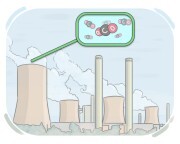
ujemny węglowo, o ujemnym śladzie węglowym

Ex: The facility operates as a carbon-negative energy plant. 
carbon dioxide
carbon dioxide
[Rzeczownik]

a type of gas with no color and smell that is produced by burning carbon or during breathing out

dwutlenek węgla, kwas węglowy

dwutlenek węgla, kwas węglowy

Ex: Scientists monitor carbon dioxide emissions to study climate change. 

Naukowcy monitorują emisje dwutlenku węgla, aby badać zmiany klimatu.
to absorb
to absorb
[Czasownik]

to take in a liquid, gas, or other substance, especially gradually

absorbować,  wchłaniać

absorbować, wchłaniać

Ex: This material absorbs moisture very well. 
to take in
to take in
[Czasownik]

to absorb a substance

wchłaniać, absorbować

wchłaniać, absorbować

Ex: The sponge took the spilled juice in without leaving any visible stains. 

Gąbka wchłonęła rozlany sok, nie pozostawiając widocznych plam.

when it comes to {sth}

used to refer to a particular topic or situation when discussing or considering something

Ex: When it comes to cooking, she is an expert. 
to prefer
to prefer
[Czasownik]

to want or choose one person or thing instead of another because of liking them more

preferować, woleć

preferować, woleć

Ex: She prefers the blue dress for the party because it's her favorite color. 
rather than
rather than
[Spójnik]

used to express a preference or choice between two alternatives

zamiast, raczej niż

zamiast, raczej niż

Ex: She decided to walk to work rather than take the bus. 

Postanowiła pójść do pracy pieszo, zamiast jechać autobusem.

to surf
to surf
[Czasownik]

to explore content or information on the internet or in other media without a specific goal

surfować, przeglądać

surfować, przeglądać

Ex: Unable to decide on a book to read, he spent the afternoon surfing his bookshelf. 

Nie mogąc zdecydować się na książkę do czytania, spędził popołudnie przeglądając swoją półkę z książkami.

welcoming
welcoming
[przymiotnik]

showing warmth and friendliness to a guest or visitor

gościnny, serdeczny

gościnny, serdeczny

Ex: The restaurant's staff were known for their welcoming demeanor, making diners feel valued and appreciated. 

Personel restauracji był znany ze swojego przyjaznego usposobienia, sprawiając, że goście czuli się doceniani i wartościowi.

LanGeek
Pobierz aplikację LanGeek