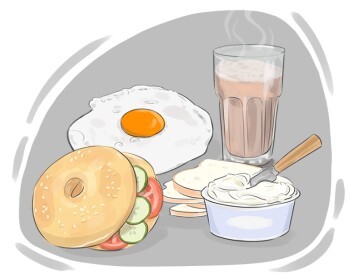
pattern

Książka Headway - Początkujący - Jednostka 6

Tutaj znajdziesz słownictwo z Unitu 6 w podręczniku Headway Beginner, takie jak "zawsze", "zajęty", "gotować" itp.

Przegląd

Fiszki

formy

Pisownia

Test

Zacznij naukę
Headway - Beginner
breakfast
breakfast
[Rzeczownik]

the first meal we have in the early hours of the day

śniadanie
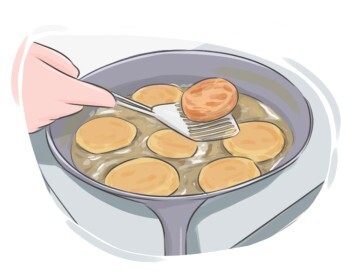
śniadanie

Ex: Breakfast plays an important role as it provides the body with the necessary energy and nutrients to start the day. 
to cook
to cook
[Czasownik]

to make food with heat

gotować, przygotowywać jedzenie

gotować, przygotowywać jedzenie

Ex: I love to cook scrambled eggs with cheese for breakfast. 
sausage
sausage
[Rzeczownik]

‌a mixture of meat, bread, etc. cut into small pieces and put into a long tube of skin, typically sold raw to be cooked before eating

kiełbasa, parówka

kiełbasa, parówka

Ex: She made a sausage and bean soup on a cold day. 

Zrobiła zupę z kiełbasą i fasolą w zimny dzień.

egg
egg
[Rzeczownik]

an oval or round thing that is produced by a chicken and can be used for food

jajko, jajo
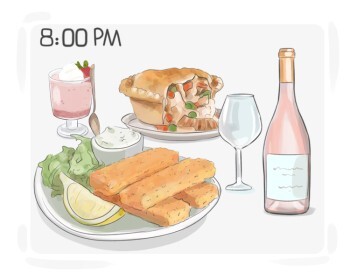
jajko, jajo

Ex: Can you help me crack the eggs for the cake batter? 
dinner
dinner
[Rzeczownik]

the main meal of the day that we usually eat in the evening

kolacja, obiad
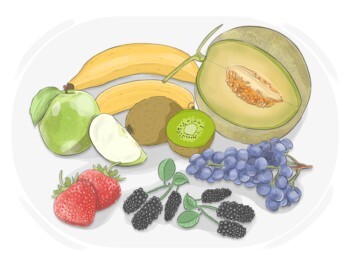
kolacja, obiad

Ex: For dinner, I cooked a delicious chicken stir-fry with vegetables. 
fruit
fruit
[Rzeczownik]

something we can eat that grows on trees, plants, or bushes

owoc

owoc

Ex: For a refreshing summer treat, try blending frozen fruit, like bananas and berries, into a creamy smoothie. 
toast
toast
[Rzeczownik]

bread that has been browned and made crisp by heating

grzanka,  tost
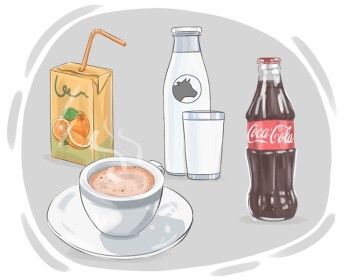
grzanka, tost

Ex: Michael burned the toast while making coffee. 
drink
drink
[Rzeczownik]

any liquid that we can drink

napój, picie
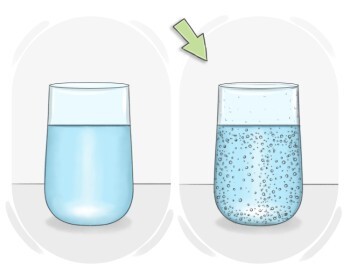
napój, picie

Ex: She poured herself a refreshing drink after a long day. 
fizzy
fizzy
[przymiotnik]

(of drinks) carbonated and having bubbles of gas

musujący, gazowany

musujący, gazowany

Ex: He poured a glass of fizzy champagne to celebrate the special occasion. 

Nalał kieliszek musującego szampana, aby uczcić szczególną okazję.
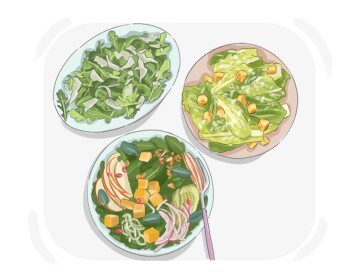
salad
salad
[Rzeczownik]

a cold dish made mainly from raw or cooked vegetables, often mixed with a dressing and sometimes other ingredients

sałatka
sałatka

Ex: We served a green salad alongside the pasta. 
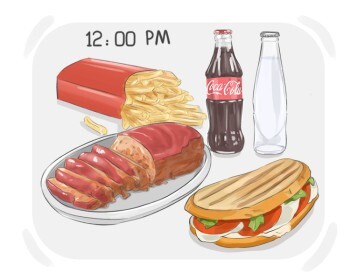
lunch
lunch
[Rzeczownik]

a meal we eat in the middle of the day

obiad, posiłek w południe
obiad, posiłek w południe

Ex: I made a Greek salad with feta cheese and olives for a healthy and flavorful lunch. 
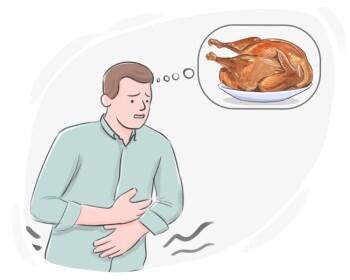
hungry
hungry
[przymiotnik]

feeling a need or desire to eat food

Ex: We were all hungry by the time dinner was ready. 
shop assistant
shop assistant
[Rzeczownik]

someone whose job is to serve or help customers in a shop

sprzedawca, ekspedientka

sprzedawca, ekspedientka

Ex: He relied on the shop assistant's expertise to choose the best electronic device. 

Polegał na wiedzy sprzedawcy, aby wybrać najlepsze urządzenie elektroniczne.

to buy
to buy
[Czasownik]

to get something in exchange for paying money

kupować
kupować

Ex: I need to buy groceries for dinner tonight. 
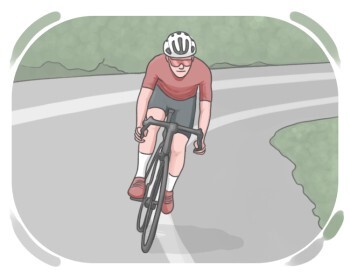
to cycle
to cycle
[Czasownik]

to ride or travel on a bicycle or motorbike

jeździć na rowerze, pedałować
jeździć na rowerze, pedałować

Ex: She cycles to work every day, enjoying the fresh air and exercise. 
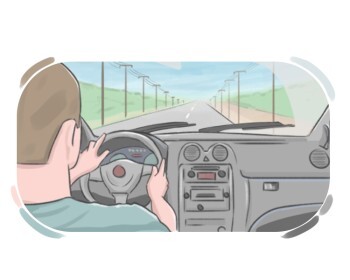
to drive
to drive
[Czasownik]

to control the movement and the speed of a car, bus, truck, etc. when it is moving

prowadzić

prowadzić

Ex: You should drive with both hands on the steering wheel. 
park
park
[Rzeczownik]

a large public place in a town or a city that has grass and trees and people go to for walking, playing, and relaxing

park
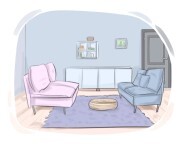
park

Ex: He flew a kite in the park on a sunny day. 
flat
flat
[Rzeczownik]

a place with a few rooms in which people live, normally part of a building with other such places on each floor

mieszkanie, apartament

mieszkanie, apartament

Ex: She decided to rent a flat in the city center to be closer to her job and local amenities. 
flatmate
flatmate
[Rzeczownik]

a person whom one shares a room or apartment with

współlokator, współmieszkaniec

współlokator, współmieszkaniec

Ex: They agreed to split the bills evenly between them and their flatmate. 

Zgodzili się podzielić rachunki równo między siebie i swojego współlokatora.
when
when
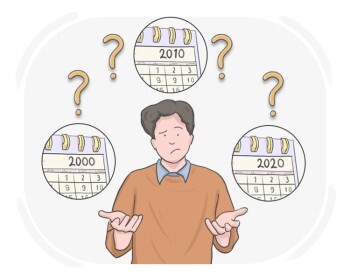
[przysłówek]

used when we want to ask at what time something happens

kiedy, gdy
kiedy, gdy

Ex: I can't recall when we last spoke on the phone. 
always
always
[przysłówek]

at all times, without any exceptions

zawsze, ciągle
zawsze, ciągle

Ex: They always celebrate birthdays with a party. 
early
early
[przymiotnik]

happening or done before the usual or scheduled time

wczesny, przedwczesny

wczesny, przedwczesny

Ex: They caught an early flight to avoid the rush. 
cello
cello
[Rzeczownik]

a large musical instrument of the violin family that is held upright and is played by pulling a bow across its strings

wiolonczela, wiolonczela

wiolonczela, wiolonczela

Ex: He enjoys playing chamber music with friends, featuring the cello's melodic lines and harmonic support. 

Lubi grać muzykę kameralną z przyjaciółmi, wyróżniając melodyczne linie wiolonczeli i harmoniczne wsparcie.
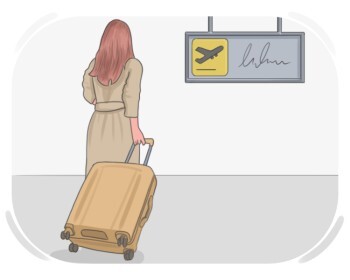
to leave
to leave
[Czasownik]

to go away from somewhere

wyjść, opuścić
wyjść, opuścić

Ex: She left her friends at the party without any goodbye. 
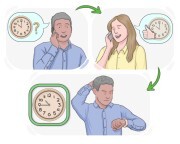
late
late
[przymiotnik]

doing or happening after the time that is usual or expected

późny, spóźniony
późny, spóźniony

Ex: The late delivery of the package inconvenienced the recipient. 
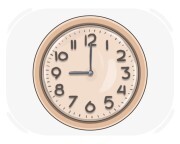
o'clock
o'clock
[przysłówek]

put after the numbers one to twelve to show or tell what time it is, only when it is at that exact hour

godzina, godziny
godzina, godziny

Ex: The restaurant reservation is for 8 o'clock tonight. 
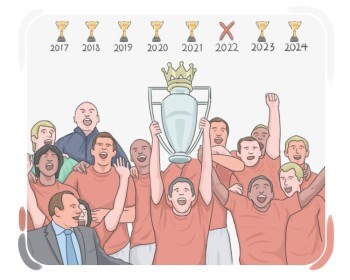
often
often
[przysłówek]

on many occasions

często, wielokrotnie

często, wielokrotnie

Ex: She often volunteers at the community center. 
usually
usually
[przysłówek]

in most situations or under normal circumstances

zwykle, zazwyczaj
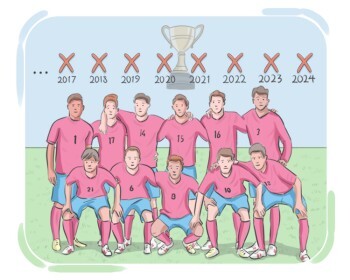
zwykle, zazwyczaj

Ex: They usually meet at the coffee shop on Fridays. 
never
never
[przysłówek]

not at any point in time

nigdy, przenigdy

nigdy, przenigdy

Ex: He never learned to swim, even though he grew up near the ocean. 
to visit
to visit
[Czasownik]

to go somewhere because we want to spend time with someone

odwiedzać, nawiedzać
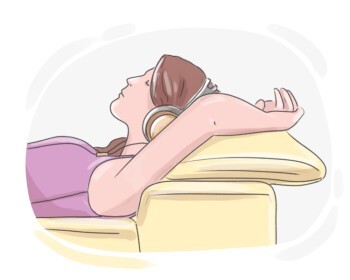
odwiedzać, nawiedzać

Ex: I love to visit my uncle because he tells great stories. 
to relax
to relax
[Czasownik]

to feel less worried or stressed

relaksować się, odpoczywać
relaksować się, odpoczywać

Ex: After a long day at work, I like to relax with a good book. 
to share
to share
[Czasownik]

to possess or use something with someone else at the same time

dzielić, współdzielić
dzielić, współdzielić

Ex: The couple plans to share a bank account after marriage. 
to stay
to stay
[Czasownik]

to remain in a particular place

pozostać, przebywać
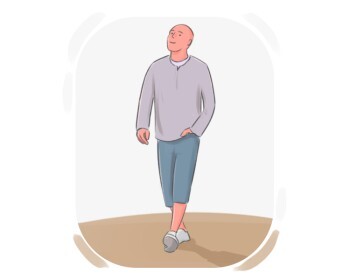
pozostać, przebywać

Ex: The weather is too unpredictable, so it's better to stay indoors. 
to walk
to walk
[Czasownik]

to move forward at a regular speed by placing our feet in front of each other one by one

chodzić,  spacerować
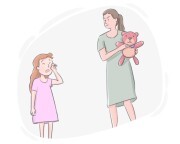
chodzić, spacerować

Ex: After the accident, doctors were unsure if he'd ever walk again. 
to take away
to take away
[Czasownik]

to take something from someone so that they no longer have it

zabrać komuś coś tak że już tego nie ma, odebrać komuś prawo lub przywilej

zabrać komuś coś tak że już tego nie ma, odebrać komuś prawo lub przywilej

Ex: The government decided to take the driver's license away due to multiple violations. 

Rząd postanowił odebrać prawo jazdy z powodu wielu wykroczeń.

typical
typical
[przymiotnik]

having or showing the usual qualities of a particular group of people or things

typowy, charakterystyczny

typowy, charakterystyczny

Ex: It's typical for toddlers to start walking between the ages of 9 and 15 months. 

Typowe jest, że maluchy zaczynają chodzić między 9 a 15 miesiącem życia.
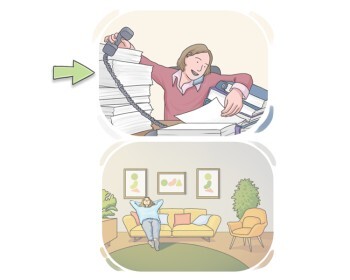
busy
busy
[przymiotnik]

having so many things to do in a way that leaves not much free time

zajęty, zapracowany
zajęty, zapracowany

Ex: As a student, Jenny is always busy with assignments, exams, and extracurricular activities. 
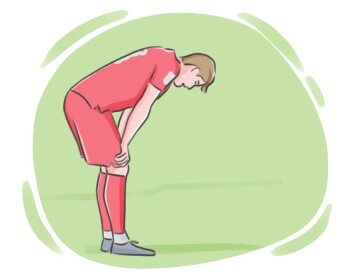
tired
tired
[przymiotnik]

needing to sleep or rest because of not having any more energy

zmęczony,  wyczerpany

zmęczony, wyczerpany

Ex: The nurse was tired but continued her shift to care for the patients. 

Pielęgniarka była zmęczona, ale kontynuowała swoją zmianę, aby opiekować się pacjentami.

to watch
to watch
[Czasownik]

to look at a thing or person and pay attention to it for some time

oglądać, obserwować

oglądać, obserwować

Ex: He sat on the park bench and watched the sunset. 
television
television
[Rzeczownik]

an electronic device with a screen that receives television signals, on which we can watch programs

telewizja, telewizor
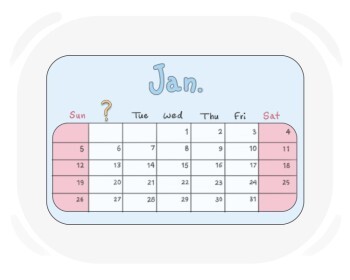
telewizja, telewizor

Ex: She watched her favorite show on the TV last night. 
Monday
Monday
[Rzeczownik]

the day that comes after Sunday

poniedziałek,  w poniedziałek
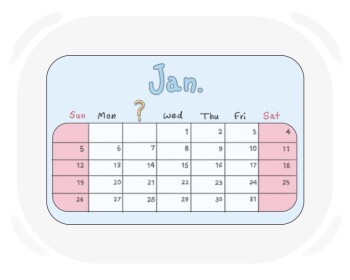
poniedziałek, w poniedziałek

Ex: I have a team meeting every Monday afternoon. 
Tuesday
Tuesday
[Rzeczownik]

the day that comes after Monday

wtorek,  wtorki
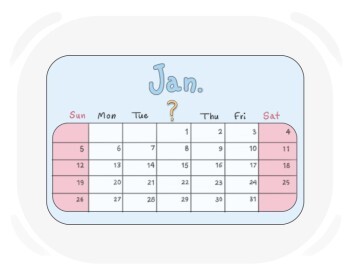
wtorek, wtorki

Ex: Harry uses Tuesdays to plan his goals for the rest of the week. 
Wednesday
Wednesday
[Rzeczownik]

the day that comes after Tuesday

środa,  środa

środa, środa

Ex: I eat pizza on Wednesdays. 
Thursday
Thursday
[Rzeczownik]

the day that comes after Wednesday

czwartek
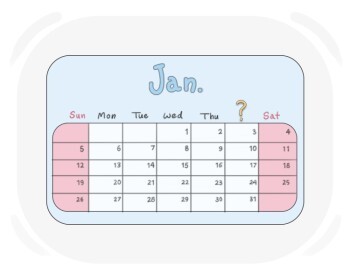
czwartek

Ex: I have a dentist appointment on Thursday. 
Friday
Friday
[Rzeczownik]

the day that comes after Thursday

piątek
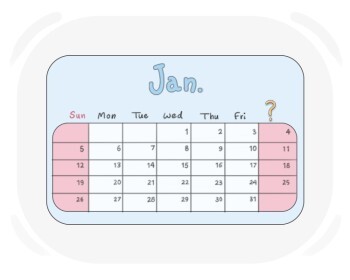
piątek

Ex: Friday is the last day of the workweek for many people, signaling the start of the weekend. 
Saturday
Saturday
[Rzeczownik]

the day that comes after Friday

sobota
sobota

Ex: I enjoy attending cultural events like concerts or theater performances on Saturdays. 
Sunday
Sunday
[Rzeczownik]

the day that comes after Saturday

niedziela
niedziela

Ex: I don't work on Sundays; it's my day off. 
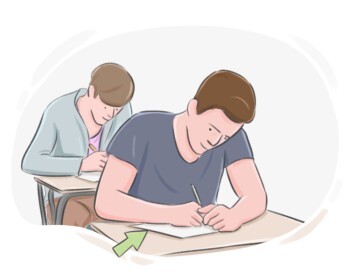
exam
exam
[Rzeczownik]

a formal test of a person's knowledge or ability in a particular subject

egzamin
egzamin

Ex: The students were nervous before the chemistry exam. 
life
life
[Rzeczownik]

the state of existing as a person who is alive

życie, istnienie

życie, istnienie

Ex: After the accident, she started seeing life differently. 
LanGeek
Pobierz aplikację LanGeek