
Książka Headway - Podstawowy - Jednostka 6
Tutaj znajdziesz słownictwo z Unitu 6 w podręczniku Headway Elementary, takie jak "podekscytowany", "zirytowany", "wieś" itp.
Przegląd
Fiszki
formy
Pisownia
Test
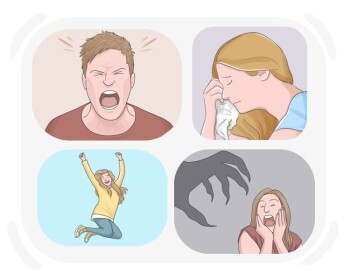
an emotional state or sensation that one experiences such as happiness, guilt, sadness, etc.

uczucie
Czasem prosty uścisk może przekazać więcej niż słowa, wyrażając głębokie uczucie miłości i połączenia.
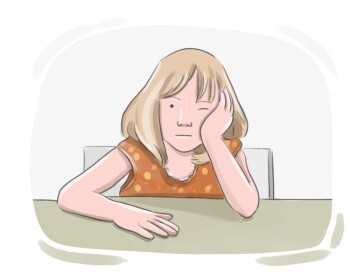
tired and unhappy because there is nothing to do or because we are no longer interested in something
znudzony, znudzony
Jest znudzony, ponieważ nie ma nic do roboty w domu.

feeling very happy, interested, and energetic
podekscytowany,rozemocjonowany, very happy and full of energy
Tłum był podekscytowany oglądaniem pokazu fajerwerków w Sylwestra.
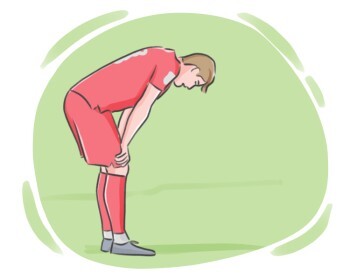
needing to sleep or rest because of not having any more energy
zmęczony, wyczerpany
Pielęgniarka była zmęczona, ale kontynuowała swoją zmianę, aby opiekować się pacjentami.
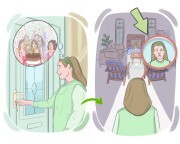
not satisfied or happy with something, because it did not meet one's expectations or hopes
rozczarowany
Byli rozczarowani jakością zakupionego produktu.
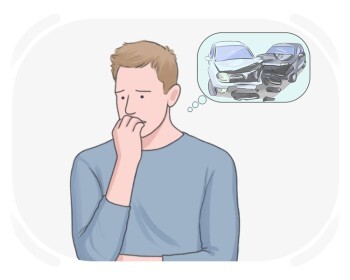
feeling unhappy and afraid because of something that has happened or might happen
zmartwiony, zaniepokojony
Byli zaniepokojeni swoim zdrowiem, odczuwając niepokój z powodu wyników swoich badań medycznych.
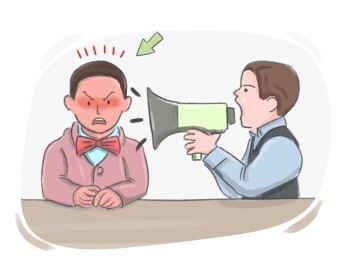
feeling slightly angry or irritated
zirytowany, poirytowany
Zdenerwowany wyraz jej twarzy pokazywał jej frustrację z powodu wolnego połączenia internetowego.
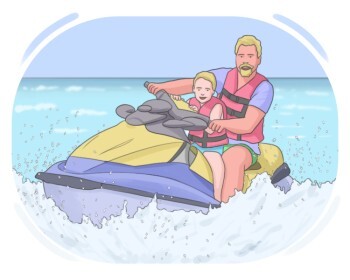
making us feel interested, happy, and energetic
ekscytujący, pasjonujący
Mecz piłki nożnej był bardzo ekscytujący, obie drużyny strzeliły w ostatnich minutach.
(particularly of an acivity) causing a feeling of physical or mental fatigue or exhaustion
męczący, wyczerpujący
Męczący dzień zwiedzania pozostawił ich z pragnieniem dobrego snu.
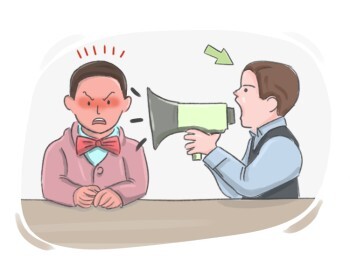
causing slight anger
denerwujący, irytujący
Denerwujące opóźnienie w transporcie publicznym sprawiło, że dojeżdżający spóźnili się do pracy.
creating a sense of unease or distress about potential negative outcomes
niepokojący, martwiący
Niepokojąca perspektywa zwolnień w firmie sprawiła, że pracownicy czuli się nieswojo co do swojej przyszłości.
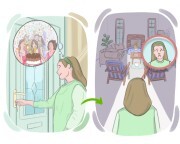
not fulfilling one's expectations or hopes
rozczarowujący, przygnębiający
Rozczarowująca gra drużyny w meczu mistrzowskim pozostawiła kibiców przygnębionych.
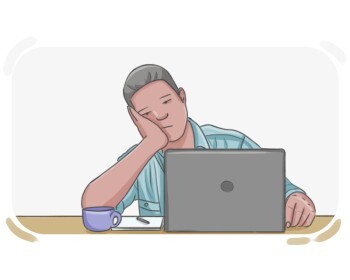
making us feel tired and unsatisfied because of not being interesting
nudny, męczący
Film był nudny i zasnąłem w połowie.
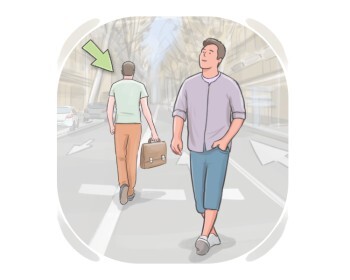
to travel or move from one location to another
iść, przemieszczać się
Czy nie byłoby wygodniej jechać autobusem?
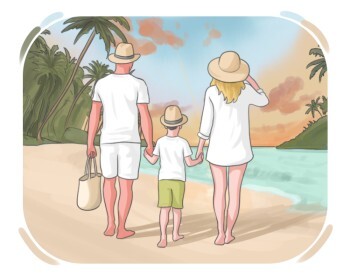
a period of time away from home or work, typically to relax, have fun, and do activities that one enjoys
wakacje, urlop
Jego ulubionym celem wakacyjnym jest odległa chatka w lesie, gdzie może odciąć się od technologii.
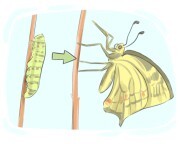
to start or grow to be
stać się, zostać
Szkoli się, aby zostać pilotem w szkole lotniczej.

a person whose total wealth is one million or more in their currency
milioner, osoba
W programie telewizyjnym pokazano wywiady z młodymi milionerami.
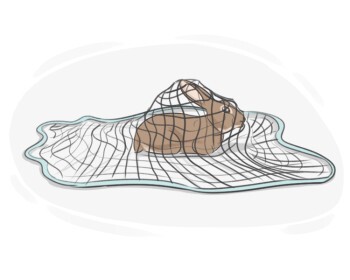
to capture or grab something or someone using methods like hunting, chasing, or trapping
łapać, złapać
Rybak cierpliwie czekał, aby złapać dużą pstrąga w rzece.
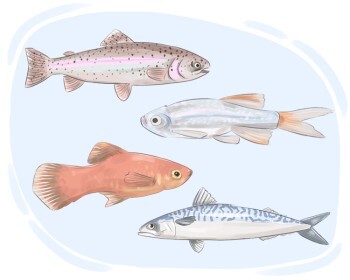
an animal with a tail, gills and fins that lives in water
ryba, ryba
Złota rybka w misce pływała radośnie.
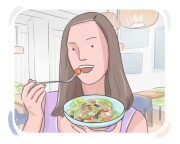
to eat or drink something
brać, jeść
Zjedzmy śniadanie razem, zanim zaczniemy nasz dzień.
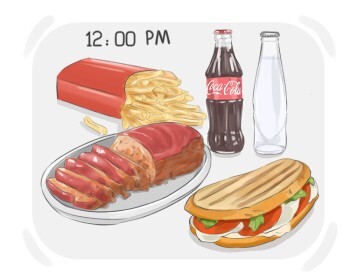
a meal we eat in the middle of the day
obiad, posiłek w południe
Niektórzy ludzie decydują się pominąć obiad, gdy są zajęci lub nie są głodni.
![to [take] a nap](/assets/img/no-pic-700w.png "to [take] a nap")
to rest or sleep for a short period of time during the day
a short period of rest or sleep, typically taken during the afternoon
drzemka
Wiele osób w Hiszpanii cieszy się codzienną siestą podczas najgorętszej części dnia.
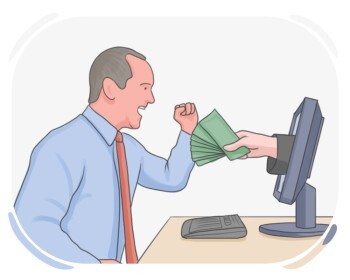
to get money for the job that we do or services that we provide
zarabiać, otrzymywać
Ona zarabia dodatkowe pieniądze, udzielając korepetycji w weekendy.

the activity of providing services or products in exchange for money
biznes, przedsiębiorstwo
Jej pasja do fotografii skłoniła ją do założenia firmy.
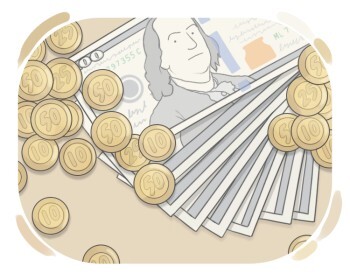
something that we use to buy and sell goods and services, can be in the form of coins or paper bills
pieniądze, waluta
Naprawdę muszę oszczędzać pieniądze, żeby kupić nowy rower.
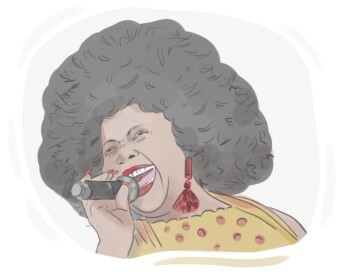
to use one's voice in order to produce musical sounds in the form of a tune or song
śpiewać
Ona zawsze śpiewa kołysankę, aby pomóc swojemu dziecku zasnąć.
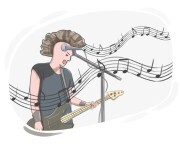
a piece of music that has words
piosenka
Stacja radiowa grała hitowy utwór co godzinę.
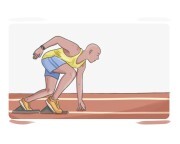
to begin something new and continue doing it, feeling it, etc.
zaczynać, rozpoczynać
On zaczął śpiewać razem z piosenką w radiu.
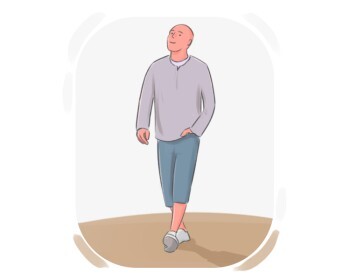
to move forward at a regular speed by placing our feet in front of each other one by one
chodzić, spacerować
Po wypadku lekarze nie byli pewni, czy kiedykolwiek znów będzie chodzić.
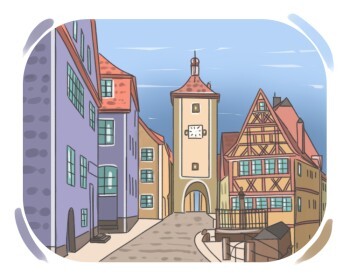
a very small town located in the countryside
wieś, wioska
Malownicza wioska położona wśród falistych wzgórz przyciągała turystów poszukujących spokojnego schronienia.
