
El libro Headway - Elemental - Unidad 6
Aquí encontrarás el vocabulario de la Unidad 6 del libro de curso Headway Elementary, como "emocionado", "molesto", "pueblo", etc.
Revisión
Tarjetas de memoria
formas
Ortografía
Cuestionario

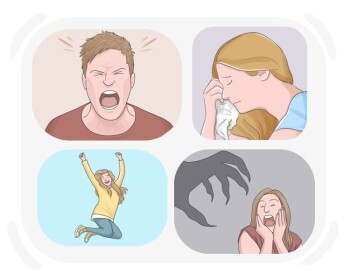
an emotional state or sensation that one experiences such as happiness, guilt, sadness, etc.

sentimiento
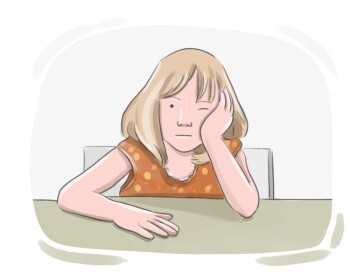
tired and unhappy because there is nothing to do or because we are no longer interested in something
aburrido
Se quejó de estar aburrida durante el largo vuelo.

feeling very happy, interested, and energetic
entusiasmado, emocionado
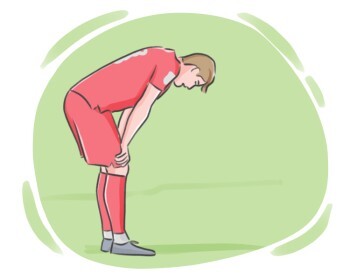
needing to sleep or rest because of not having any more energy
cansado
Ella estaba cansada pero satisfecha después de limpiar toda la casa.
not satisfied or happy with something, because it did not meet one's expectations or hopes
decepcionado
La expresión decepcionada en su rostro revelaba su tristeza.
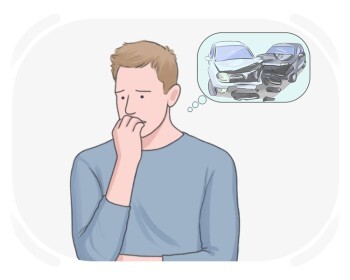
feeling unhappy and afraid because of something that has happened or might happen
preocupado
Ella estaba preocupada por su situación financiera, sintiéndose incómoda por sus deudas crecientes.
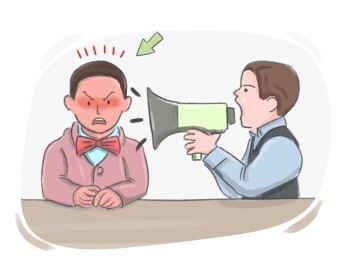
feeling slightly angry or irritated
enojado
Ella se sintió molesta cuando alguien la interrumpió repetidamente durante la reunión.

making us feel interested, happy, and energetic
emocionante
El espectáculo de fuegos artificiales fue realmente emocionante e iluminó todo el cielo.
(particularly of an acivity) causing a feeling of physical or mental fatigue or exhaustion
agotador, cansado
Trabajar largas horas en el proyecto resultó ser agotador pero gratificante.
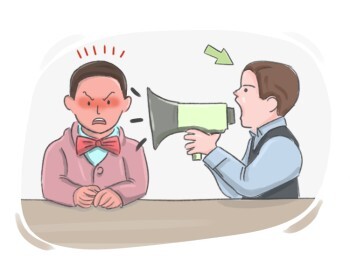
causing slight anger
molesto, irritante
Lidiar con las llamadas de telemarketing molestas durante la cena se convirtió en una molestia regular.
creating a sense of unease or distress about potential negative outcomes
preocupante, inquietante
La tendencia preocupante del declive en el rendimiento académico entre los estudiantes ha generado preocupación entre los educadores.
not fulfilling one's expectations or hopes
decepcionante
Recibir una calificación decepcionante en el examen fue un golpe para su confianza.

making us feel tired and unsatisfied because of not being interesting
aburrido
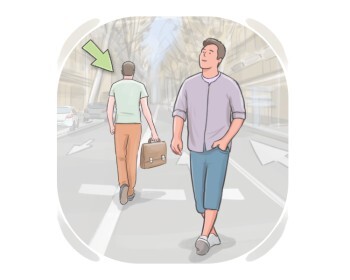
to travel or move from one location to another
ir

a period of time away from home or work, typically to relax, have fun, and do activities that one enjoys
Vacaciones
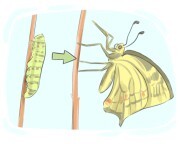
to start or grow to be
convertirse en, volverse, hacerse, llegar a ser

a person whose total wealth is one million or more in their currency
millonario, persona cuyo patrimonio total es de un millón o más en su moneda
El millonario vive en una mansión lujosa con vistas al océano.
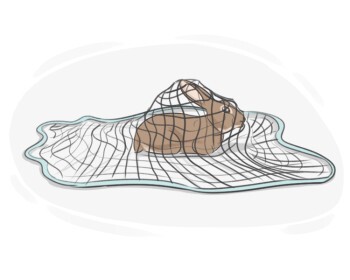
to capture or grab something or someone using methods like hunting, chasing, or trapping
atrapar, capturar
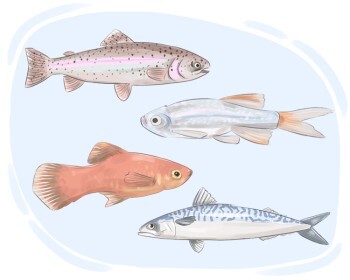
an animal with a tail, gills and fins that lives in water
pez

to eat or drink something
tomar, comer
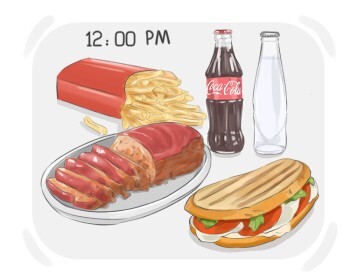
a meal we eat in the middle of the day
almuerzo
![to [take] a nap](/assets/img/no-pic-700w.png "to [take] a nap")
to rest or sleep for a short period of time during the day
a short period of rest or sleep, typically taken during the afternoon
siesta
Una corta siesta puede mejorar la energía y el enfoque para el resto del día.

to get money for the job that we do or services that we provide
ganar, obtener

the activity of providing services or products in exchange for money
negocios
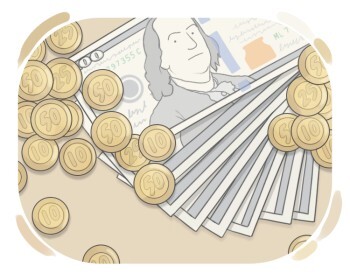
something that we use to buy and sell goods and services, can be in the form of coins or paper bills
dinero
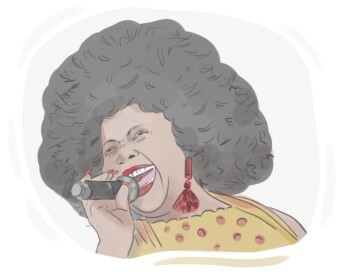
to use one's voice in order to produce musical sounds in the form of a tune or song
cantar
a piece of music that has words
canción
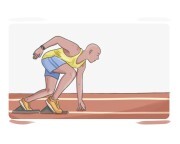
to begin something new and continue doing it, feeling it, etc.
comenzar, empezar
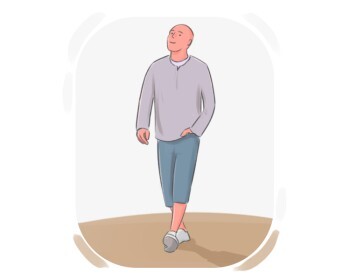
to move forward at a regular speed by placing our feet in front of each other one by one
caminar
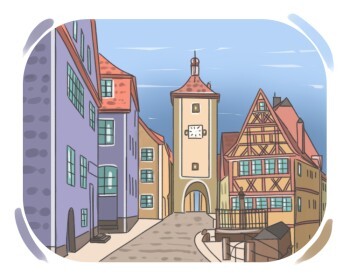
a very small town located in the countryside
pueblo
