
Książka Total English - Początkujący - Jednostka 9 - Lekcja 2
Tutaj znajdziesz słownictwo z Unit 9 - Lesson 2 w podręczniku Total English Starter, takie jak "ostrożny", "zarabiać", "znaczyć" itp.
Przegląd
Fiszki
Pisownia
Test

used to refer to the action of rising from the depth of poverty to the highest of riches

od biedy do bogactwa, od zera na szczyt
Jego droga od biedy do bogactwa zainspirowała wielu młodych przedsiębiorców.
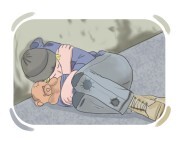
having little or no financial resources
spłukany, prawie bez pieniędzy
Jest spłukany, ale mimo to udało mu się pomóc przyjacielowi.
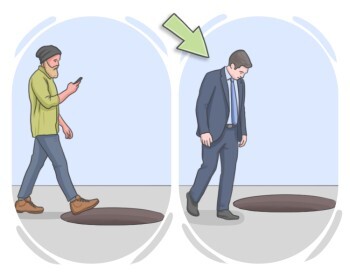
giving attention or thought to what we are doing to avoid doing something wrong, hurting ourselves, or damaging something
ostrożny, uważny
Musisz być ostrożny podczas obchodzenia się z delikatnymi przedmiotami.
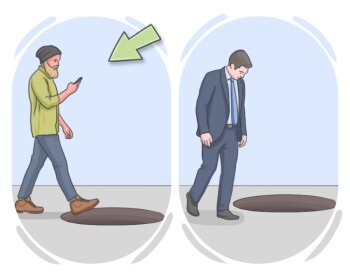
not paying enough attention to what we are doing
nieostrożny, niedbały
Jej nieostrożne wydatki doprowadziły do problemów finansowych.
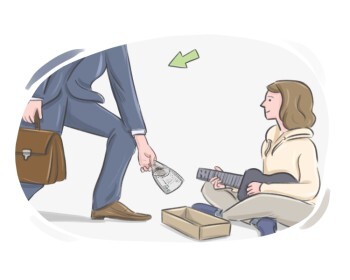
having a willingness to freely give or share something with others, without expecting anything in return
hojny, szczodry
Hojny napiwek pozostawiony przez zadowolonego klienta odzwierciedlał ich uznanie za wyjątkową obsługę, którą otrzymali.

(of a person) behaving in a way that is unkind or cruel
złośliwy, okrutny
owning a very small amount of money or a very small number of things
biedny, potrzebujący

owning a great amount of money or things that cost a lot
bogaty, zamożny

a person whose total wealth is one million or more in their currency
milioner, osoba
W programie telewizyjnym pokazano wywiady z młodymi milionerami.

having no distinctive charactristics
przeciętny, zwyczajny

a container for food or other goods, made of tinplated steel or other metal and typically cylindrical in shape with a removable lid
puszka, blaszana puszka
Zupa jest w puszce z łatwym do otwarcia wieczkiem.
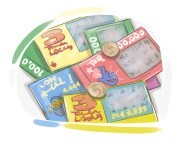
a game of chance where tickets with numbers or symbols are purchased, and a random selection of numbers or symbols determines the winners
loteria
Organizują cotygodniową loterię z nagrodami pieniężnymi dla szczęśliwych zwycięzców.

to get money for the job that we do or services that we provide
zarabiać, otrzymywać
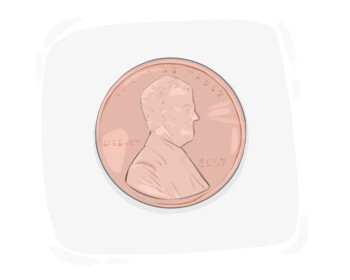
a US coin worth one cent, or one hundredth of a dollar
penny, cent
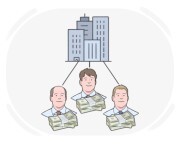
any of the equal portions of a company's stock that is available for public to buy and gain benefit
akcja, udział

to spend money or resources with the intention of gaining a future advantage or return
inwestować, lokować
