pattern

Cambridge IELTS 19 - Academic - Test 3 - Czytanie - Fragment 1 (3)

Ucz się słownictwa z trzeciej części Cambridge IELTS 19 Academic, Test 3 Reading Passage 1, z użytecznymi słowami i wyrażeniami z tekstu.

Przegląd

Fiszki

formy

Pisownia

Test
Zacznij naukę
Cambridge IELTS 19 - Academic
to see
to see
[Czasownik]

to be the setting or time of an event

widzieć, być świadkiem

widzieć, być świadkiem

Ex: The beach has seen many romantic proposals over the years. 
historic
historic
[przymiotnik]

relating to a person or event that is a part of the past and is documented in historical records, often preserved for educational or cultural purposes

historyczny

historyczny

Ex: The historian wrote a book about the historic voyages of explorers. 

Historyk napisał książkę o historycznych podróżach odkrywców.

trade
trade
[Rzeczownik]

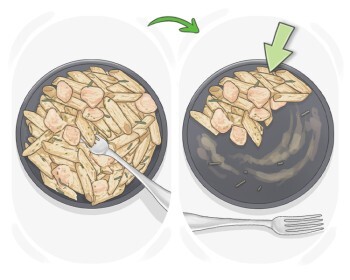
a particular type of business or industry that deals with buying and selling goods or services

handel, branża
handel, branża

Ex: The building trade has grown in the last few years. 
rest
rest
[Rzeczownik]

a part of something that is left

reszta, pozostała część

reszta, pozostała część

Ex: After finishing her meal, she put the rest of the food in the refrigerator. 
to [take] place

to occur at a specific time or location

Ex: The seminar will take place in the afternoon. 
arrival
arrival
[Rzeczownik]

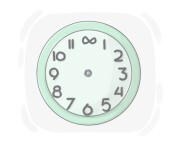
the act of arriving at a place from somewhere else

przybycie, przyjazd
przybycie, przyjazd

Ex: The train's arrival was announced on the station's loudspeaker. 
ever
ever
[przysłówek]

at any point in time

kiedykolwiek, nigdy

kiedykolwiek, nigdy

Ex: Nothing ever disturbed his calm demeanor. 

Nic nigdy nie zakłóciło jego spokojnego usposobienia.

surrounding
surrounding
[przymiotnik]

existing or situated all around something or someone

otaczający, sąsiedni

otaczający, sąsiedni

Ex: The surrounding hills provided a picturesque backdrop to the village. 

Otaczające wzgórza stanowiły malownicze tło dla wioski.

practice
practice
[Rzeczownik]

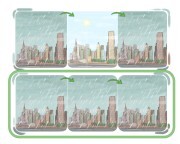
a habitual or customary way of doing something; a repeated or regular action or behavior

praktyka, nawyk
praktyka, nawyk

Ex: The company's practice of promoting from within boosts employee morale and loyalty. 
continuously
continuously
[przysłówek]

without any pause or interruption

ciągle, bez przerwy

ciągle, bez przerwy

Ex: The software runs continuously, ensuring uninterrupted performance. 

Oprogramowanie działa ciągle, zapewniając nieprzerwane działanie.

finding
finding
[Rzeczownik]

a piece of information discovered as a result of a research

odkrycie, wniosek

odkrycie, wniosek

Ex: The scientist's finding revealed a new way to treat the disease. 
naturally
naturally
[przysłówek]

according to nature; by natural means; without artificial help

naturalnie,  z natury

naturalnie, z natury

to resemble
to resemble
[Czasownik]

to be similar to someone or something in appearance, character, or other qualities
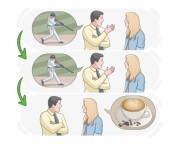
Ex: The twins resemble each other in both appearance and personality. 
to switch
to switch
[Czasownik]

to change from one thing, such as a task, major, conversation topic, job, etc. to a completely different one

zmieniać, przełączać
zmieniać, przełączać

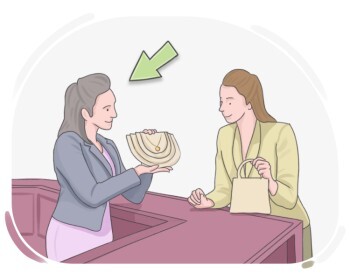
Ex: After completing the morning meeting, she decided to switch tasks and focus on a different project. 
sale
sale
[Rzeczownik]

the act of selling something

sprzedaż

sprzedaż

Ex: The sale of the old family house made everyone nostalgic. 

Sprzedaż starego rodzinnego domu sprawiła, że wszyscy stali się nostalgiczni.

volcanic glass
volcanic glass
[Rzeczownik]

a kind of natural glass produced when molten lava cools very rapidly

szkło wulkaniczne, obsydian

szkło wulkaniczne, obsydian

substance
substance
[Rzeczownik]

material of a particular kind or constitution

substancja,  materiał

substancja, materiał

Ex: A sticky substance coated the surface of the container. 
obsidian
obsidian
[Rzeczownik]

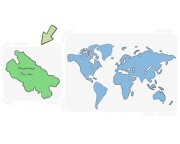
acid or granitic glass formed by the rapid cooling of lava without crystallization; usually dark, but transparent in thin pieces

obsydian, szkło wulkaniczne
obsydian, szkło wulkaniczne

particular
particular
[przymiotnik]

distinctive among others that are of the same general classification

szczególny, specyficzny

szczególny, specyficzny

Ex: She is dedicated to a particular area of research within the medical field. 

Jest poświęcona szczególnej dziedzinie badań w dziedzinie medycyny.
bead
bead
[Rzeczownik]

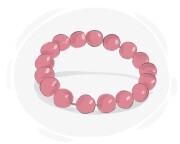
one of a series of small balls of wood, glass, etc. with a hole in the middle that a string can go through to make a rosary or necklace, etc.

koralik, paciorek

koralik, paciorek

Ex: A single bead rolled off the table and onto the floor, quickly disappearing under the couch. 

Pojedynczy koralik stoczył się ze stołu na podłogę, szybko znikając pod kanapą.

find
find
[Rzeczownik]

a valuable or productive insight, idea, or piece of information

odkrycie, znalezisko

odkrycie, znalezisko

Ex: His analysis was a brilliant find that solved the problem. 
islander
islander
[Rzeczownik]

an inhabitant of an island

wyspiarz, mieszkaniec wyspy

wyspiarz, mieszkaniec wyspy

routinely
routinely
[przysłówek]

in a regular or habitual manner, often following a fixed procedure or schedule

rutynowo, zwyczajowo

rutynowo, zwyczajowo

Ex: The security personnel routinely patrol the premises at night. 

Personel ochrony rutynowo patroluje teren w nocy.

to abandon
to abandon
[Czasownik]

to leave a place, especially because it is difficult or dangerous to stay

porzucać, opuszczać

porzucać, opuszczać

Ex: As the hurricane approached, residents were advised to abandon their homes and seek shelter inland. 
resident
resident
[Rzeczownik]

a person who lives in a particular place, usually on a long-term basis

mieszkaniec, rezydent

mieszkaniec, rezydent

Ex: The new resident of the apartment complex introduced herself to her neighbors. 
match
match
[Rzeczownik]

something that corresponds to or harmonizes with another

dopasowanie, harmonia

dopasowanie, harmonia

Ex: The curtains were a perfect match for the sofa. 
to turn to
to turn to
[Czasownik]

to direct one's interest or attention toward a specific subject or activity

zwrócić się ku, zająć się

zwrócić się ku, zająć się

Ex: The manager turned to addressing the concerns of the employees. 

Kierownik zwrócił się ku rozwiązywaniu obaw pracowników.

means
means
[Rzeczownik]

a way, system, object, etc. through which one can achieve a goal or accomplish a task

środek, narzędzie

środek, narzędzie

Ex: Education is a powerful means to improve one's future prospects. 
survival
survival
[Rzeczownik]

the state in which a person manages to stay alive or strong despite dangers or difficulties

przetrwanie, przeżycie

przetrwanie, przeżycie

Ex: The survival of the crew depended on their ability to find fresh water. 
whatever
whatever
[Zaimki]

used to represent anything or everything as the subject or object of verb or preposition

cokolwiek, wszystko

cokolwiek, wszystko

Ex: Whatever happens, we'll be prepared. 

Cokolwiek się stanie, będziemy przygotowani.

departure
departure
[Rzeczownik]

the act of leaving a place, especially to begin a journey
Ex: Daniel called his parents shortly before his departure. 
to own
to own
[Czasownik]

to have something as for ourselves

posiadać,  mieć
posiadać, mieć

Ex: The company owned several patents for their innovative technology. 
pottery
pottery
[Rzeczownik]

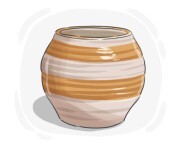
pots, dishes, etc. that are made of clay by hand and then baked in a kiln to be hardened

ceramika, garncarstwo

ceramika, garncarstwo

as well as
as well as
[Przyimek]

used to introduce another item or person that is included in the same category or group as the previous one

jak również,  oprócz

jak również, oprócz

Ex: He plays the guitar as well as the piano. 

Gra na gitarze, a także na pianinie.

in view of
in view of
[Przyimek]

considering a particular fact or circumstance

biorąc pod uwagę, w związku z

biorąc pod uwagę, w związku z

Ex: In view of the budget constraints, we need to find cost-effective solutions. 

Biorąc pod uwagę ograniczenia budżetowe, musimy znaleźć opłacalne rozwiązania.

phase
phase
[Rzeczownik]

a distinct period or stage in a sequence of events or development

faza, etap

faza, etap

Ex: The project is currently in its planning phase. 
to occupy
to occupy
[Czasownik]

to live in a place that is either rented or owned

zajmować, zamieszkiwać

zajmować, zamieszkiwać

Ex: The nomadic tribe used to occupy different regions depending on the season, following traditional migration patterns for centuries. 
LanGeek
Pobierz aplikację LanGeek
