pattern

Cambridge IELTS 19 - Academic - Test 3 - Čtení - Úsek 1 (3)

Naučte se slovní zásobu ze třetí části Cambridge IELTS 19 Academic, Test 3 Reading Passage 1, s užitečnými slovy a výrazy z textu.

Revize

Kartičky

tvary

Pravopis

Kvíz
Začněte se učit
Cambridge IELTS 19 - Academic
to see
to see
[sloveso]

to be the setting or time of an event

vidět, být svědkem

vidět, být svědkem

Ex: The beach has seen many romantic proposals over the years. 
historic
historic
[Přídavné jméno]

relating to a person or event that is a part of the past and is documented in historical records, often preserved for educational or cultural purposes

historický

historický

Ex: Her research focuses on historic figures from the Renaissance period. 

Její výzkum se zaměřuje na historické postavy z období renesance.

trade
trade
[Podstatné jméno]

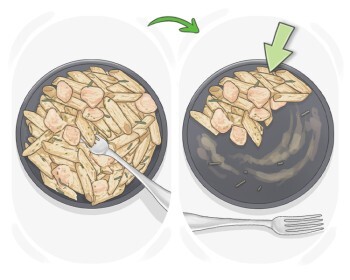
a particular type of business or industry that deals with buying and selling goods or services

obchod, odvětví
obchod, odvětví

Ex: The building trade has grown in the last few years. 
rest
rest
[Podstatné jméno]

a part of something that is left

zbytek, zbývající část

zbytek, zbývající část

Ex: After finishing her meal, she put the rest of the food in the refrigerator. 
to [take] place

to occur at a specific time or location

Ex: The historic event took place centuries ago. 
arrival
arrival
[Podstatné jméno]

the act of arriving at a place from somewhere else

příjezd, příchod
příjezd, příchod

Ex: The train's arrival was announced on the station's loudspeaker. 
ever
ever
[Příslovce]

at any point in time

kdykoli, nikdy

kdykoli, nikdy

Ex: Did she ever mention her plans to you? 

Zmínila se někdy o svých plánech před tebou?

surrounding
surrounding
[Přídavné jméno]

existing or situated all around something or someone

obklopující, sousední

obklopující, sousední

Ex: The surrounding hills provided a picturesque backdrop to the village. 

Okolní kopce poskytovaly malebné pozadí vesnice.

practice
practice
[Podstatné jméno]

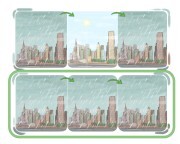
a habitual or customary way of doing something; a repeated or regular action or behavior

praxe, zvyk
praxe, zvyk

Ex: The company has a practice of reviewing salaries every year. 
continuously
continuously
[Příslovce]

without any pause or interruption

nepřetržitě, bez přerušení

nepřetržitě, bez přerušení

Ex: The traffic flowed continuously on the busy highway. 

Doprava plynula nepřetržitě na rušné dálnici.

finding
finding
[Podstatné jméno]

a piece of information discovered as a result of a research

nález, objev

nález, objev

Ex: The scientist's finding revealed a new way to treat the disease. 
naturally
naturally
[Příslovce]

according to nature; by natural means; without artificial help

přirozeně,  od přírody

přirozeně, od přírody

to resemble
to resemble
[sloveso]

to be similar to someone or something in appearance, character, or other qualities

podobat se,  připomínat
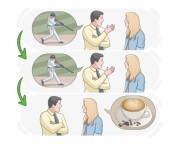
podobat se, připomínat

Ex: The object found on the beach was strangely resembling a piece of polished glass. 
to switch
to switch
[sloveso]

to change from one thing, such as a task, major, conversation topic, job, etc. to a completely different one

přepnout, změnit
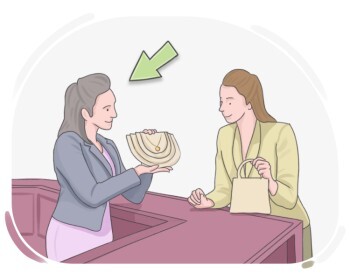
přepnout, změnit

Ex: After completing the morning meeting, she decided to switch tasks and focus on a different project. 
sale
sale
[Podstatné jméno]

the act of selling something

prodej

prodej

Ex: Their family’s main income comes from the sale of farm produce. 

Hlavní příjem jejich rodiny pochází z prodeje zemědělských produktů.

volcanic glass
volcanic glass
[Podstatné jméno]

a kind of natural glass produced when molten lava cools very rapidly

sopečné sklo, obsidián

sopečné sklo, obsidián

substance
substance
[Podstatné jméno]

material of a particular kind or constitution

látka,  materiál

látka, materiál

Ex: The protective layer consists of a rubberlike substance. 
obsidian
obsidian
[Podstatné jméno]

acid or granitic glass formed by the rapid cooling of lava without crystallization; usually dark, but transparent in thin pieces

obsidián, sopečné sklo
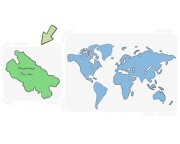
obsidián, sopečné sklo

particular
particular
[Přídavné jméno]

distinctive among others that are of the same general classification

konkrétní, specifický

konkrétní, specifický

Ex: The law applies to a particular type of vehicle, such as electric cars. 

Zákon platí pro konkrétní typ vozidla, jako jsou elektrická auta.
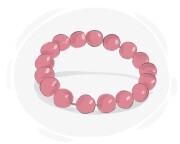
bead
bead
[Podstatné jméno]

one of a series of small balls of wood, glass, etc. with a hole in the middle that a string can go through to make a rosary or necklace, etc.

korálek, kulička

korálek, kulička

Ex: The intricate design of the bracelet was enhanced by the addition of a single, shining bead at the center. 

Složitý design náramku byl vylepšen přidáním jediné, zářivé korálky uprostřed.

find
find
[Podstatné jméno]

a valuable or productive insight, idea, or piece of information

objev, nález

objev, nález

Ex: His analysis was a brilliant find that solved the problem. 
islander
islander
[Podstatné jméno]

an inhabitant of an island

ostrovan, obyvatel ostrova

ostrovan, obyvatel ostrova

routinely
routinely
[Příslovce]

in a regular or habitual manner, often following a fixed procedure or schedule

rutinně, obvykle

rutinně, obvykle

Ex: Employees are routinely trained to enhance their skills. 

Zaměstnanci jsou rutinně školeni, aby zlepšili své dovednosti.

to abandon
to abandon
[sloveso]

to leave a place, especially because it is difficult or dangerous to stay

opustit, zanechat

opustit, zanechat

Ex: As the hurricane approached, residents were advised to abandon their homes and seek shelter inland. 
resident
resident
[Podstatné jméno]

a person who lives in a particular place, usually on a long-term basis

obyvatel, rezident

obyvatel, rezident

Ex: The new resident of the apartment complex introduced herself to her neighbors. 
match
match
[Podstatné jméno]

something that corresponds to or harmonizes with another

shoda, harmonie

shoda, harmonie

Ex: The curtains were a perfect match for the sofa. 
to turn to
to turn to
[sloveso]

to direct one's interest or attention toward a specific subject or activity

obrátit se k, věnovat se

obrátit se k, věnovat se

Ex: In times of trouble, people often turn to their close friends for support. 

V dobách potíží se lidé často obracejí na své blízké přátele o podporu.

means
means
[Podstatné jméno]

a way, system, object, etc. through which one can achieve a goal or accomplish a task

prostředek, nástroj

prostředek, nástroj

Ex: Education is a powerful means to improve one's future prospects. 
survival
survival
[Podstatné jméno]

the state in which a person manages to stay alive or strong despite dangers or difficulties

přežití, udržení se naživu

přežití, udržení se naživu

Ex: The survival of the crew depended on their ability to find fresh water. 
whatever
whatever
[zájmeno]

used to represent anything or everything as the subject or object of verb or preposition

cokoli, všechno

cokoli, všechno

Ex: You can choose whatever suits you best. 

Můžete si vybrat cokoli, co vám nejlépe vyhovuje.
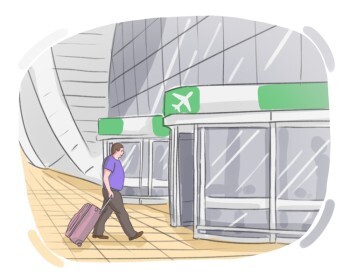
departure
departure
[Podstatné jméno]

the act of leaving a place, especially to begin a journey

odjezd,  odchod

odjezd, odchod

Ex: Passengers should arrive at the airport two hours before departure. 
to own
to own
[sloveso]

to have something as for ourselves

vlastnit,  mít

vlastnit, mít

Ex: He owns two apartments in the city. 
pottery
pottery
[Podstatné jméno]

pots, dishes, etc. that are made of clay by hand and then baked in a kiln to be hardened

keramika, hrnčířství

keramika, hrnčířství

as well as
as well as
[předložka]

used to introduce another item or person that is included in the same category or group as the previous one

stejně jako,  kromě

stejně jako, kromě

Ex: He plays the guitar as well as the piano. 

Hraje na kytaru stejně jako na klavír.

in view of
in view of
[předložka]

considering a particular fact or circumstance

s ohledem na, vzhledem k

s ohledem na, vzhledem k

Ex: We have made changes to the schedule in view of the unexpected delays. 

Provedli jsme změny v rozvrhu s ohledem na neočekávaná zpoždění.

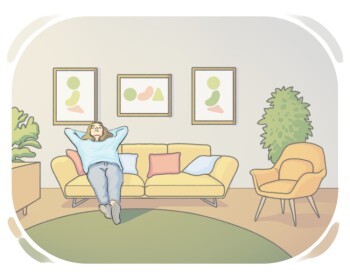
phase
phase
[Podstatné jméno]

a distinct period or stage in a sequence of events or development

fáze, etapa
fáze, etapa

Ex: The project is currently in its planning phase. 
to occupy
to occupy
[sloveso]

to live in a place that is either rented or owned

zabírat, bydlet

zabírat, bydlet

Ex: The family decided to occupy a farmhouse in the countryside. 
LanGeek
Stáhnout aplikaci LanGeek
