pattern

Sentimente - Jenantare

Revizuire

Fișe de studiu

forme

Ortografie

Chestionar

Începe să înveți
Words Related to Feelings
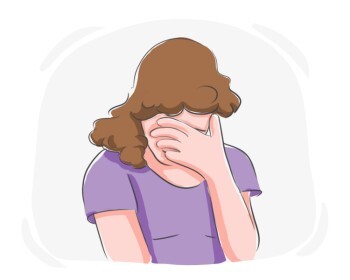
abashed
abashed
[adjectiv]

showing embarrassment or discomfort due to a mistake or an awkward situation

jenat, rușinat

jenat, rușinat

Ex: He felt abashed after realizing his mistake. 

S-a simțit jenat după ce și-a dat seama de greșeala sa.
Închide
Conectare
ashamed
ashamed
[adjectiv]

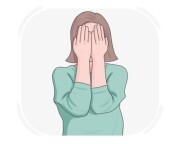
feeling embarrassed or sorry about one's actions, characteristics, or circumstances

rușinat, jenat

rușinat, jenat

Ex: She felt ashamed of her behavior at the party, realizing she had acted inappropriately. 

S-a simțit rușinată de comportamentul ei la petrecere, realizând că acționase necorespunzător.
Închide
Conectare
awkward
awkward
[adjectiv]

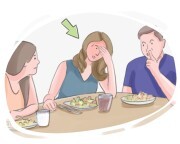
making one feel embarrassed or uncomfortable

jenant, incomod

jenant, incomod

Ex: The silence after his joke fell flat was incredibly awkward. 

Liniștea de după gluma lui nereușită a fost incredibil de stânjenitoare.
Închide
Conectare
bashful
bashful
[adjectiv]

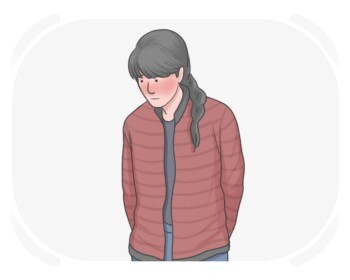
shy or timid, especially in social situations, often accompanied by a reluctance to draw attention to oneself

timid, rezervat

timid, rezervat

Ex: The bashful child hid behind their mother's leg when introduced to strangers at the party. 

Copilul timid s-a ascuns în spatele piciorului mamei sale când a fost prezentat străinilor la petrecere.

Închide
Conectare
to blush
to blush
[verb]

to become red in the face, especially as a result of shyness or shame

a roși, a se înroși

a roși, a se înroși

Ex: She couldn't help but blush when complimented on her performance. 

Nu a putut să nu roșească când a fost lăudată pentru performanța sa.

Închide
Conectare
to confess

to admit something that one feels embarrassed, uncomfortable, or guilty about

mărturisi,  recunoaște

mărturisi, recunoaște

Ex: I must confess that I forgot her birthday. 
Închide
Conectare
confession
confession
[substantiv]

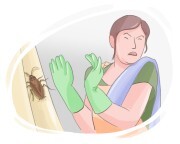
an acknowledgment of having committed a wrong, shameful, or embarrassing act

mărturisire, spovedanie

mărturisire, spovedanie

Ex: She made a confession about lying to her friend. 

A făcut o mărturisire despre faptul că a mințit-o pe prietena sa.
Închide
Conectare
to cringe
to cringe
[verb]

to draw back involuntarily, often in response to fear, pain, embarrassment, or discomfort

a se strânge, a se retrage

a se strânge, a se retrage

Ex: The loud thunder made the dog cringe in fear and seek shelter. 

Tunetul puternic l-a făcut pe câine să se strângă de frică și să caute adăpost.

Închide
Conectare
cringeworthy
cringeworthy
[adjectiv]

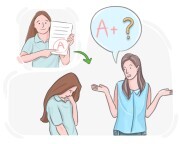
causing embarrassment, discomfort, or awkwardness

jenant, incomod

jenant, incomod

Ex: The speech was cringeworthy and made everyone wince. 

Discursul a fost jenant și i-a făcut pe toți să se crispeze.
Închide
Conectare
to discomfit

to make someone feel uneasy, embarrassed, or anxious

deruta, face să se simtă stingherit

deruta, face să se simtă stingherit

Ex: Pointed personal questions are likely to discomfit most people in a job interview. 

Întrebările personale directe sunt susceptibile să jeneze majoritatea oamenilor într-un interviu de angajare.

Închide
Conectare
discomfiture
discomfiture
[substantiv]

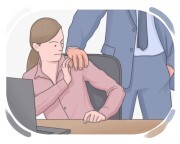
a feeling of awkwardness, embarrassment, or unease

jenă, stânjeneală

jenă, stânjeneală

Ex: He showed obvious discomfiture when asked about the mistake. 

A arătat o jenă evidentă când a fost întrebat despre greșeală.
Închide
Conectare
discomfort
discomfort
[substantiv]

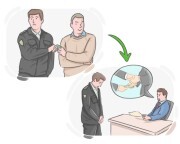
a feeling of unease, distress, or emotional strain

disconfort, neliniște

disconfort, neliniște

Ex: She felt discomfort during the tense meeting. 

Ea a simțit disconfort în timpul întâlnirii tensionate.
Închide
Conectare
to disgrace

to bring shame or dishonor on oneself or other people

dezonora, rușina

dezonora, rușina

Ex: His scandalous behavior disgraced his family and tarnished their reputation. 

Comportamentul său scandalos a dezonorat familia lui și a pătat reputația lor.

Închide
Conectare
disgraceful
disgraceful
[adjectiv]

causing shame or loss of respect due to morally wrong or inappropriate behavior

rușinos,  scandalos

rușinos, scandalos

Ex: His rude behavior at the event was disgraceful and embarrassed everyone. 

Comportamentul său nepoliticos la eveniment a fost rușinos și i-a făcut pe toți să se simtă stânjeniți.

Închide
Conectare
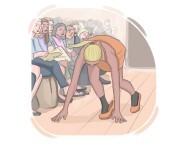
embarrassed
embarrassed
[adjectiv]

feeling ashamed and uncomfortable because of something that happened or was said

jenat, rușinat

jenat, rușinat

Ex: She felt embarrassed when she realized she had mispronounced the word. 

S-a simțit jenată când și-a dat seama că a pronunțat greșit cuvântul.
Închide
Conectare
embarrassing
embarrassing
[adjectiv]

causing a person to feel ashamed or uneasy

jenant, stânjenitor

jenant, stânjenitor

Ex: Forgetting someone's name in a crowded room can be embarrassing. 

A uita numele cuiva într-o încăpere aglomerată poate fi jenant.

Închide
Conectare
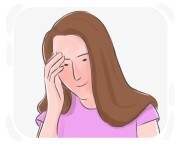
embarrassment
embarrassment
[substantiv]

the uncomfortable feeling of being ashamed, awkward, or self-conscious

jenă
jenă

Ex: Sarah blushed with embarrassment when everyone started singing to her. 
Închide
Conectare
to flush
to flush
[verb]

to become red in the face, especially because of embarrassment, anger, heat, or excitement

se înroși,  se îmbujora

se înroși, se îmbujora

Ex: Emma flushed when everyone turned to look at her. 
Închide
Conectare
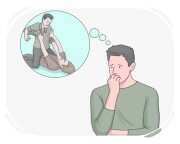
foolish
foolish
[adjectiv]

(of a person) not thinking or behaving wisely

prost, nechibzuit

prost, nechibzuit

Ex: He was foolish enough to believe he could win the lottery without buying a ticket. 

Era suficient de prost încât să creadă că poate câștiga la loterie fără să cumpere un bilet.
Închide
Conectare
guilt
guilt
[substantiv]

a feeling of shame, regret, or responsibility for having done something wrong

Ex: Emma felt a deep sense of guilt after lying to her friend. 
Închide
Conectare
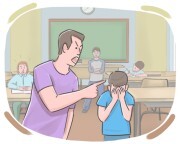
guilty
guilty
[adjectiv]

feeling bad because of having done something wrong or not having done something that should have been done

vinovat, plin de remușcări

vinovat, plin de remușcări

Ex: Despite her efforts to hide it, Sarah's guilty expression betrayed her involvement in the prank. 

În ciuda eforturilor ei de a o ascunde, expresia vinovată a Sarah a trădat implicarea ei în farsă.
Închide
Conectare
to humiliate

to cause someone to feel extremely embarrassed or ashamed, often by publicly exposing their weaknesses or shortcomings

umili

umili

Ex: It's never acceptable to humiliate someone for their differences or vulnerabilities. 

Nu este niciodată acceptabil să umilești pe cineva pentru diferențele sau vulnerabilitățile sale.

Închide
Conectare
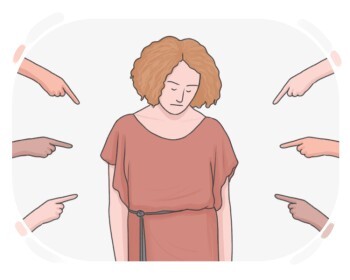
humiliating
humiliating
[adjectiv]

causing someone to feel embarrassed or degraded, often in front of others

umilitor, rușinos

umilitor, rușinos

Ex: Receiving a humiliating rejection letter from the job interview was a blow to his confidence. 

Primirea unei scrisori de respingere umilitoare după interviul de angajare a fost o lovitură pentru încrederea lui.
Închide
Conectare
humiliation
humiliation
[substantiv]

intense embarrassment from being made to look foolish or stupid

umilință, rușine

umilință, rușine

Ex: He felt humiliation after tripping on stage. 

S-a simțit umilit după ce a căzut pe scenă.

Închide
Conectare
indignity
indignity
[substantiv]

an action or comment that causes a person to feel humiliated or loses their dignity

umilință, jignire

umilință, jignire

Ex: Being ignored by the officials was an indignity. 

A fi ignorat de oficiali a fost o umilință.

Închide
Conectare
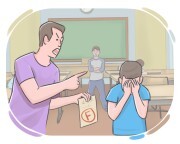
mortification
mortification
[substantiv]

intense embarrassment or shame

umilință, rușine

umilință, rușine

Ex: He felt mortification after forgetting his lines. 

A simțit umilință după ce și-a uitat replicile.
Închide
Conectare
to mortify

to cause someone to feel extreme embarrassment or shame

umili, rușina

umili, rușina

Ex: His insensitive remark mortified her in front of the whole class. 

Remarca lui insensibilă a umilit-o în fața întregii clase.

Închide
Conectare
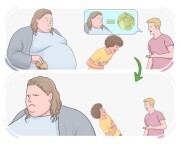
mortifying
mortifying
[adjectiv]

causing intense embarrassment, shame, or humiliation

umilitor, rușinos

umilitor, rușinos

Ex: Forgetting her lines on stage was a mortifying experience. 

Uitarea replicilor pe scenă a fost o experiență umilitoare.
Închide
Conectare
to offend
to offend
[verb]

to cause someone to feel disrespected, upset, etc.

jigni, răni

jigni, răni

Ex: The controversial decision of the company to cut bonuses deeply offended the employees. 

Decizia controversată a companiei de a reduce bonusurile a jignit profund angajații.

Închide
Conectare
shame
shame
[substantiv]

a painful feeling of embarrassment, guilt, or humiliation caused by one's own or another person's actions or circumstances

rușine,  jenă

rușine, jenă

Ex: He felt deep shame after realizing how badly he had behaved. 
Închide
Conectare
shameful
shameful
[adjectiv]

causing embarrassment or disgrace due to unacceptable behavior or actions

rușinos, dezonorant

rușinos, dezonorant

Ex: His shameful behavior at the party embarrassed everyone who witnessed it. 

Comportamentul său rușinos la petrecere a jenat pe toți cei care l-au văzut.

Închide
Conectare
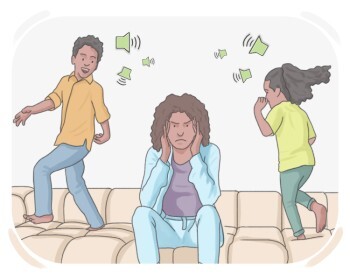
shaming
shaming
[adjectiv]

causing someone to feel embarrassed or humiliated

rușinos, umilitor

rușinos, umilitor

Ex: It was a shaming experience to fail in front of everyone. 

A fost o experiență rușinoasă să eșuez în fața tuturor.
Închide
Conectare
shy
shy
[adjectiv]

nervous or uncomfortable about meeting, speaking to, or being noticed by other people

timid,  rușinos

timid, rușinos

Ex: Emma was too shy to introduce herself to the other students. 
Închide
Conectare
to tease
to tease
[verb]

to playfully annoy someone by making jokes or sarcastic remarks

tachina, pismăui

tachina, pismăui

Ex: Friends may tease one another with good-natured humor during social gatherings. 

Prietenii se pot tachina unul pe altul cu umor binevoitor în timpul întâlnirilor sociale.

Închide
Conectare
LanGeek
Descarcă aplicația LanGeek