
pattern

Sentimente - Singurătate și Ură

Revizuire

Fișe de studiu

Ortografie

Chestionar

Începe să înveți
Words Related to Feelings
adrift
adrift
[adjectiv]

feeling alone and without a clear purpose or direction in life

pierdut, fără direcție

pierdut, fără direcție

Ex: After graduation, she felt adrift and unsure what to do next. 

După absolvire, s-a simțit pierdută și nesigură ce să facă în continuare.

Închide
Conectare
alone
alone
[adjectiv]

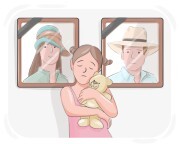
feeling or being separated emotionally or socially

singur, izolat

singur, izolat

Ex: After the loss, she was terribly alone and vulnerable. 

După pierdere, ea era teribil de singură și vulnerabilă.
Închide
Conectare
bereft
bereft
[adjectiv]

(of people) feeling very lonely and sorrowful, particularly as a result of a loss

desolat, mâhnit

desolat, mâhnit

Ex: After the passing of her husband, she felt completely bereft. 

După moartea soțului ei, s-a simțit complet lipsită.

Închide
Conectare
to break
to break
[verb]

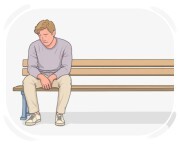
to shatter someone's mental resilience

a sparge, a distruge
a sparge, a distruge

Ex: The prisoner's isolation was intended to break him psychologically. 
Închide
Conectare
desolate
desolate
[adjectiv]

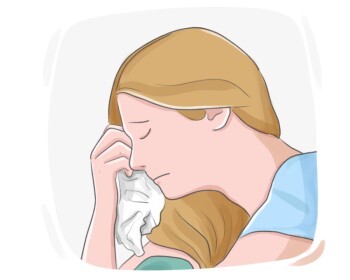
feeling very lonely and sad

pustiu, trist
pustiu, trist

Ex: After her best friend moved away, she felt desolate and struggled to find joy in her daily routine. 
Închide
Conectare
desolation
desolation
[substantiv]

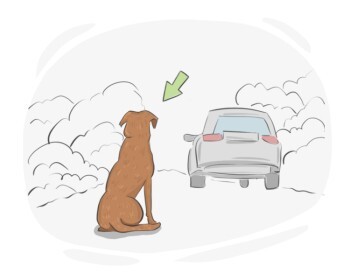
a state of complete emptiness, loneliness, or devastation

desolare, părăsire

desolare, părăsire

Ex: Standing amidst the ruins, the explorer felt a profound sense of desolation, imagining the vibrant city that once existed. 

Stând printre ruine, exploratorul a simțit un profund sentiment de pustietate, imaginându-și orașul vibrant care a existat odată.
Închide
Conectare
forlorn
forlorn
[adjectiv]

feeling abandoned or hopeless

disperat, părăsit

disperat, părăsit

Ex: The abandoned puppy looked forlorn, waiting by the roadside for its owner to return. 

Cățelul abandonat părea părăsit, așteptând pe marginea drumului întoarcerea stăpânului său.

Închide
Conectare
isolation
isolation
[substantiv]

the feeling of being alone, disconnected from others, or without social support

izolare
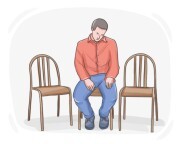
izolare

Ex: Working from home left her with a growing sense of isolation. 
Închide
Conectare
loneliness
loneliness
[substantiv]

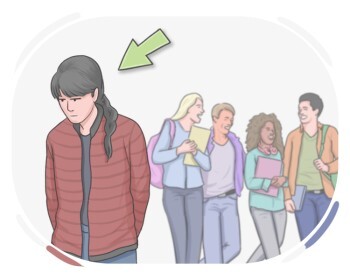
a sense of sadness or melancholy arising from being alone or lacking companionship

singurătate, izolare

singurătate, izolare

Ex: After moving to a new city, Sarah experienced deep loneliness as she struggled to make friends. 

După mutarea într-un oraș nou, Sarah a experimentat o profundă singurătate în timp ce se străduia să-și facă prieteni.
Închide
Conectare
loner
loner
[substantiv]

a person who actively avoids having any interaction with others

singuratic, izolat

singuratic, izolat

Ex: He was a loner in school, always sitting by himself during lunch. 

Era un singuratic la școală, mereu stătea singur la prânz.

Închide
Conectare
lonesome
lonesome
[adjectiv]

unhappy because of loneliness

singuratic, singur

singuratic, singur

Ex: Despite being surrounded by people, she couldn’t shake her lonesome feelings. 

În ciuda faptului că era înconjurată de oameni, nu și-a putut alunga sentimentele de singurătate.

Închide
Conectare
recluse
recluse
[substantiv]

an individual who lives by themselves and avoids all sorts of contact with other people

reclus, pustnic

reclus, pustnic

Ex: Deep in the forest, the hermit lived as a recluse for decades in a small cabin he built with his own hands. 

Adânc în pădure, pustnicul a trăit ca un recluz timp de decenii într-o mică colibă pe care o construise cu propriile mâini.

Închide
Conectare
reclusive
reclusive
[adjectiv]

preferring to be alone or avoiding social contact

singuratic, retras

singuratic, retras

Ex: Neighbors described the elderly widow who lived alone at the end of the street as very reclusive, rarely seeing her outside of her home. 

Vecinii au descris văduva în vârstă care locuia singură la capătul străzii ca fiind foarte retrasă, rareori fiind văzută în afara casei.

Închide
Conectare
solitary
solitary
[adjectiv]

alone, without companionship

singuratic, izolat

singuratic, izolat

Ex: The solitary star shone brightly in the night sky, surrounded by darkness. 

Steaua singuratică strălucea puternic pe cerul nopții, înconjurată de întuneric.

Închide
Conectare
solitude
solitude
[substantiv]

the state of being alone, often by choice, without social interaction

singurătate, izolare

singurătate, izolare

Ex: He enjoys the solitude of early mornings when no one is awake. 

Se bucură de singurătatea primelor ore ale dimineții când nimeni nu este treaz.
Închide
Conectare
to abhor
to abhor
[verb]

to hate a behavior or way of thought, believing that it is morally wrong

a detesta, a urî

a detesta, a urî

Ex: She abhors dishonesty and always values honesty above all else. 

Ea urăște necinstea și întotdeauna prețuiește onestitatea mai presus de orice.

Închide
Conectare
to detest
to detest
[verb]

to absolutely hate someone or something

a detesta, a urî

a detesta, a urî

Ex: She detests spiders and is terrified of them. 

Ea detestă păianjenii și le este groază de ei.

Închide
Conectare
grudge
grudge
[substantiv]

a deep feeling of anger and dislike toward someone because of what they did in the past

pică, resentiment

pică, resentiment

Ex: She still held a grudge against her colleague for taking credit for her work. 

Ea încă purta pică împotriva colegului său pentru că i-a luat meritul pentru munca ei.

Închide
Conectare
hate
hate
[substantiv]

strong dislike for someone or something

ură, aversiune

ură, aversiune

Ex: Despite their efforts to reconcile, Tom could still sense his brother's lingering hate towards him. 
Închide
Conectare
hatred
hatred
[substantiv]

a very strong feeling of dislike

ură, aversiune

ură, aversiune

Ex: The conflict was fueled by deep-seated hatred between the two rival factions. 

Conflictul a fost alimentat de o ură înrădăcinată între cele două facțiuni rivale.

Închide
Conectare
to loathe
to loathe
[verb]

to dislike something or someone very much, often with a sense of disgust

detesta, urî

detesta, urî

Ex: He loathes broccoli and refuses to eat it. 

El urăște broccoli și refuză să-l mănânce.

Închide
Conectare
LanGeek
Descarcă aplicația LanGeek