
pattern

Basic Sciences - Arithmetic

Study terms related to averages, fractions, basic operations, percentages, powers, roots, and classifications of numbers.

Revizuire

Fișe de studiu

Ortografie

Chestionar
Începe să înveți
Words Related to Basic Sciences
decimal
decimal
[substantiv]

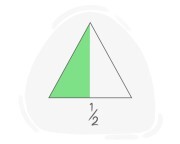
(mathematics) a number less than one, called a fraction, that is represented as a period followed by the number of tenths, hundredths, etc.

zecimal, număr zecimal
zecimal, număr zecimal

Ex: In mathematics, decimals are a way to represent fractions or portions of a whole using a decimal point. 
Închide
Conectare
fraction
fraction
[substantiv]

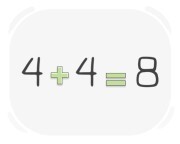
a number obtained by dividing one integer or rational number by another, typically written in the form a/b

fracție, fracție ordinară
fracție, fracție ordinară

Ex: One-half (1/2) is a simple fraction. 
Închide
Conectare
numerator
numerator
[substantiv]

Fractional number above the line

numărător, numărul de deasupra liniei

numărător, numărul de deasupra liniei

Închide
Conectare
addition
addition
[substantiv]

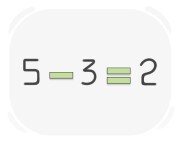
the calculation of the total of two or more numbers added together

adunare, sumă
adunare, sumă

Ex: Addition is the process of combining two or more numbers to get a total. 
Închide
Conectare
subtraction
subtraction
[substantiv]

the mathematical process of finding the difference between two numbers, quantities, or expressions

scădere, subtraere
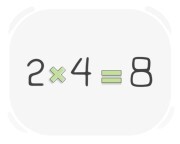
scădere, subtraere

Ex: In subtraction, 15 minus 7 equals 8. 
Închide
Conectare
multiplication
multiplication
[substantiv]

the process or action of adding a number to itself a specific number of times

înmulțire
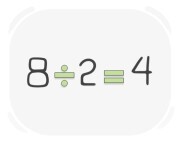
înmulțire

Ex: The teacher explained that multiplication can be represented using the "×" symbol. 
Închide
Conectare
division
division
[substantiv]

the process of calculating how many times a number can contain another number

diviziune, împărțire

diviziune, împărțire

Ex: In division, the number being divided is called the dividend. 
Închide
Conectare
divisor
divisor
[substantiv]

(mathematics) the number that divides another number in a division problem

divizor, număr divizor

divizor, număr divizor

Ex: A divisor is a number that divides another number evenly without leaving a remainder. 
Închide
Conectare
denominator
denominator
[substantiv]

the number below the line in a fraction that shows how many parts the numerator divides into

numitor, divizor

numitor, divizor

Închide
Conectare
common denominator
common denominator
[substantiv]

(mathematics) a number divisible by all the numbers that are below the line in a set of fractions

numitor comun, comun numitor
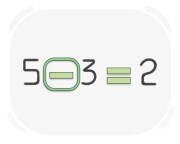
numitor comun, comun numitor

Închide
Conectare
minus
minus
[substantiv]

the sign - in mathematics, used to indicate subtraction or a negative number

minus, semnul minus
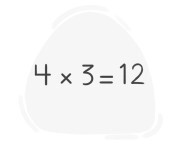
minus, semnul minus

Ex: In algebra, the minus is used to denote the opposite or negative of a number or variable. 
Închide
Conectare
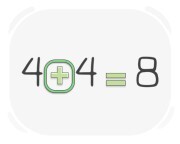
times
times
[prepoziție]

used to multiply a number by another

ori, înmulțit cu
ori, înmulțit cu

Ex: Three times four equals twelve. 
Închide
Conectare
plus
plus
[substantiv]

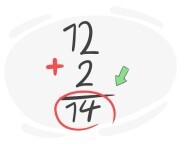
the sign + in mathematics, used to indicate addition or a positive number

plus, semnul plus
plus, semnul plus

Ex: In arithmetic, the plus is used to combine numbers or quantities. 
Închide
Conectare
sum
sum
[substantiv]

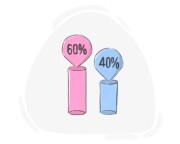
the whole amount of numbers added together

sumă, total
sumă, total

Ex: The sum of 5, 6, and 7 is 18. 
Închide
Conectare
percentage
percentage
[substantiv]

a number or amount expressed as a fraction of 100

procentaj

procentaj

Ex: The percentage of students who passed the exam increased significantly this year. 
Închide
Conectare
factorial
factorial
[substantiv]

the product of all positive whole numbers from 1 to a given number

factorial, factorial

factorial, factorial

Ex: The factorial of 5 is calculated as 5!=5×4×3×2×1=120. 
Închide
Conectare
power
power
[substantiv]

(mathematics) the exponent in an expression, indicating how many times a base is multiplied by itself

putere

putere

Ex: In the expression 3^4, the power is 4. 
Închide
Conectare
root
root
[substantiv]

a value that, when multiplied by itself a specified number of times, results in the given number

rădăcină, radical

rădăcină, radical

Ex: The square root of 16 is 4. 
Închide
Conectare
square
square
[substantiv]

the second exponent of any given number produced when multiplied by itself

pătrat, puterea a doua

pătrat, puterea a doua

Închide
Conectare
cube
cube
[substantiv]

the result of multiplying a number by itself three times

cub, puterea a treia

cub, puterea a treia

Ex: The cube of two is eight. 
Închide
Conectare
prime number
prime number
[substantiv]

a number greater than 1 with only two devisors which can be itself or 1

număr prim

număr prim

Ex: 7 is a prime number because its only divisors are 1 and 7. 
Închide
Conectare
rational number
rational number
[substantiv]

a number that can be written as a fraction, where both the top and bottom are whole numbers, and the bottom is not zero

număr rațional, fracție rațională

număr rațional, fracție rațională

Ex: 3/4 is a rational number because it can be written as a fraction of two integers. 
Închide
Conectare
irrational number
irrational number
[substantiv]

a number incapable of being expressed as a ratio of two integers

număr irațional, număr incomensurabil

număr irațional, număr incomensurabil

Ex: The square root of 2 is an irrational number. 
Închide
Conectare
natural number
natural number
[substantiv]

(mathematics) any positive whole number starting from 1 and counting upward, like 1, 2, 3, 4, and so on
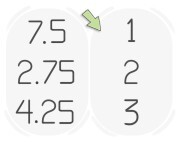
Ex: The set of natural numbers begins with 1 and never ends. 
Închide
Conectare
whole number
whole number
[substantiv]

any positive number without fractions or decimals, including zero

număr întreg, număr natural

număr întreg, număr natural

Ex: The numbers 0, 1, 2, 3, and so on are all whole numbers. 
Închide
Conectare
integer
integer
[substantiv]

any number without fractions or decimals, including positive numbers, negative numbers, and zero

număr întreg

număr întreg

Ex: The numbers -3, 0, and 7 are all integers. 
Închide
Conectare
real number
real number
[substantiv]

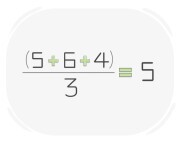
any number that can be found on the number line, including both positive and negative numbers, zero, and fractions

număr real, real
număr real, real

Ex: The number 5 is a real number because it can be located on the number line. 
Închide
Conectare
to average

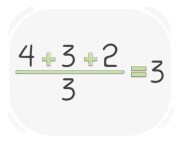
to find the sum of a set of numbers and then divide by the total number of values in the set

a calcula media, a face media
a calcula media, a face media

Ex: The teacher averaged the students' test scores to determine their overall performance in the class. 
Închide
Conectare
mean
mean
[substantiv]

(mathematics) the average value of a set of quantities calculated by adding them, and dividing them by the total number of the quantities

medie, medie aritmetică

medie, medie aritmetică

Ex: To find the mean of 4, 6, and 8, add them together and divide by 3. 
Închide
Conectare
even number
even number
[substantiv]

(mathematics) any integer that can be divided by 2 without leaving a remainder

Ex: The numbers 2, 4, 6, and 8 are all even numbers. 
Închide
Conectare
odd number
odd number
[substantiv]

(mathematics) any integer that cannot be divided by 2 without leaving a remainder of 1

Ex: The numbers 1, 3, 5, and 7 are all odd numbers. 
Închide
Conectare
LanGeek
Descarcă aplicația LanGeek
