


admiration for someone or something because of their achievements, qualities, etc.

уважение
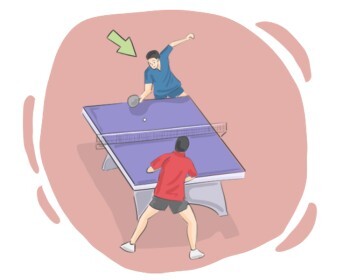
someone who plays against another player in a game, contest, etc.
противник
Два соперника сошлись в финальном матче теннисного турнира.

a competition in which two players or teams compete against one another such as soccer, boxing, etc.
матч
Футбольный матч закончился вничью, обе команды забили по два гола.

to greet someone with a gesture or expression, often indicating respect or friendliness
приветствовать, отдавать честь
Войдя в офис, она приветствовала своих коллег теплой улыбкой, создавая дружескую атмосферу.
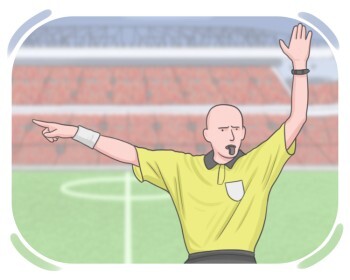
an official who is in charge of a game, making sure the rules are obeyed by the players
рефери
Судья дал свисток, сигнализируя об окончании матча, к большому облегчению измученных игроков.

a group of people who have gathered to watch and listen to a play, concert, etc.
аудитория
Он нервничал, выступая перед большой аудиторией.

the act of showing respect, fairness, and kindness to others while participating in sports or games, regardless of the outcome
спортивное поведение, честная игра
Хотя его команда проиграла, Майк проявил великолепное спортивное поведение, поздравив победителей.
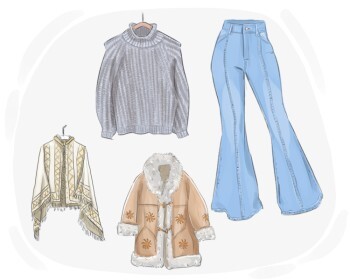
the items that we wear, particularly a specific type of items
одежда
В некоторых культурах есть традиционная одежда, которая имеет большое культурное значение.
an established way of thinking or doing something among a specific group of people
традиция
Каждый год семья следует традиции собираться на праздничный ужин.
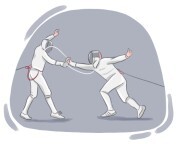
a martial art in which two people fight using long and thin swords
фехтование
Фехтование требует ловкости и точности, чтобы переиграть противника.
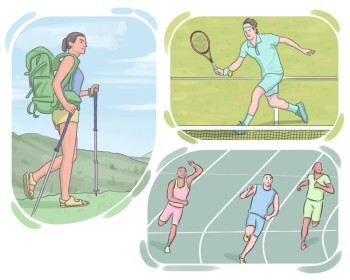
a physical activity or competitive game with specific rules that people do for fun or as a profession
спорт
Баскетбол — это динамичный спорт, который требует быстрого мышления и ловкости.

a type of weapon consisting of a long metal blade and a handle
меч, шпага
Он восхищался древним мечом самурая, выставленным в музее.
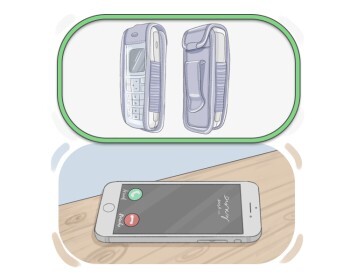
(of a thing) having been used or existing for a long period of time
старый
У нее были старые фотографии ее родителей, выставленные на стене.
a description of a past event available in the form of a writing or recorded voice
история
Книга содержит историю древнего Египта.
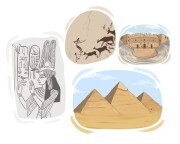
related or belonging to a period of history that is long gone
древний
Она изучала древние цивилизации, такие как египтяне и греки, на уроке истории.

a country on the continent of Africa with a rich history, famous for its pyramids, temples, and pharaohs
Египет
Александрия, город в Египте, известен своей древней библиотекой.

a country with a long history and rich culture located in South Eastern Europe and Northern Mediterranean Sea
Греция
Греция славится своими историческими местами и красивыми островами.
the capital city of Italy, historically significant as the center of the Roman Empire and the seat of the Vatican
Рим
Они провели медовый месяц в Риме, исследуя древние руины и наслаждаясь итальянской кухней.
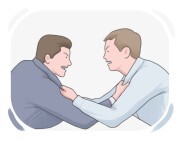
to take part in a violent physical action against someone
сражаться, драться
Солдаты храбро сражались на передовой во время войны.
the actions taken by an individual to protect themselves or their property from harm or damage
самооборона, личная защита
Он брал уроки боевых искусств для самозащиты.

an era in European history, between about AD 1000 and AD 1500, when the authority of kings, people of high rank, and the Christian Church was unquestionable
Средние века
Многие важные университеты и центры обучения были основаны в Европе в течение Средневековья.
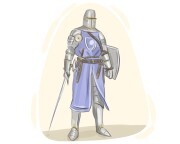
(in the Middle Ages) a man of high social rank, wearing armor and riding a horse, who is loyal to his king
рыцарь
Рыцарь въехал в битву с поднятым мечом.
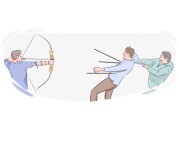
to prevent someone or something from being damaged or harmed
защищать
Большинство демократов считают, что такие правила защищают общественность.

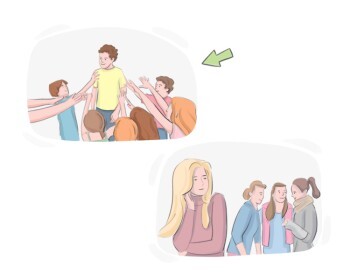
receiving a lot of love and attention from many people
популярный
Она самая популярная ученица в своем классе.
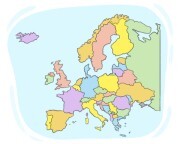
the second smallest continent, next to Asia in the east, the Atlantic Ocean in the west, and the Mediterranean Sea in the south
Европа
В Европе хорошо развита транспортная система.

relating to Italy or its people or language
итальянский
Семья Марии иммигрировала из Италии, поэтому они отмечают свое итальянское наследие, устраивая традиционные итальянские пиры во время праздников.
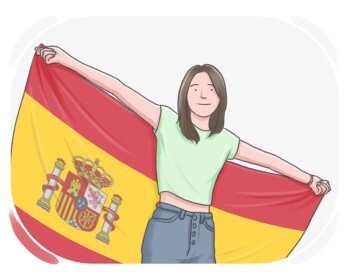
relating to Spain or its people or language
испанский
Фламенко - это традиционный испанский танец, известный своими выразительными движениями.
an athlete who participates in the sport of fencing
фехтовальщик, рапирист
Концентрация и сосредоточенность фехтовальщика были ключевыми для выигрыша решающих очков.
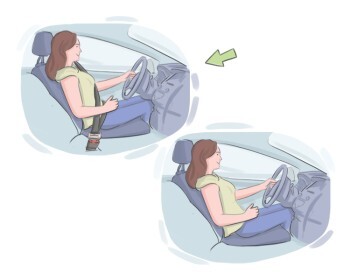
in a way that avoids harm or danger
безопасно
Спасатель внимательно наблюдал за пловцами, чтобы убедиться, что они играют безопасно в бассейне.

a place where children learn things from teachers
школа
Он забыл свою домашнюю работу и должен был срочно вернуться в школу, чтобы забрать её.
(of a thing or type of behavior) appropriate for or intended to defend one against damage or harm
защитный
Его защитные инстинкты сработали, когда он увидел опасность, что побудило его защитить своих близких от вреда.

a suggestion or thought about something that we could do
идея
Сара предложила блестящую идею для предстоящего сбора средств.
to cause something to reach or affect a larger area or group of people
распространять
Новость о катастрофе распространила страх по всему сообществу.
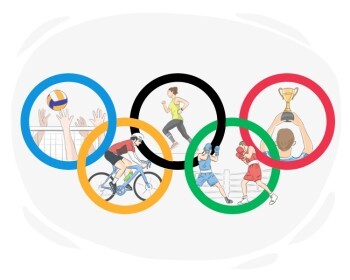
a global sporting event held every four years, where athletes from around the world compete in various sports for medals
Олимпийские игры
Спортсмены тренировались годами, чтобы пройти квалификацию на Олимпийские игры.
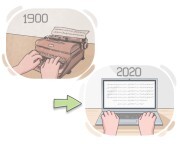
related to the most recent time or to the present time
современный
Документальный фильм исследует вызовы, стоящие перед современным обществом.
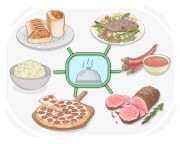
a class or group of people or things that have common characteristics or share particular qualities
тип, род
Как учитель, важно понимать предпочтения в обучении разных типов учеников.
a type of sword used in the sport of fencing, characterized by its flexible blade and specific rules for scoring points
рапира, шпага для рапиры
Рапира фехтовальщика сверкала под огнями арены.
a weapon characterized by a three-sided blade and a bell guard, used in competitive fencing where the entire body is a valid target area for scoring points
шпага, рапира
Фехтовальщица скорректировала хват шпаги, чтобы улучшить контроль острия.
a type of sword used in fencing, characterized by its slightly curved blade and specific rules for scoring points in saber fencing
сабля, рапира для сабли
Он усердно тренировался с саблей, чтобы улучшить свою технику.

instructions or guidelines that determine how a game or sport is played
правило
Правила шахмат определяют, как движется каждая фигура.
an automatic instinctive unlearned reaction to a stimulus
рефлекс, рефлекторная реакция
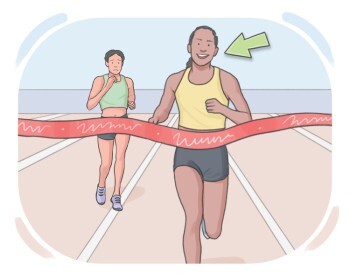
to become the most successful, the luckiest, or the best in a game, race, fight, etc.
выигрывать
Наша команда выиграла чемпионат после тяжелого сезона.
characterized by a high level of refinement in both taste and manners
вежливый, учтивый
Фешенебельный ресторан обладал утончённой атмосферой, с изысканной кухней и элегантным декором.

(of rules and regulations) absolute and must be obeyed under any circumstances
строгий, точный
В компании действуют строгие правила для обеспечения безопасности на рабочем месте для всех сотрудников.
