


admiration for someone or something because of their achievements, qualities, etc.

úcta
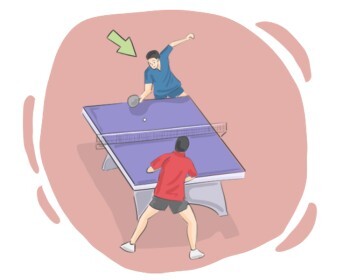
someone who plays against another player in a game, contest, etc.
protivník, soupeř
Její hlavní soupeř v soutěži byl známý svým rychlým rozhodováním.

a competition in which two players or teams compete against one another such as soccer, boxing, etc.
zápas
Tvrdě trénoval na nadcházející zápas, odhodlaný zlepšit svůj výkon a vyhrát.

to greet someone with a gesture or expression, often indicating respect or friendliness
pozdravit, projevit úctu
Jak vlak přijíždí na nádraží, cestující nadšeně zdraví své blízké, kteří čekají na nástupišti.
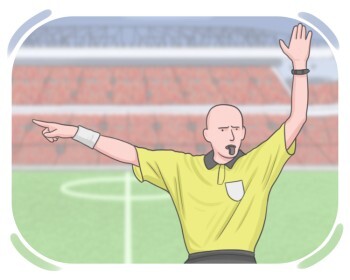
an official who is in charge of a game, making sure the rules are obeyed by the players
rozhodčí, sudí
Po přezkoumání videozáznamu rozhodčí zvrátil původní rozhodnutí a udělil protějšímu týmu pokutový kop.

a group of people who have gathered to watch and listen to a play, concert, etc.
publikum, posluchači
Divadlo bylo plné nadšeného publika.

the act of showing respect, fairness, and kindness to others while participating in sports or games, regardless of the outcome
sportovní chování, fair play
Trenér zdůraznil sportovní chování během zápasu a připomněl všem, aby respektovali rozhodnutí rozhodčího.
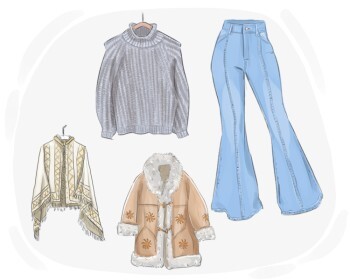
the items that we wear, particularly a specific type of items
oblečení, oděv
Při cestování do horkého podnebí je nezbytné zabalit lehké a prodyšné oblečení.
an established way of thinking or doing something among a specific group of people
tradice, zvyk
Některé tradice jsou hluboce zakořeněny v kulturních nebo náboženských praktikách.
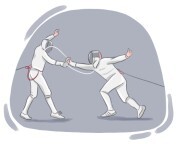
a martial art in which two people fight using long and thin swords
šerm
Škola nabízí šerm jako mimoškolní aktivitu pro studenty, kteří mají zájem o tento sport.
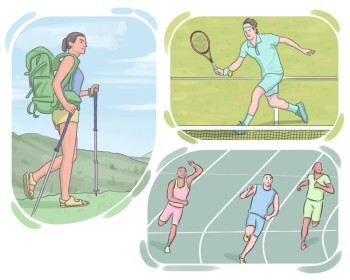
a physical activity or competitive game with specific rules that people do for fun or as a profession
sport
Hokej je vzrušující sport, který se hraje na ledě nebo na hřišti, s hokejkami a malým pukem nebo míčkem.
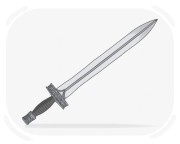
a type of weapon consisting of a long metal blade and a handle
meč, šavle
Rytář vytáhl svůj meč z pochvy, připraven bránit hrad.
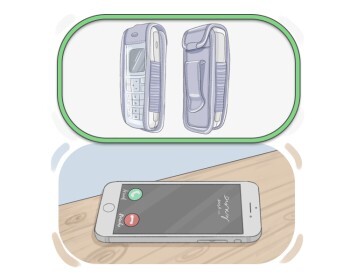
(of a thing) having been used or existing for a long period of time
starý, starověký
Opravil starý hodiny, které přestaly tikat.
a description of a past event available in the form of a writing or recorded voice
historie
Zaznamenali historii společnosti pro budoucí generace.
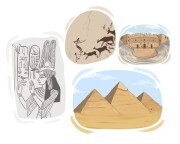
related or belonging to a period of history that is long gone
starověký, dávný
Muzeum uchovávalo artefakty ze starověkého Egypta, včetně keramiky a šperků.
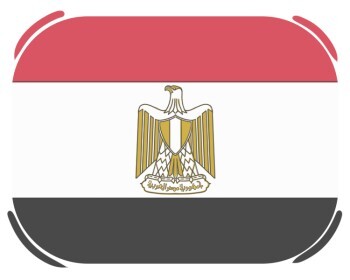
a country on the continent of Africa with a rich history, famous for its pyramids, temples, and pharaohs
Egypt
Pyramidy jsou nejznámější turistické atrakce v Egyptě.

a country with a long history and rich culture located in South Eastern Europe and Northern Mediterranean Sea
Řecko, Řecko
Olympijské hry vznikly v Řecku.
the capital city of Italy, historically significant as the center of the Roman Empire and the seat of the Vatican
Řím
Vatikán, nacházející se v Římě, je sídlem katolické církve.
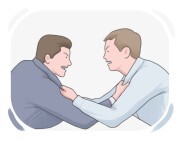
to take part in a violent physical action against someone
bojovat, prát se
Členové gangu bojovali na ulici, což způsobilo chaos.
the actions taken by an individual to protect themselves or their property from harm or damage
sebeobrana, osobní obrana
Po napadení tvrdil sebeobranu.
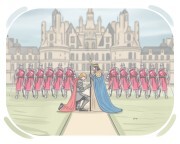
an era in European history, between about AD 1000 and AD 1500, when the authority of kings, people of high rank, and the Christian Church was unquestionable
středověk, středověké období
Hrady a rytíři jsou ikonickými symboly života během středověku.
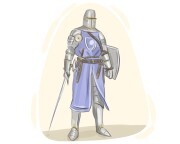
(in the Middle Ages) a man of high social rank, wearing armor and riding a horse, who is loyal to his king
rytíř, paladin
Sir Lancelot je jeden z nejslavnějších rytířů artušovské legendy.
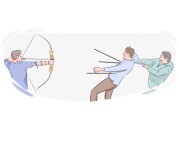
to prevent someone or something from being damaged or harmed
chránit, zachovat
Byly vyslány jednotky, aby chránily pracovníky humanitární pomoci před útoky.

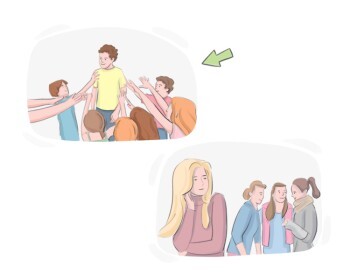
receiving a lot of love and attention from many people
populární, milovaný
The Beatles zůstávají populární kapelou, dokonce i desetiletí po prvním vydání jejich hudby.
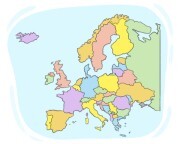
the second smallest continent, next to Asia in the east, the Atlantic Ocean in the west, and the Mediterranean Sea in the south
Evropa
Mnoho turistů navštěvuje Evropu, aby zažilo její pulzující noční život a zábavu.

relating to Italy or its people or language
italský
Marco vysněná dovolená je prozkoumat malebný venkov Toskánska a vychutnat si chutě italského vína a kuchyně.
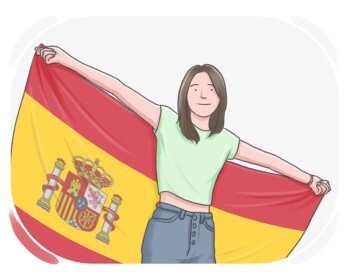
relating to Spain or its people or language
španělský
Španělské umění, jako jsou díla Pabla Picassa a Salvadora Dalího, je celosvětově proslulé.
an athlete who participates in the sport of fencing
šermíř, fleretista
Každý šermíř prochází přísným tréninkem, aby zvládl techniky a taktiky šermu.
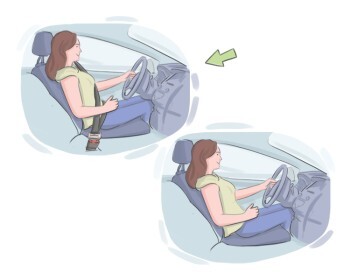
in a way that avoids harm or danger
bezpečně, bez nebezpečí
Šéf bezpečně zacházel s ostrými noži, čímž se vyhnul nehodám v kuchyni.

a place where children learn things from teachers
škola, vzdělávací zařízení
Studujeme různé předměty, jako je matematika, věda a angličtina ve škole.
(of a thing or type of behavior) appropriate for or intended to defend one against damage or harm
ochranný, obranný
Ochranná povaha matky se projevila, když pocítila ohrožení bezpečnosti svých dětí, což ji přimělo jednat rychle.

a suggestion or thought about something that we could do
nápad, návrh
Manažer uvítal jakékoli nápady od zaměstnanců ke zlepšení pracovní morálky.
to cause something to reach or affect a larger area or group of people
šířit, rozprostírat
Kampaň rozšířila svůj vliv na sousední města.
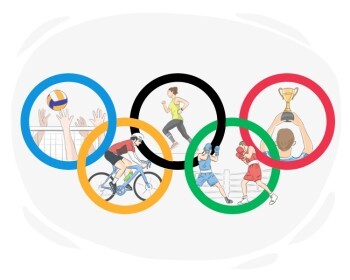
a global sporting event held every four years, where athletes from around the world compete in various sports for medals
Olympijské hry
Zahajovací ceremoniál Olympijských her je podívaná na kulturu a sport.
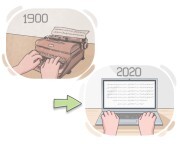
related to the most recent time or to the present time
moderní, současný
Pokroky v moderní medicíně výrazně zlepšily délku života.
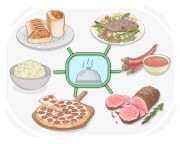
a class or group of people or things that have common characteristics or share particular qualities
typ, kategorie
Muzeum vystavuje umění různých typů umělců, jak moderních, tak klasických.
a type of sword used in the sport of fencing, characterized by its flexible blade and specific rules for scoring points
fleret, šavle používaná ve sportovním šermu
Pečlivě zamířil, než bodl fleretem.
a weapon characterized by a three-sided blade and a bell guard, used in competitive fencing where the entire body is a valid target area for scoring points
kord, fleret
Její soupeř se bránil proti úderům kordů rychlými kryty a protiútoky.
a type of sword used in fencing, characterized by its slightly curved blade and specific rules for scoring points in saber fencing
šavle, šavlový meč
Mávl svým šavlí rychlým, rozhodným pohybem.
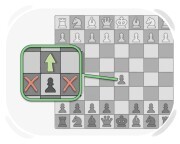
instructions or guidelines that determine how a game or sport is played
pravidlo, předpis
Hra má pravidla pro získávání bodů.
an automatic instinctive unlearned reaction to a stimulus
reflex, reflexní reakce
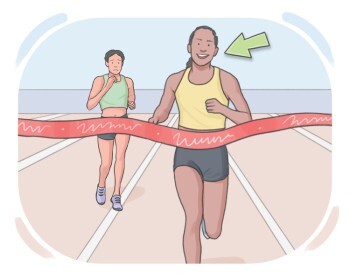
to become the most successful, the luckiest, or the best in a game, race, fight, etc.
vyhrát, zvítězit
Vyhráli hru v posledních sekundách s úžasným gólem.
characterized by a high level of refinement in both taste and manners
zdvořilý, uhlazený
Formální čajový dýchánek vyžadoval, aby hosté dodržovali zdvořilý dress code a bezchybné chování.

(of rules and regulations) absolute and must be obeyed under any circumstances
přísný, striktní
Knihovna má přísnou politiku proti zpožděným knihám, ukládá pokuty za pozdní vrácení.
