pattern

书籍 Total English - 中级 - 单元4 - 参考 - 第2部分

在这里,您将找到Total English Intermediate课本第4单元 - 参考 - 第2部分的词汇,如“宽容”、“讨价还价”、“票价”等。

审查

闪卡

词形

拼写

测验
开始学习
Total English - Intermediate
tolerant
tolerant
[形容词]

showing respect to what other people say or do even when one disagrees with them

宽容的, 包容的

宽容的, 包容的

Ex: Despite their differences in political beliefs, the tolerant siblings respected each other's perspectives and engaged in constructive conversations. 

尽管他们在政治信仰上存在差异,宽容的兄弟姐妹尊重彼此的观点,并进行了建设性的对话。

关闭
登录
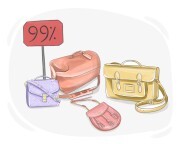
to afford
to afford
[动词]

to be able to pay the cost of something

负担得起, 有能力支付
负担得起, 有能力支付

Ex: Financial stability allows individuals to afford unexpected expenses without causing hardship. 
关闭
登录
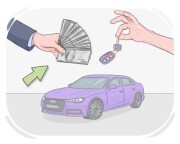
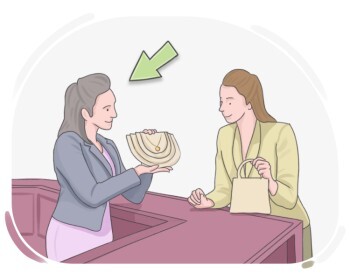
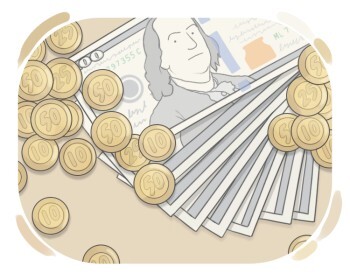
bargain
bargain
[名词]

something bought or offered at a price lower than usual or lower than its value

便宜货,  特价品
便宜货, 特价品

Ex: This jacket was only twenty dollars, so it was a bargain. 
关闭
登录
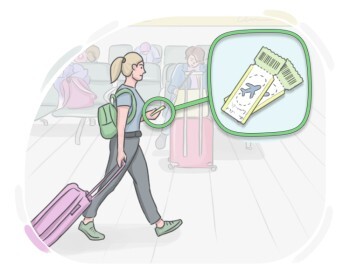
cash
cash
[名词]

money in bills or coins, rather than checks, credit, etc.

现金, 现款
现金, 现款

Ex: The store offers a discount if you pay with cash. 
关闭
登录
ticket
ticket
[名词]

a piece of paper or card that shows you can do or get something, like ride on a bus or attend an event

票, 门票
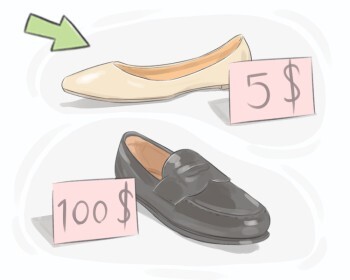
票, 门票

Ex: They checked our tickets at the entrance of the stadium. 
关闭
登录
cheap
cheap
[形容词]

having a low price

便宜, 廉价的

便宜, 廉价的

Ex: The shirt she bought was very cheap; she got it on sale. 
关闭
登录
checkout
checkout
[名词]

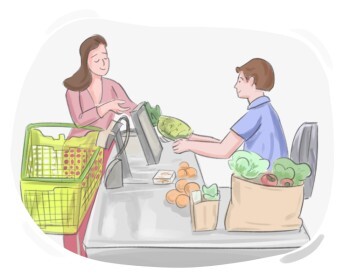
a place in a supermarket where people pay for the goods they buy

收银台, 付款处

收银台, 付款处

Ex: The line at the checkout stretched all the way to the back of the store during the busy holiday season. 

在繁忙的假日季节,收银台前的队伍一直延伸到商店的后面。

关闭
登录
credit card
credit card
[名词]

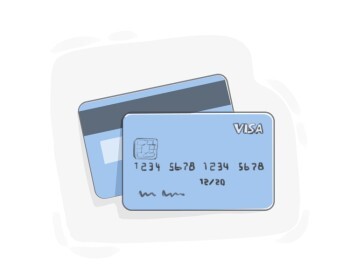
a plastic card, usually given to us by a bank, that we use to pay for goods and services

信用卡, 银行卡

信用卡, 银行卡

Ex: He forgot to sign the back of his credit card. 

他忘了在信用卡背面签名。

关闭
登录
expensive
expensive
[形容词]

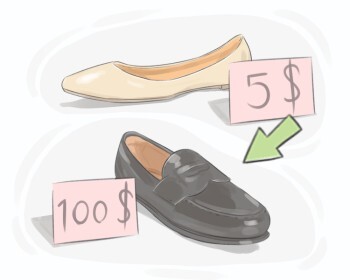
having a high price

昂贵的, 高价的

昂贵的, 高价的

Ex: The designer bag she loves is beautiful but extremely expensive. 
关闭
登录
impulse
impulse
[名词]

a sudden strong urge or desire to do something, often without thinking or planning beforehand

冲动, 突然的欲望

冲动, 突然的欲望

Ex: He acted on impulse and called her, even though he wasn’t sure why. 

他一时冲动给她打了电话,尽管他也不确定为什么。

关闭
登录
price
price
[名词]

the amount of money required for buying something

价格
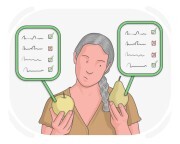
价格

Ex: The price of groceries has increased lately. 
关闭
登录
comparison
comparison
[名词]

the process of examining the similarities and differences between two or more things or people

比较
比较

Ex: The comparison of Italian and Spanish reveals that they share many similar words and grammatical structures. 
关闭
登录
website
website
[名词]

a group of related data on the Internet with the same domain name published by a specific individual, organization, etc.

网站, 网页

网站, 网页

Ex: The company has a user-friendly website for customers to shop online. 

该公司有一个用户友好的网站,供客户在线购物。

关闭
登录
to purchase
to purchase
[动词]

to get goods or services in exchange for money or other forms of payment

购买, 采购
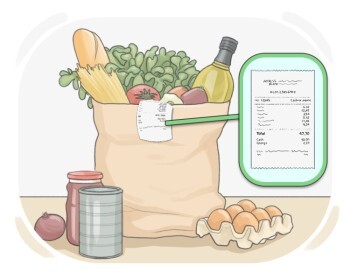
购买, 采购

Ex: The family has recently purchased a new car for their daily commute. 
关闭
登录
receipt
receipt
[名词]

a written or electronic record showing that money, goods, or services have been received or paid for
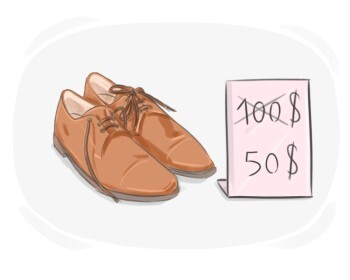
Ex: The cashier handed Emma a receipt after she paid. 
关闭
登录
reduced
reduced
[形容词]

lower than usual or expected in amount or quantity

减少的, 降低的

减少的, 降低的

Ex: The sale offered reduced prices on a wide range of merchandise, making it a popular shopping event. 

促销活动提供了多种商品的降价,使其成为一个受欢迎的购物活动。

关闭
登录
refund
refund
[名词]

an amount of money that is paid back because of returning goods to a store or one is not satisfied with the goods or services

退款, 退还

退款, 退还

Ex: The store offers a refund if you're not satisfied with your purchase. 

如果您对购买不满意,商店提供退款。

关闭
登录
to save
to save
[动词]

to keep money to spend later

节省, 储蓄

节省, 储蓄

Ex: Many people save a small amount each day without realizing how it adds up over time. 
关闭
登录
to spend
to spend
[动词]

to use money as a payment for services, goods, etc.

花费, 支出
花费, 支出

Ex: She doesn't like to spend money on things she doesn't need. 
关闭
登录
to shop around

to compare the prices or quality of goods or services from different suppliers or stores before making a purchase

购买前比较不同商家的价格或质量, 多比较几家商店或供应商以寻找最划算的选择

购买前比较不同商家的价格或质量, 多比较几家商店或供应商以寻找最划算的选择

Ex: The couple is currently shopping around for a reliable car insurance policy. 

这对夫妇目前正在货比三家,寻找一份可靠的汽车保险单。

关闭
登录
sale
sale
[名词]

the act of selling something

销售

销售

Ex: He made a lot of profit from the sale of his paintings. 

他从他的画作的销售中获得了大量利润。

关闭
登录
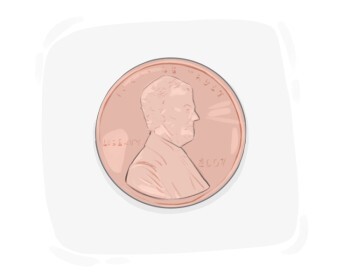
coin
coin
[名词]

a small, flat piece of metal issued by a government and used as money

硬币,  钱币
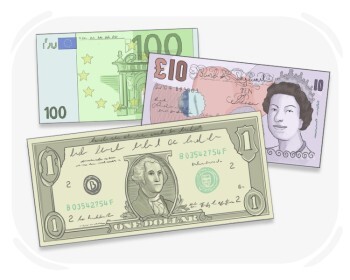
硬币, 钱币

Ex: Daniel put a coin into the parking meter. 
关闭
登录
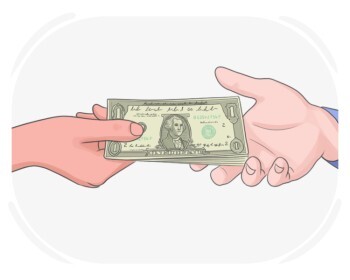
note
note
[名词]

paper money issued by a government or financial institution that is used to buy goods and services

纸币, 钞票
纸币, 钞票

Ex: The crisp, new note felt fresh between her fingers as she counted her money. 
关闭
登录
fare
fare
[名词]

the amount of money charged for traveling by bus, train, taxi, plane, or another form of transport

车费
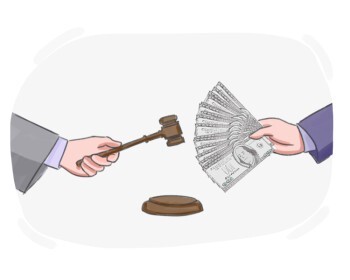
车费

Ex: Daniel paid the taxi fare in cash. 
关闭
登录
fine
fine
[名词]

an amount of money that must be paid as a legal punishment

罚款, 罚金

罚款, 罚金

Ex: The fine for parking in a disabled parking spot without a permit is significant. 
关闭
登录
fun
fun
[形容词]

providing entertainment or amusement

有趣的, 娱乐的
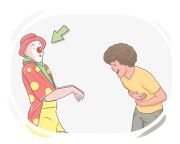
有趣的, 娱乐的

Ex: Riding roller coasters at the theme park is always a fun experience. 
关闭
登录
funny
funny
[形容词]

able to make people laugh

有趣的, 滑稽的

有趣的, 滑稽的

Ex: The cartoon was so funny that I couldn't stop laughing. 
关闭
登录
to lend
to lend
[动词]

to give something to someone temporarily, expecting them to return it later

借出,  借给
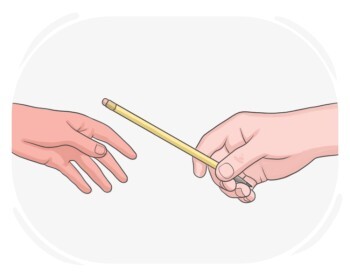
借出, 借给

Ex: Emma lent Daniel her car for the weekend. 
关闭
登录
to borrow
to borrow
[动词]

to use or take something belonging to someone else, with the idea of returning it

借, 借用
借, 借用

Ex: Instead of buying a lawnmower, he chose to borrow one from his neighbor for the weekend. 
关闭
登录
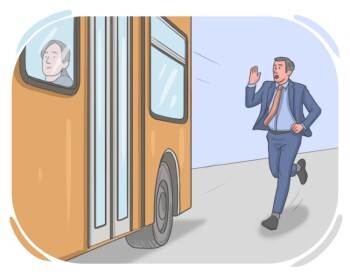
to miss
to miss
[动词]

to fail to catch a bus, airplane, etc.

错过, 没赶上

错过, 没赶上

Ex: She was so engrossed in her book that she missed her metro stop. 
关闭
登录
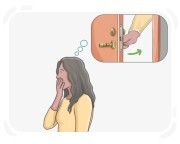
to lose
to lose
[动词]

to be deprived of or stop having someone or something

失去, 被剥夺
失去, 被剥夺

Ex: If you don't take precautions, you might lose your belongings in a crowded place. 
关闭
登录
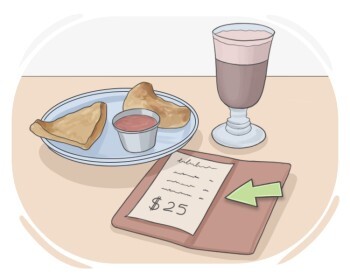
bill
bill
[名词]

a piece of printed paper that shows the amount of money a person has to pay for goods or services received

账单, 发票
账单, 发票

Ex: He left a generous tip with the bill before leaving the restaurant. 
关闭
登录
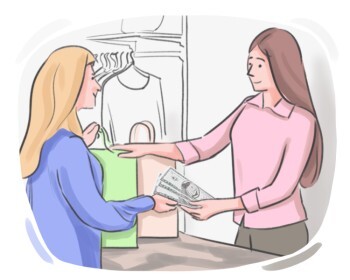
change
change
[名词]

the money that is returned to us when we have paid more than the actual cost of something

找零, 零钱
找零, 零钱

Ex: As I paid for my bus fare with a larger bill, the driver handed me my change along with the ticket. 
关闭
登录
to remember
to remember
[动词]

to bring a type of information from the past to our mind again

记得, 回想起
记得, 回想起

Ex: We remember our childhood memories fondly. 
关闭
登录
to remind
to remind
[动词]

to make a person remember an obligation, task, etc. so that they do not forget to do it

提醒, 使想起
提醒, 使想起

Ex: Right now, the colleague is actively reminding everyone to RSVP for the office event. 
关闭
登录
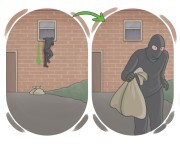
to rob
to rob
[动词]

to illegally take money or property from a person, place, or organization

抢劫,  掠夺

抢劫, 掠夺

Ex: Someone tried to rob a convenience store near Jake's apartment. 
关闭
登录
to steal
to steal
[动词]

to take something from someone or somewhere without permission or paying for it

偷, 窃取

偷, 窃取

Ex: While we were at the party, someone was stealing valuables from the guests. 
关闭
登录
LanGeek
下载LanGeek应用程序