pattern

Goethe-Zertifikat B1 - Conjunctions and Sentence Logic

Review

Flashcards

Spelling

Quiz

Start learning
Goethe-Zertifikat B1
ob
ob
[conjunction]

Leitet indirekte Ja/Nein-Fragen ein

whether, if

whether, if

Ex: Frag sie, ob sie Hunger hat! 

Ask her if she's hungry!

Close
Sign in
obwohl
obwohl
[conjunction]

Leitet einen Gegensatz ein

although, even though

although, even though

Ex: Obwohl er müde war, arbeitete er weiter. 

Even though he was tired, he kept working.

Close
Sign in
allerdings
allerdings
[Adverb]

Wird verwendet, um einen Gegensatz oder Einschränkung auszudrücken

however, but

however, but

Ex: Das Projekt ist gut, allerdings zu teuer. 

The project is good, however too expensive.

Close
Sign in
jedoch
jedoch
[conjunction]

Drückt einen Gegensatz oder eine Einschränkung aus

however, but

however, but

Ex: Es ist gefährlich, jedoch notwendig. 

It's dangerous, yet necessary.

Close
Sign in
trotzdem
trotzdem
[conjunction]

Drückt einen Gegensatz oder eine unerwartete Folge aus, oft nach einer Konzession

nevertheless, despite that

nevertheless, despite that

Ex: Er war krank, trotzdem kam er zur Arbeit. 

He was sick, but still he came to work.

Close
Sign in
zwar
zwar
[particle]

Einräumung einer Tatsache, die oft mit "aber" kontrastiert wird

though

though

Ex: Das Haus ist zwar teuer, doch perfekt gelegen. 

The house is admittedly expensive, but perfectly located.

Close
Sign in
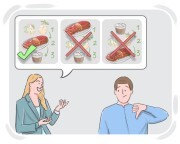
sondern
sondern
[conjunction]

Wird verwendet, um eine gegensätzliche oder korrigierende Aussage einzuleiten

but rather, but instead

but rather, but instead

Ex: Sie ist nicht Ärztin, sondern Krankenschwester. 

She is not a doctor, but rather a nurse.
Close
Sign in
dagegen
dagegen
[Adverb]

Gegen etwas sein

against, opposed to

against, opposed to

Ex: Warum bist du dagegen? 

Why are you against it?

Close
Sign in
einerseits
einerseits
[Adverb]

Leitet den ersten Teil eines Gegensatzes oder Vergleichs ein

on one hand

on one hand

Ex: Einerseits ist die Wohnung günstig, andererseits liegt sie weit weg. 
Close
Sign in
andererseits
andererseits
[Adverb]

Wird verwendet, um einen gegensätzlichen oder ergänzenden Aspekt einzuführen

on the other hand, on the flip side

on the other hand, on the flip side

Ex: Die Stelle bietet ein hohes Gehalt. Andererseits ist sie sehr stressig. 

The job offers a high salary. On the flip side, it's very stressful.

Close
Sign in
sowohl...als auch
sowohl...als auch
[conjunction]

Drückt aus, dass zwei Dinge gleichzeitig gelten oder zusammen passieren

both … and

both … and

Ex: Er spricht sowohl Spanisch als auch Französisch. 

He speaks both Spanish and French.

Close
Sign in
entweder...oder
entweder...oder
[preposition]

Verbindung zweier Möglichkeiten, von denen nur eine gewählt werden kann

either … or

either … or

Ex: Entweder rufst du ihn an, oder ich mache es. 

Either you call him, or I will.

Close
Sign in
weder...noch
weder...noch
[interjection]

Verneint zwei Dinge oder Aussagen gleichzeitig

neither ... nor

neither ... nor

Ex: Er spricht weder Deutsch noch Französisch. 

He speaks neither German nor French.

Close
Sign in
damit
damit
[Adverb]

Verweist auf ein bereits erwähntes Objekt oder eine Situation und zeigt Instrumentalität oder Begleitung an

with it

with it

Ex: Sie hat ein Messer.  Damit schneidet sie das Brot. 

She has a knife. With it, she cuts the bread.

Close
Sign in
um zu
um zu
[preposition]

leitet einen Zweck oder ein Ziel ein und zeigt, warum man etwas tut

in order to, to

in order to, to

Close
Sign in
indem
indem
[conjunction]

Beschreibt die Art und Weise oder Methode, wie etwas geschieht

by, through

by, through

Ex: Wir kauften ein Auto, indem wir Geld sparten. 

We bought a car by saving money.

Close
Sign in
sodass
sodass
[conjunction]

Leitet eine Folge oder Konsequenz aus einer vorherigen Handlung oder Situation ein

so that, with the result that

so that, with the result that

Ex: Sie sprach laut, sodass alle es hörten. 

She spoke loudly, so that everyone heard it.
Close
Sign in
daher
daher
[Adverb]

-

Ex: Ich bin erkältet, daher kann ich heute nicht kommen. 
Close
Sign in
deswegen
deswegen
[Adverb]

Aus diesem Grund

therefore, that's why, for this reason

therefore, that's why, for this reason

Ex: Ich hatte Kopfschmerzen, deswegen bin ich früher gegangen. 

I had a headache, that's why I left early.

Close
Sign in
weshalb
weshalb
[Adverb]

Aus welchem Grund

why

why

Ex: Weshalb ist der Zug verspätet? 

Why is the train delayed?

Close
Sign in
wieso
wieso
[Adverb]

Aus welchem Grund

why, how come

why, how come

Ex: Wieso hast du das getan? 

Why did you do that?

Close
Sign in
als ob
als ob
[conjunction]

Drückt eine nicht reale oder hypothetische Situation aus

as if, as though

as if, as though

Ex: Es war so kalt, als ob es Winter wäre. 

It was so cold as if it were winter.

Close
Sign in
während
während
[preposition]

Im Verlauf einer Zeitspanne

during, throughout

during, throughout

Ex: Während der Sitzung schlief er ein! 

He fell asleep during the meeting!

Close
Sign in
bevor
bevor
[conjunction]

Eine zeitliche Abfolge an und bedeutet, dass eine Handlung vor einer anderen stattfindet

before

before

Ex: Bevor du dich entscheidest, denk gut nach. 

Before you decide, think carefully.

Close
Sign in
nachdem
nachdem
[conjunction]

Leitet einen temporalen Nebensatz ein, der eine Handlung beschreibt, die vor der Hauptsatzhandlung stattgefunden hat

after, afterward

after, afterward

Ex: Nachdem der Film zu Ende war, gingen wir nach Hause. 

After the movie ended, we went home.

Close
Sign in
sobald
sobald
[conjunction]

Unmittelbar nach dem Zeitpunkt, wenn etwas geschieht

as soon as

as soon as

Ex: Sobald ich die Nachricht hörte, ging ich dorthin. 

As soon as I heard the news, I went there.

Close
Sign in
solange
solange
[conjunction]

Beschreibt eine Bedingung oder einen Zeitraum, der so lange andauert, wie etwas anderes geschieht oder gilt

as long as, while

as long as, while

Ex: Solange es regnet, bleiben wir zu Hause. 

As long as it rains, we'll stay home.

Close
Sign in
umso
umso
[conjunction]

Wird in komparativen Sätzen verwendet, um eine proportionale Steigerung auszudrücken

all the, even

all the, even

Ex: Je schneller du läufst, umso eher kommst du an. 

The faster you run, the sooner you'll arrive.

Close
Sign in
vor allem
vor allem
[Adverb]

Mehr als alles andere

above all, especially

above all, especially

Ex: Er interessiert sich für Sport, vor allem Fußball. 

He's interested in sports, mainly football.
Close
Sign in
statt
statt
[preposition]

Anstelle von etwas oder jemandem

instead of

instead of

Ex: Er ging statt mir zur Sitzung. 

He went to the meeting instead of me.

Close
Sign in
trotz
trotz
[preposition]

Ohne Rücksicht auf etwas

despite, in spite of

despite, in spite of

Ex: Trotz der Warnungen tat er es. 

In spite of the warnings, he did it.

Close
Sign in
worüber
worüber
[Adverb]

Leitet eine Frage oder einen Relativsatz ein, der sich auf ein Thema oder den Gegenstand einer Unterhaltung bezieht

about what

about what

Ex: Worüber sprecht ihr gerade? 

What are you talking about?

Close
Sign in
worum
worum
[Adverb]

Fragt nach dem Gegenstand, Thema oder Zweck einer Sache

what...about, regarding what

what...about, regarding what

Ex: Worum handelt der Film? 

What does the movie deal with?

Close
Sign in
LanGeek
Download LanGeek app