
Cambridge English: CAE (C1 Advanced) - Chemické a Materiálové Procesy
Naučte se pokročilou slovní zásobu CAE pro chemické a materiálové procesy, včetně reakcí, látek, sloučenin, transformace, výroby a změn materiálů.
Revize
Kartičky
Pravopis
Kvíz

to increase the velocity of something

zrychlit, zvýšit rychlost
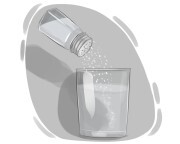
to become incorporated into a liquid and form a solution
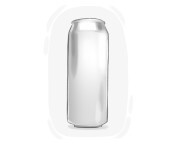
a light silver-gray metal used primarily for making cooking equipment and aircraft parts
hliník, hliník
Rám kola je vyroben z hliníku, což usnadňuje jeho přenášení a ovládání ve srovnání s tradičními ocelovými rámy.

a reddish-brown metallic chemical element that conducts heat and electricity well and is widely used in electrical wiring and alloys
měď, červená měď
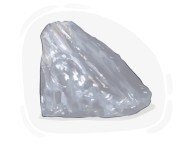
a heavy soft metal, used in making bullets, in plumbing and roofing, especially in the past
olovo, těžký kov
a type of powder that is explosive, used in making bullets, bombs, etc.
střelný prach, černý prach
Historicky byl střelný prach používán v raných experimentech s raketovým pohonem před vývojem moderních pevných a kapalných paliv.
an explosive that is very powerful
dynamit, velmi výbušná látka
Dynamit je pečlivě regulován a manipulován kvůli své výbušné povaze a potenciálním nebezpečím.
a device that produces a narrow, intense beam of coherent electromagnetic radiation, usually light
laser, laser
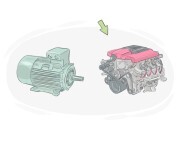
a machine that produces electricity by converting mechanical energy into electrical energy
generátor, alternátor
Přenosné generátory jsou užitečné během kempování nebo při mimořádných událostech pro poskytnutí dočasné elektrické energie.
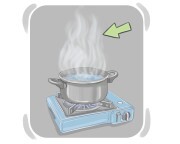
to become gas or vapor from liquid
vypařit se, odpařit se
Na konci dne se dešťová voda z chodníků vypaří.
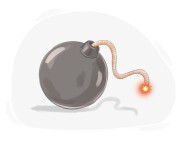
a substance or material capable of producing an explosion
výbušnina, trhavina
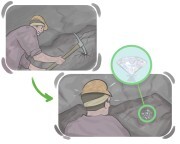
to take something out from something else, particularly when it is not easy to do
extrahovat, odstranit
an inner protective layer applied to the interior surface of an object to shield it from wear, moisture, or damage
výstelka, vnitřní povlak
Antická dřevěná truhla měla podšívku z cedru, aby odradila škůdce a zachovala její obsah.
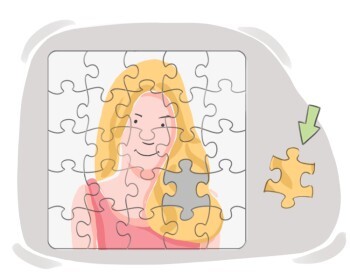
a part that combines with others to form a larger whole, often separable and functional within a system
součástka, prvek
a poisonous substance, especially one produced by living organisms, that can cause harm or illness when introduced into a living organism
toxin
Mořští biologové sledují měkkýše na přítomnost toxinů, čímž zajišťují bezpečnost mořských plodů pro konzumaci.
a small remaining amount or part of a thing after it has been taken, used, etc.
zbytek, zůstatek
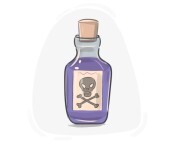
a chemical substance that is harmful or poisonous to living organisms
toxická látka, jedovatá látka
Vhodná opatření k zadržení zabránila pronikání toxické látky do podzemní vody.
the process or state of breaking apart or losing structural integrity
rozpad, rozklad
Vystavení kyselině vedlo k postupnému rozpadu kovového povrchu.
