pattern

Cambridge English: CAE (C1 Advanced) - Procesos Químicos y de Materiales

Aprenda vocabulario avanzado de CAE para procesos químicos y de materiales, incluyendo reacciones, sustancias, compuestos, transformación, producción y cambios en los materiales.

Revisión

Tarjetas de memoria

Ortografía

Cuestionario

Empezar a aprender
Cambridge English: CAE (C1 Advanced)
to accelerate

to increase the velocity of something

acelerar
acelerar

Ex: The electric field between charged particles can accelerate electrons. 

El campo eléctrico entre partículas cargadas puede acelerar electrones.

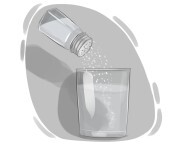
to dissolve

(of a solid) to become one with a liquid

disolverse

disolverse

Ex: The salt has completely dissolved into the soup. 

La sal se ha disuelto completamente en la sopa.

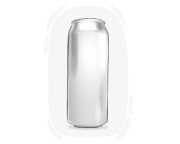
aluminum
aluminum
[Sustantivo]

a light silver-gray metal used primarily for making cooking equipment and aircraft parts

aluminio

aluminio

Ex: The soda cans are made from recycled aluminum, which helps reduce environmental waste. 

Las latas de refresco están hechas de aluminio reciclado, lo que ayuda a reducir los residuos ambientales.

copper
copper
[Sustantivo]

a metallic chemical element that has a red-brown color, primarily used as a conductor in wiring

cobre

cobre

Ex: Plumbing pipes made of copper are known for their durability and resistance to corrosion. 

Las tuberías de plomería hechas de cobre son conocidas por su durabilidad y resistencia a la corrosión.

lead
lead
[Sustantivo]

a heavy soft metal, used in making bullets, in plumbing and roofing, especially in the past

plomo

plomo

Ex: In ancient times, lead was often used to make coins and statues due to its ease of shaping and durability. 

En la antigüedad, el plomo se usaba a menudo para hacer monedas y estatuas debido a su facilidad de moldeo y durabilidad.

gunpowder
gunpowder
[Sustantivo]

a type of powder that is explosive, used in making bullets, bombs, etc.

pólvora

pólvora

Ex: In fireworks displays, gunpowder is used to create colorful explosions and effects in the sky. 

En los espectáculos de fuegos artificiales, la pólvora se utiliza para crear explosiones y efectos coloridos en el cielo.

dynamite
dynamite
[Sustantivo]

an explosive that is very powerful

dinamita

dinamita

Ex: Dynamite revolutionized construction and mining industries by allowing for controlled blasting of rock and earth. 

La dinamita revolucionó las industrias de la construcción y la minería al permitir voladuras controladas de roca y tierra.

laser
laser
[Sustantivo]

a device that produces a powerful and concentrated beam of light that can be used in medical procedures, for cutting metal objects, etc.

láser

láser

Ex: Laser pointers emit a focused beam of light that is useful in presentations and demonstrations. 

Los punteros láser emiten un haz de luz concentrado que es útil en presentaciones y demostraciones.

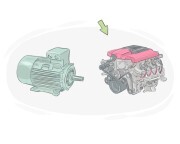
generator
generator
[Sustantivo]

a machine that produces electricity by converting mechanical energy into electrical energy

generador

generador

Ex: Diesel generators are commonly used as backup power sources in case of electrical grid failures. 

Los generadores diésel se utilizan comúnmente como fuentes de energía de respaldo en caso de fallas en la red eléctrica.
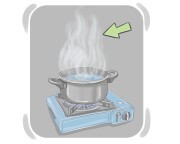
to evaporate

to become gas or vapor from liquid

evaporarse

evaporarse

Ex: The spilled coffee has evaporated, leaving a stain. 

El café derramado se ha evaporado, dejando una mancha.
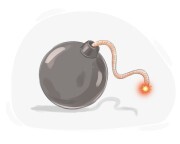
explosive
explosive
[Sustantivo]

a substance that can cause a sudden and violent release of energy

explosivo

explosivo

Ex: The miners used explosives to break apart the rock underground. 

Los mineros usaban explosivos para romper la roca bajo tierra.

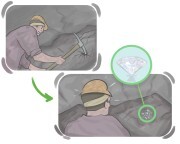
to extract
to extract
[Verbo]

to take something out from something else, particularly when it is not easy to do

extraer, sacar

extraer, sacar

Ex: The archaeologists carefully excavated the site to extract ancient artifacts. 

Los arqueólogos excavaron cuidadosamente el sitio para extraer artefactos antiguos.

lining
lining
[Sustantivo]

an inner protective layer applied to the interior surface of an object to shield it from wear, moisture, or damage

revestimiento, forro

revestimiento, forro

Ex: The jewelry box had a soft velvet lining to protect delicate pieces from scratches. 

La caja de joyas tenía un forro de terciopelo suave para proteger las piezas delicadas de los arañazos.

component
component
[Sustantivo]

a part that combines with others to form a larger whole, often separable and functional within a system

componente

componente

Ex: This component is responsible for the power supply. 

Este componente es responsable del suministro de energía.

toxin
toxin
[Sustantivo]

a poisonous substance, especially one produced by living organisms, that can cause harm or illness when introduced into a living organism

toxina

toxina

Ex: Certain plants produce toxins as a defense mechanism against herbivores. 

Ciertas plantas producen toxinas como mecanismo de defensa contra los herbívoros.

residue
residue
[Sustantivo]

a small remaining amount or part of a thing after it has been taken, used, etc.

residuo

residuo

Ex: Despite thorough washing, a residue of coffee stains remained on the bottom of the mug. 

A pesar de un lavado exhaustivo, un residuo de manchas de café permaneció en el fondo de la taza.

toxicant
toxicant
[Sustantivo]

a chemical substance that is harmful or poisonous to living organisms

tóxico, sustancia tóxica

tóxico, sustancia tóxica

Ex: The factory emitted a toxicant with known carcinogenic properties, prompting an environmental lawsuit. 

La fábrica emitió un tóxico con propiedades carcinógenas conocidas, lo que provocó una demanda ambiental.

disintegration
disintegration
[Sustantivo]

the process or state of breaking apart or losing structural integrity

desintegración, descomposición

desintegración, descomposición

Ex: The scientist examined the disintegration of organic material under heat. 

El científico examinó la desintegración del material orgánico bajo calor.

LanGeek
Descargar la aplicación LanGeek