
Cambridge English: CAE (C1 Advanced) - Химические и Материальные Процессы
Изучите продвинутую лексику CAE для химических и материаловедческих процессов, включая реакции, вещества, соединения, преобразование, производство и изменения в материалах.
Обзор
Флэш-карточки
Правописание
Тест


to increase the velocity of something

ускорять
В ускорителе частиц ученые используют электромагнитные поля для ускорения субатомных частиц до скоростей, близких к скорости света.
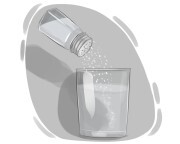
to become incorporated into a liquid and form a solution
растворять
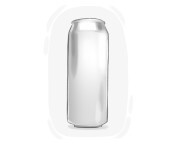
a light silver-gray metal used primarily for making cooking equipment and aircraft parts
алюминий
Новый набор кухонной посуды из алюминия легкий и обладает высокой устойчивостью к коррозии, что делает его идеальным для кухни.

a reddish-brown metallic chemical element that conducts heat and electricity well and is widely used in electrical wiring and alloys
медь
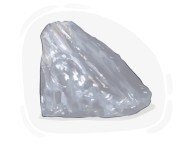
a heavy soft metal, used in making bullets, in plumbing and roofing, especially in the past
свинец
a type of powder that is explosive, used in making bullets, bombs, etc.
порох
Порох, также известный как черный порох, представляет собой смесь нитрата калия, древесного угля и серы.
an explosive that is very powerful
динамит
Динамит — это взрывчатое вещество, состоящее из нитроглицерина, поглощенного инертным веществом, обычно опилками или глиной.
a device that produces a narrow, intense beam of coherent electromagnetic radiation, usually light
лазер
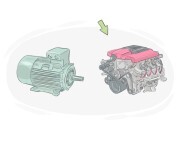
a machine that produces electricity by converting mechanical energy into electrical energy
генератор
Гидроэлектрический генератор использует силу текущей воды для производства электроэнергии для близлежащих сообществ.
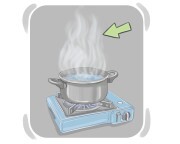
to become gas or vapor from liquid
испаряться
Вода может испаряться при воздействии тепла.
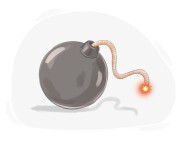
a substance or material capable of producing an explosion
взрывной
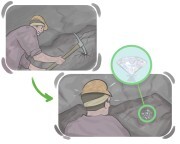
to take something out from something else, particularly when it is not easy to do
извлекать
an inner protective layer applied to the interior surface of an object to shield it from wear, moisture, or damage
подкладка, внутреннее покрытие
В моторном отсеке автомобиля было термостойкое покрытие для защиты чувствительных компонентов.

a part that combines with others to form a larger whole, often separable and functional within a system
компонент
a poisonous substance, especially one produced by living organisms, that can cause harm or illness when introduced into a living organism
токсин
Яд змеи содержал мощные токсины, которые могли быть смертельными для его добычи.
a small remaining amount or part of a thing after it has been taken, used, etc.
остаток
Химик обнаружил остаток химических веществ, оставшийся в пробирке после завершения эксперимента.

a chemical substance that is harmful or poisonous to living organisms
токсикант, токсичное вещество
Химический разлив выпустил мощный токсикант в реку, подвергая опасности водную жизнь и загрязняя питьевую воду.
the process or state of breaking apart or losing structural integrity
распад, разложение
Тело было найдено в продвинутом состоянии распада.
