
Cambridge English: CAE (C1 Advanced) - Procese Chimice și de Materiale
Învățați vocabularul CAE avansat pentru procese chimice și de materiale, inclusiv reacții, substanțe, compuși, transformare, producție și modificări ale materialelor.
Recapitulare
Fișe de studiu
Ortografie
Chestionar


(in physics) to cause a change in the velocity of an object, including its speed or direction of movement
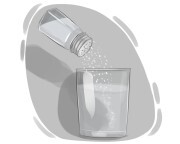
to become incorporated into a liquid and form a solution

se dizolva, a se dizolva
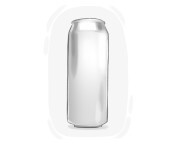
a light silver-gray metal used primarily for making cooking equipment and aircraft parts
aluminiu,aluminiu
Inginerii preferă aluminiul pentru construcția aeronavelor datorită raportului său excelent rezistență-greutate.

a reddish-brown metallic chemical element that conducts heat and electricity well and is widely used in electrical wiring and alloys
cupru, cupru roșu
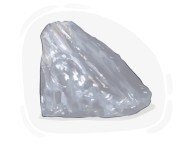
a heavy soft metal, used in making bullets, in plumbing and roofing, especially in the past
plumb,metal greu
a type of powder that is explosive, used in making bullets, bombs, etc.
praf de pușcă,pulbere neagră
Pudra de pușcă, cunoscută și sub numele de praf negru, este un amestec de azotat de potasiu, cărbune vegetal și sulf.
an explosive that is very powerful
dynamită,un exploziv foarte puternic
Dynamita este un material exploziv format din nitroglicerină absorbită într-o substanță inertă, de obicei rumeguș sau argilă.
a device that produces a narrow, intense beam of coherent electromagnetic radiation, usually light
laser, laser
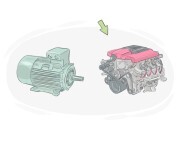
a machine that produces electricity by converting mechanical energy into electrical energy
generator,alternator
Turbinele eoliene folosesc generatoare pentru a converti energia cinetică a vântului în energie electrică.
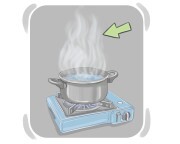
to become gas or vapor from liquid
se evapora,se vaporiza
Apa se poate evapora atunci când este expusă la căldură.
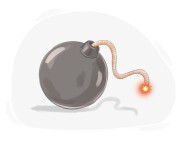
a substance or material capable of producing an explosion
exploziv, material exploziv
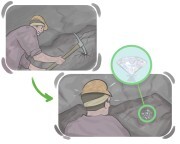
to take something out from something else, particularly when it is not easy to do
extrage,scoate
Dentistul a trebuit să extragă un dinte deteriorat pentru a ameliora durerea pacientului.
an inner protective layer applied to the interior surface of an object to shield it from wear, moisture, or damage
căptușeală,strat interior
Compartimentul motorului mașinii avea un căptușeală rezistentă la căldură pentru a proteja componentele sensibile.

a part that combines with others to form a larger whole, often separable and functional within a system
component,element
Fiecare componentă a mașinii trebuie asamblată cu grijă.
a poisonous substance, especially one produced by living organisms, that can cause harm or illness when introduced into a living organism
toxină
Veninul șarpelui conținea toxine puternice care puteau fi letale pentru prada sa.
a small remaining amount or part of a thing after it has been taken, used, etc.
reziduu,rest
Reziduurile arse de la focul de tabără li s-au lipit de haine după o noapte de prăjit marshmallows.

a chemical substance that is harmful or poisonous to living organisms
toxină,substanță toxică
Scurgerea chimică a eliberat un toxin puternic în râu, periclitat viața acvatică și a contaminat apa potabilă.
the process of breaking apart into smaller pieces or fragments
