
500 nejčastějších anglických příslovcí - Top 126 - 150 Příslovce
Zde je vám poskytnuta část 6 seznamu nejběžnějších příslovcí v angličtině, jako jsou "off", "alone" a "forever".
Revize
Kartičky
Pravopis
Kvíz
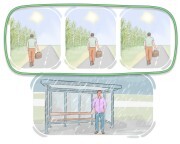
under regular or usual circumstances

normálně, obvykle
Obchod obvykle doplňuje své regály každé ráno.

used to refer to the outcome of a situation if the circumstances were different
jinak, v opačném případě

so as to be removed, taken away, or separated
sundat, odstranit
Magnet sklouzl dolů, když jsem narazil do ledničky.
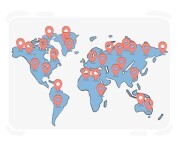
to or in all places
všude, všude
Umělcovy malby jsou vystaveny všude v galerii.

without anyone else
sám, osaměle
Cestoval jsem sám do Evropy minulé léto.

in a way that emphasizes sincerity of belief or opinion
upřímně, poctivě
Upřímně řečeno, vůbec jsem netušil, že akce byla zrušena.

in a way that shows ability, expertise, or careful technique
obratně, dovedně
Tesař obratně vyřezal složité vzory do dřeva.
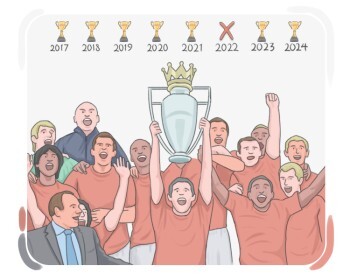
in a way that usually happens
typicky, obvykle
Tropické bouře obvykle vznikají na konci léta.

in a favorable or approving manner
vysoce, nesmírně
Nová politika byla velmi příznivě přijata environmentálními skupinami.

used to describe a period of time that has no end
navždy, věčně
Jejich pouto se zdálo věčné, mimo plynutí času.
used for emphasizing that something is surprising or confusing
možná, opravdu
Jak by někdo možná mohl říct něco takového?

via, onto, or while connected to the Internet or other computer network
online, online
Trávili hodiny povídáním online každý večer.
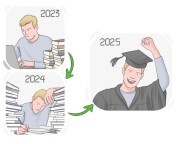
after doing or considering everything
nakonec, koneckonců
Tým prozkoumal několik strategií a nakonec implementoval tu s největším dopadem.
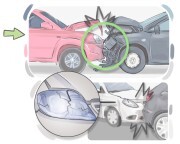
in a manner that suggests harm, damage, or threat is substantial
vážně, vážným způsobem
Klimatické změny by mohly vážně narušit globální zemědělství.

used to emphasize or confirm a statement
skutečně, opravdu
Opravdu, byl to pozoruhodný úspěch.

in an open area surrounding a building
venku, mimo budovu
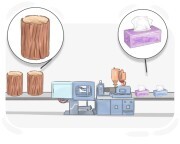
in a way or by some method that is not known or certain
nějak, nějakým způsobem
Navzdory překážkám se nějak dostali na vrchol hory.
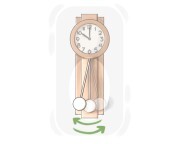
repeatedly going in one direction and then in the opposite direction
tam a zpět, sem a tam
Houpadlo se houpalo tam a zpět, zatímco si dítě užívalo hřiště.
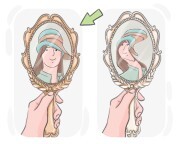
in the best possible way
dokonale, dokonalým způsobem
Klávesy byly na klávesnici dokonale zarovnány.
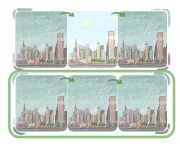
in a way that continues without any pause
neustále, nepřetržitě
Ulice byla neustále plná chodců a dopravy.

used to convey that something seems to be true based on the available evidence or information
zřejmě, patrně
used after negative statements to indicate a similarity between two situations or feelings
také ne
Nejsem připraven odejít a nemyslím si, že ty také.

used to show that the opinion someone is giving comes from their own viewpoint
osobně, z mého pohledu
Osobně si nemyslím, že je film tak vzrušující, jak všichni říkají.
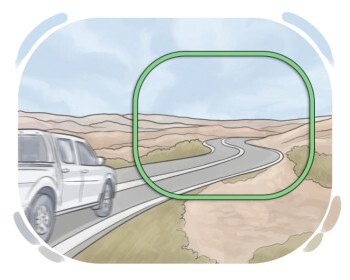
in position or direction that is further forward or in front of a person or thing
vpředu, dále
Stál vpředu a čekal, až ho ostatní doženou.

used to indicate a logical result or effect
následně, proto
Společnost silně investovala do výzkumu a vývoje a v důsledku toho uvedla na trh inovativní produkty, které získaly větší podíl na trhu.
