
pattern

Dovednosti s SAT Slovy 3 - Lekce 15

Revize

Kartičky

tvary

Pravopis

Kvíz

Začněte se učit
SAT Word Skills 3
to intersect
to intersect
[sloveso]

to meet or cross another path, line, etc. at a particular point

protínat se, křížit se

protínat se, křížit se

Ex: The paths of the two hikers intersected in the dense forest .

Cesty dvou turistů se protínaly v hustém lese.

to intersperse

to mix things together in order to make them diverse

prokládat, rozptýlit

prokládat, rozptýlit

Ex: The filmmaker interspersed flashback scenes with present-day action to provide context for the story .

Filmař proložil retrospektivní scény současnou akcí, aby poskytl příběhu kontext.

interstice
interstice
[Podstatné jméno]

a space between or inside things

mezera, štěrbina

mezera, štěrbina

to intervene
to intervene
[sloveso]

to intentionally become involved in a difficult situation in order to improve it or prevent it from getting worse

zasáhnout, vmísit se

zasáhnout, vmísit se

Ex: The peacekeeping force was deployed to intervene in the conflict .

Mírové síly byly nasazeny, aby zasáhly do konfliktu.

dialect
dialect
[Podstatné jméno]

the spoken form of a language specific to a certain region or people which is slightly different from the standard form in words and grammar

nářečí, dialekt

nářečí, dialekt

Ex: Linguists study dialects to better understand language variation and change , as well as the social and cultural factors that shape linguistic diversity .

Lingvisté studují nářečí, aby lépe porozuměli jazykové variaci a změně, jakož i sociálním a kulturním faktorům, které utvářejí jazykovou rozmanitost.

dialectical
dialectical
[Přídavné jméno]

referring to the method of argumentation or discourse that involves the exchange of opposing ideas or viewpoints in order to reach a deeper understanding or resolution

dialektický, týkající se dialektiky

dialektický, týkající se dialektiky

Ex: Dialectical thinking encourages individuals to consider multiple perspectives and challenge their own assumptions .

Dialektické myšlení povzbuzuje jednotlivce, aby zvažovali více perspektiv a zpochybňovali své vlastní předpoklady.

dialectician
dialectician
[Podstatné jméno]

a person who is skilled in reasoning and discussing in order to reach the truth

dialektik, logik

dialektik, logik

dialogue
dialogue
[Podstatné jméno]

a discussion between two groups or states, particularly one intended to resolve a problem

dialog, rozhovor

dialog, rozhovor

incoherent
incoherent
[Přídavné jméno]

(of speech or written discourse) unclear or poorly organized in a way that is not comprehensible

nesouvislý, nejasný

nesouvislý, nejasný

Ex: The drunken man 's words were slurred and incoherent.

Slova opilého muže byla nesouvislá a nezřetelná.
incombustible
incombustible
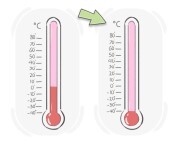
[Přídavné jméno]

having a fireproof quality

nehořlavý

nehořlavý

inconceivable
inconceivable
[Přídavné jméno]

too unlikely to believe or imagine

nepředstavitelný, nemyslitelný

nepředstavitelný, nemyslitelný

Ex: The idea that they could finish the entire project in a week was inconceivable without the right resources .

Myšlenka, že by mohli dokončit celý projekt za týden, byla bez správných zdrojů nepředstavitelná.

advocacy
advocacy
[Podstatné jméno]

supporting an action, idea, party, etc. often publicly

advokacie,  podpora

advokacie, podpora

to advocate
to advocate
[sloveso]

to publicly support or recommend something

obhajovat, podporovat

obhajovat, podporovat

Ex: Parents often advocate for improvements in the education system for the benefit of their children .

Rodiče často obhajují zlepšení ve vzdělávacím systému pro dobro svých dětí.

chronic
chronic
[Přídavné jméno]

(of an illness) difficult to cure and long-lasting

chronický, dlouhodobý

chronický, dlouhodobý

Ex: Sarah 's chronic migraine headaches often last for days , despite trying different medications .

Sarahiny chronické migrény často trvají několik dní, navzdory vyzkoušení různých léků.
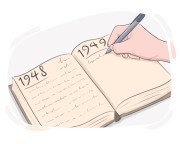
to chronicle
to chronicle
[sloveso]

to record a series of historical events in a detailed way by a chronological order

kronikovat, zaznamenávat

kronikovat, zaznamenávat

Ex: The journalist chronicles the political upheavals of the past century in her investigative report .

Novinář kroniky politických otřesů minulého století ve své investigativní zprávě.

chronicler
chronicler
[Podstatné jméno]

a person who records influential or historical events by writing them down in the exact order that they happened

kronikář, historik

kronikář, historik

chronology
chronology
[Podstatné jméno]

an arrangement of dates or events based on the order they took place

chronologie

chronologie

chronometer
chronometer
[Podstatné jméno]

a timepiece that shows the time in a very exact way, especially one used at sea

chronometr, přesné hodinky

chronometr, přesné hodinky

Ex: They calibrated the chronometer to ensure it met the strict standards for accuracy in their research .

Zkalibrovali chronometr, aby zajistili, že splňuje přísné standardy přesnosti ve svém výzkumu.

LanGeek
Stáhnout aplikaci LanGeek