
Cambridge English: CAE (C1 Advanced) - Interpretación y Expresión Comunicativa
Aprende vocabulario avanzado de CAE para la comunicación, interpretación y expresión, incluyendo significado, explicación, implicación, tono, fraseo y transmisión eficaz de ideas.
Revisión
Tarjetas de memoria
Ortografía
Cuestionario

in a way that is different from what has been mentioned

al contrario
Aunque esperaba una mayor vitalidad a través del ejercicio, por el contrario, se sentía más fatigada después de cada entrenamiento.
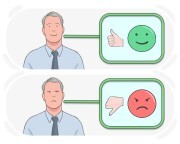
to suggest without explicitly stating
insinuar
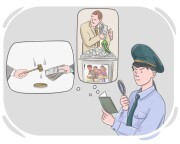
to reach an opinion or decision based on available evidence and one's understanding of the matter
inferir
Los científicos pueden inferir la existencia de ciertas partículas basándose en resultados experimentales.
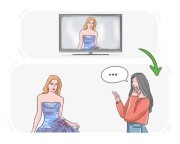
unable to speak for a short time, particularly as a result of surprise, shock, or anger
mudo, sin habla
La noticia de su ascenso la dejó sin palabras de incredulidad.

to get an understanding of what someone's true intention is or how they feel based on what they say or write
leer entre líneas, captar lo que no se dice
Tienes que leer entre líneas; él nunca dice directamente que necesita ayuda.
to be impressed emotionally
conmover, tocar
a mental awareness or understanding of how past events, cultures, or ways of life influence the present

the experience of feeling both positive and negative emotions about the same situation, person, or thing
sentimientos encontrados
Su decisión de abandonar la empresa fue recibida con sentimientos encontrados por parte del equipo.
a belief that is strong, yet without any explainable reason
corazonada, intuición
No puedo demostrarlo, pero mi intuición me dice que oculta algo.

to finally talk about what has long been bothering or concerning one
quitarse un peso de encima, desahogarse
Llamó a su hermana solo para desahogarse de sus preocupaciones.
to make up for a weakness, disadvantage, or lack by providing something that balances its effects
compensar, suplir
a full understanding of a situation, problem, or idea and what it involves
comprensión, entendimiento
to become completely and suddenly very much in love with someone

to make someone really mad by constantly doing something that angers or annoys them
poner a alguien de los nervios, sacar a alguien de quicio
La música alta de los vecinos me pone de los nervios todos los fines de semana.
used when hoping for a positive outcome
¡Cruzo los dedos!, ¡Dedos cruzados!
Crucemos los dedos para que apruebe sus exámenes.

to assure someone that they no longer need to worry about a particular person or thing
tranquilizar a alguien, dar tranquilidad
El gerente intentó tranquilizar a todos respecto a los despidos.
bringing strong memories, emotions, or images to mind
evocador, sugerente
La pintura evocadora capturó la esencia de una época pasada.
to seem true or reasonable to one
sonar cierto, parecer creíble
Su historia sonó cierta porque coincidía con lo que ya habíamos visto.

to add energy or excitement to a situation
animar, dar vida
La fiesta estaba un poco lenta, así que el anfitrión decidió animar las cosas poniendo música alegre.
a statement that is untrue, exaggerated, or meaningless
palabrería vacía, puro humo
No te dejes engañar por la publicidad; la mayor parte es puro humo.
