
Cambridge English: CAE (C1 Advanced) - Komunikacyjna Interpretacja i Ekspresja
Poznaj zaawansowane słownictwo CAE do komunikacji, interpretacji i wyrażania, w tym znaczenie, wyjaśnienie, implikację, ton, sformułowanie i skuteczne przekazywanie idei.
Przegląd
Fiszki
Pisownia
Test

in a way that is different from what has been mentioned

odwrotnie, przeciwnie
Podczas gdy niektórzy uczniowie rozwijają się w środowiskach uczenia się praktycznego, odwrotnie, inni wyróżniają się w bardziej teoretycznych i wykładowych ustawieniach.
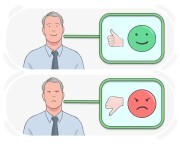
to suggest without explicitly stating
sugerować, implikować
Ton głosu nauczyciela sugerował rozczarowanie wynikami klasy.
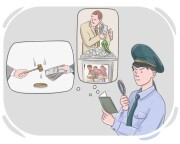
to reach an opinion or decision based on available evidence and one's understanding of the matter
wnioskować, wywnioskować
Zespół wywnioskował wydarzenia historyczne z artefaktów odkrytych podczas wykopalisk.
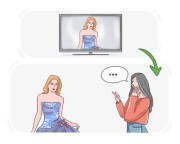
unable to speak for a short time, particularly as a result of surprise, shock, or anger
bez słowa, niemy
Po obejrzeniu niesamowitego występu publiczność pozostała bez słowa.
![to [read] between the lines](https://cdn.langeek.co/photo/43202/thumb/350?type=jpeg "to [read] between the lines")
to get an understanding of what someone's true intention is or how they feel based on what they say or write
czytać między wierszami, wyczuć ukryty sens
Czytając między wierszami jej przemówienia, było widać, że krytykuje zarząd.
to be impressed emotionally
wzruszać, dotykać
Widząc, jak dzieci bawią się razem tak szczęśliwie, poruszyło go to uczuciem radości.
a mental awareness or understanding of how past events, cultures, or ways of life influence the present
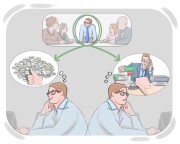
the experience of feeling both positive and negative emotions about the same situation, person, or thing
mieszane uczucia
Czuł mieszane uczucia po otrzymaniu oferty pracy—podniecony, ale też nerwowy.
a belief that is strong, yet without any explainable reason
przeczucie, intuicyjna reakcja
Moja intuicyjna reakcja na propozycję była odmowna, choć na papierze wyglądała dobrze.
![to [get] {sth} off {one's} chest](https://cdn.langeek.co/photo/44592/thumb/350?type=jpeg "to [get] {sth} off {one's} chest")
to finally talk about what has long been bothering or concerning one
wyrzucić coś z siebie, powiedzieć, co leży na sercu
Poczujesz się lepiej, kiedy wyrzucisz to z siebie.
to make up for losses or deficiencies by providing something of equal value or benefit
kompensować, wynagradzać
Zrekompensowała spadek sprzedaży, uruchamiając nową kampanię marketingową.
a clear understanding of a problem, situation, or concept
zrozumienie, postrzeganie
Rozwijanie doceniania historii wymaga czasu.
to become completely and suddenly very much in love with someone
![to [get] on {one's} nerves](https://cdn.langeek.co/photo/53138/thumb/350?type=jpeg "to [get] on {one's} nerves")
to make someone really mad by constantly doing something that angers or annoys them
działać komuś na nerwy, doprowadzać kogoś do szału
Lubię go, ale jego nawyk przerywania ludziom działa mi na nerwy.
used when hoping for a positive outcome
Kciuki trzymam!, Palce skrzyżowane!
Złożył swój wniosek, trzymając kciuki, aby został zatwierdzony.
![to [put|set] {one's} [mind] at (rest|ease)](https://cdn.langeek.co/photo/44514/thumb/350?type=jpeg "to [put|set] {one's} [mind] at (rest|ease)")
to assure someone that they no longer need to worry about a particular person or thing
uspokoić kogoś, dodać otuchy
Widok dzieci bezpiecznych w domu wreszcie ją uspokoił.
bringing strong memories, emotions, or images to mind
przywołujący wspomnienia, sugestywny
Przywodzący na myśl zapach świeżo upieczonego chleba przypomniał mu dzieciństwo.
to seem true or reasonable to one
brzmieć prawdziwie, wydawać się wiarygodne
Ta odpowiedź nie brzmi prawdziwie; czegoś brakuje.

to add energy or excitement to a situation
ożywiać, rozweselać
Impreza była trochę powolna, więc gospodarz postanowił ożywić atmosferę, puszczając energiczną muzykę.
a statement that is untrue, exaggerated, or meaningless
puste gadanie, czcze gadanie
Plan wyglądał ambitnie na papierze, ale bez finansowania był tylko pustym gadaniem.
