
Cambridge English: CAE (C1 Advanced) - Komunikativní Interpretace a Výraz
Naučte se pokročilou slovní zásobu CAE pro komunikaci, interpretaci a vyjadřování, včetně významu, vysvětlení, implikace, tónu, formulace a efektivního předávání myšlenek.
Revize
Kartičky
Pravopis
Kvíz

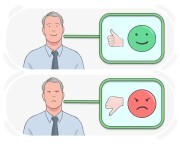
in a way that is different from what has been mentioned

naopak, obráceně
Nová politika prospívá větším společnostem; naopak menší firmy mohou zápasit.
to suggest without explicitly stating
naznačovat, implikovat
Obrazovost reklamy naznačovala, že používání jejich produktu povede k úspěchu.
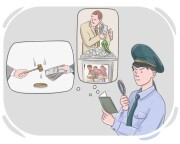
to reach an opinion or decision based on available evidence and one's understanding of the matter
usoudit, vyvodit
Ona vyvozuje odpověď na otázku zkoumáním dostupných informací.
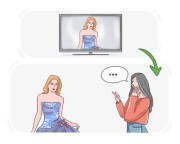
unable to speak for a short time, particularly as a result of surprise, shock, or anger
beze slov, němý
Krása západu slunce ho na chvíli zbavila řeči.
![to [read] between the lines](https://cdn.langeek.co/photo/43202/thumb/350?type=jpeg "to [read] between the lines")
to get an understanding of what someone's true intention is or how they feel based on what they say or write
číst mezi řádky, pochopit skrytý význam
Pogratuloval mi, ale mezi řádky jsem poznal, že žárlí.
to be impressed emotionally
dojmout, dotknout
Příběh vytrvalosti a triumfu oslovil mnohé.
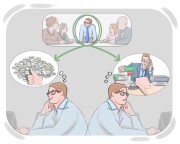
a mental awareness or understanding of how past events, cultures, or ways of life influence the present
the experience of feeling both positive and negative emotions about the same situation, person, or thing
smíšené pocity
Po obdržení pracovní nabídky cítil smíšené pocity—nadšený, ale také nervózní.
a belief that is strong, yet without any explainable reason
vnitřní pocit, silné tušení
Věř svému vnitřnímu pocitu, pokud ti situace nepřipadá bezpečná.
![to [get] {sth} off {one's} chest](https://cdn.langeek.co/photo/44592/thumb/350?type=jpeg "to [get] {sth} off {one's} chest")
to finally talk about what has long been bothering or concerning one
dostat to ze sebe, svěřit se s tím, co ho tíží
Omlouvám se za dlouhou zprávu; prostě jsem to musel dostat ze sebe.
to make up for losses or deficiencies by providing something of equal value or benefit
kompenzovat, odškodnit
Společnost kompenzovala zpoždění dodávky tím, že zákazníkům nabídla slevu.
a clear understanding of a problem, situation, or concept
pochopení, vnímání
Zpráva odráží pečlivé pochopení tržních trendů.
to become completely and suddenly very much in love with someone
![to [get] on {one's} nerves](https://cdn.langeek.co/photo/53138/thumb/350?type=jpeg "to [get] on {one's} nerves")
to make someone really mad by constantly doing something that angers or annoys them
lézt někomu na nervy, vytáčet někoho
Její nekonečné otázky začaly všem lézt na nervy.
used when hoping for a positive outcome
Držím palce!, Prsty zkřížené!
Držme si palce, aby let nebyl zpožděn.
![to [put|set] {one's} [mind] at (rest|ease)](https://cdn.langeek.co/photo/44514/thumb/350?type=jpeg "to [put|set] {one's} [mind] at (rest|ease)")
to assure someone that they no longer need to worry about a particular person or thing
uklidnit někoho, ujistit někoho
Znovu jsem zkontroloval dokumenty jen proto, abych tě uklidnil.
bringing strong memories, emotions, or images to mind
evokativní, naznačující
Evokativní vůně čerstvě upečeného chleba mu připomněla jeho dětství.
to seem true or reasonable to one
znít pravdivě, působit věrohodně
Podrobnosti v dopise zněly pravdivě, i když tomu příběhu bylo těžké uvěřit.

to add energy or excitement to a situation
oživit, povzbudit
DJ hrál veselou hudbu, aby oživil párty, proměňujíc atmosféru z klidné na živou.
a statement that is untrue, exaggerated, or meaningless
prázdné řeči, plané řeči
Po měsících prázdných řečí výbor konečně přiznal, že se neudělalo nic.
