
Cambridge English: CPE (C2 Proficiency) - Afecciones y Lesiones
Aprende vocabulario avanzado de CPE sobre dolencias y lesiones, incluidas enfermedades, síntomas, heridas, trastornos físicos, dolor y diferentes formas de daño corporal.
Revisión
Tarjetas de memoria
Ortografía
Cuestionario

(of a disease) able to make one sick

virulento
El hospital estaba en alerta máxima debido a la naturaleza virulenta de la enfermedad.
not moving or active
inerte
El estado inerte del volcán llevó a los científicos a creer que estaba inactivo y era poco probable que entrara en erupción.
to make someone unable to see for a short time due to a strong or brilliant light
deslumbrar, encandilar
La intensa luz del sol deslumbró su visión, obligándolo a proteger sus ojos.
the loss of the ability to feel pain while remaining fully awake and conscious
analgesia, insensibilidad al dolor
El fármaco proporcionó una analgesia eficaz sin adormecer al paciente.
a condition in which the number of healthy red blood cells in one's body is low
anemia
La anemia crónica puede provocar fatiga y debilidad.
a neurological disorder affecting language comprehension or production
afasia, afasia
Los médicos explicaron que su afasia afectaba tanto al habla como a la comprensión.
sudden unconsciousness caused by a blocked or burst blood vessel in the brain, cutting off its oxygen supply
apoplejía, ataque cerebral
El personal médico se apresuró a tratar un caso de apoplejía en la sala de emergencias.
pertaining to an irregular heartbeat
arrítmico, irregular
Se detectaron pulsos arrítmicos durante el examen físico.
the gradual wasting away or shrinkage of a body tissue or organ, typically due to lack of use, injury, or a medical condition
atrofia, degeneración
En ciertas condiciones médicas, como la desnutrición, puede ocurrir atrofia de los órganos.
to serve as a clear signal, symptom, or indication of something
indicar, señalar
El marchitamiento de las plantas puede indicar una falta de agua y la necesidad de atención inmediata.
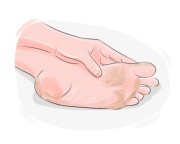
an area of skin that has turned hard and rough by being constantly exposed to friction
callo
Ella desarrolló un callo en el pie después de usar zapatos apretados durante demasiado tiempo.
a painful sore or ulcer inside the mouth or on the lips
afta, úlcera bucal
El estrés a veces puede desencadenar una llaga en la boca.
having the potential to cause or promote the development of cancer
carcinógeno, cancerígeno
La exposición prolongada a la radiación ultravioleta (UV) del sol se considera carcinogénica y puede aumentar el riesgo de cáncer de piel.
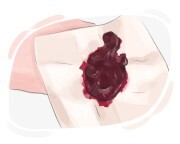
a thick, solid mass that forms within a liquid when parts of it stick together
coágulo, trombo
La enfermera comprobó si había coágulos en la muestra de sangre.
a bruise caused by blunt force trauma without piercing the skin
contusión
Las contusiones en la pierna eran visibles después del accidente.
the condition of not having mental or physical strength or energy
lasitud
La tensión emocional de los eventos recientes resultó en una lasitud profunda que afectó sus actividades diarias.
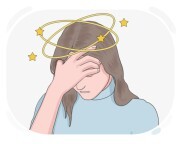
feeling dizzy, unsteady, or as if the surroundings are spinning, often making it hard to stay balanced
mareado, aturdido
Se sintió mareado por el calor y casi se desmayó.
causing or experiencing difficulty in passing stools; tending to cause constipation
estreñidor, que causa estreñimiento
Una condición estreñidora puede provocar malestar e hinchazón.
a numbed state caused by sudden shock, grief, or misfortune
sopor
Caminaba en un estupor, incapaz de comprender el accidente.
physically or mentally trembling due to old age
decrépito
La abuela tambaleante sonrió cálidamente mientras saludaba a sus nietos, sus manos temblaban ligeramente.
unable to act, work, or function normally because of a loss of strength, ability, or power
incapacitado, imposibilitado
El calor era tan intenso que dejó incapacitados a varios trabajadores.
displaying patterns of thought, behavior, or emotion typical of neurosis
neurótico, neurótica
Los patrones neuróticos pueden interferir con el funcionamiento diario.
