
Cambridge English: CPE (C2 Proficiency) - Malattie e Lesioni
Impara il vocabolario avanzato CPE per malanni e infortuni, incluse malattie, sintomi, ferite, disturbi fisici, dolore e diverse forme di danno corporeo.
Revisione
Flashcard
Ortografia
Quiz

(of a disease) able to make one sick

virulento
I batteri virulenti si sono diffusi rapidamente tra la popolazione, causando una malattia diffusa.
not moving or active
inerte, immobile
La roccia inerte giaceva indisturbata sul fondo del fiume.
to make someone unable to see for a short time due to a strong or brilliant light
abbagliare, accecare
I suoi occhi furono abbagliati dal riflesso scintillante dell'acqua.
the loss of the ability to feel pain while remaining fully awake and conscious
analgesia, insensibilità al dolore
Il medico ha monitorato l'analgesia del paziente durante l'intera chirurgia.
a condition in which the number of healthy red blood cells in one's body is low
anemia
L'anemia è comune negli individui con carenze nutrizionali.
a neurological disorder affecting language comprehension or production
afasia, afasia
L'afasia può derivare da una lesione dell'emisfero sinistro del cervello.
sudden unconsciousness caused by a blocked or burst blood vessel in the brain, cutting off its oxygen supply
apoplessia, colpo apoplettico
L'apoplessia del paziente è stata ricondotta a un'arteria rotta nel cervello.
pertaining to an irregular heartbeat
aritmico, irregolare
L'ECG ha mostrato schemi aritmici nel ciclo cardiaco.
the gradual wasting away or shrinkage of a body tissue or organ, typically due to lack of use, injury, or a medical condition
atrofia, degenerazione
Il trattamento delle lesioni articolari si concentra sulla prevenzione dell'atrofia dei tessuti circostanti.
to serve as a clear signal, symptom, or indication of something
indicare, segnalare
Una tosse persistente può indicare un'infezione o una malattia respiratoria sottostante.
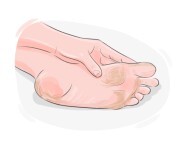
an area of skin that has turned hard and rough by being constantly exposed to friction
callo
Ha trattato i suoi calli con una crema speciale per mantenere le mani lisce.
a painful sore or ulcer inside the mouth or on the lips
afta, ulcera orale
Le afte spesso guariscono da sole entro una o due settimane.
having the potential to cause or promote the development of cancer
cancerogeno, carcinogeno
Identificare e regolamentare le sostanze cancerogene è essenziale per la salute e la sicurezza pubblica.
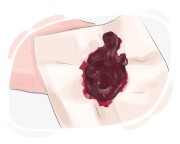
a thick, solid mass that forms within a liquid when parts of it stick together
coagulo, trombo
Il sangue ha iniziato a formare un coagulo sulla ferita.
a bruise caused by blunt force trauma without piercing the skin
livido
Il medico ha esaminato la contusione attentamente.
the condition of not having mental or physical strength or energy
lassitude
Dopo l'intenso allenamento, fu sopraffatto dalla stanchezza e ebbe bisogno di un lungo riposo per recuperare.
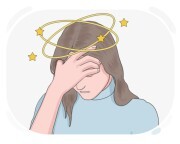
feeling dizzy, unsteady, or as if the surroundings are spinning, often making it hard to stay balanced
stordito, vertiginoso
Si sentiva ancora stordita ore dopo l'intervento.
causing or experiencing difficulty in passing stools; tending to cause constipation
costipante, che causa stitichezza
Alcuni antidolorifici sono noti per essere costipanti.
a numbed state caused by sudden shock, grief, or misfortune
stupore, stordimento
È rimasta in uno stupore dopo aver perso il lavoro.
physically or mentally trembling due to old age
decrepito
Il giudice tremolante, ora in pensione, era un tempo noto per la sua mente acuta e le sue decisioni decisive.
unable to act, work, or function normally because of a loss of strength, ability, or power
incapacitato, inabile
Lo sciopero ha incapacitato il sistema di trasporto della città.
