
Cambridge English: CPE (C2 Proficiency) - Boli și Leziuni
Învață vocabular CPE avansat pentru afecțiuni și răni, inclusiv boli, simptome, răni, tulburări fizice, durere și diferite forme de vătămare corporală.
Revizuire
Fișe de studiu
Ortografie
Chestionar

(of a disease) able to make one sick

virulent
Izvorul a fost cauzat de o tulpină virulentă a virusului gripei.
not moving or active
inerte, imobil
Gazele inerte din atmosferă nu reacționează ușor cu alte elemente.
to make someone unable to see for a short time due to a strong or brilliant light
orbire, ameti
Blitzul camerei orbită ochii ei, lăsând-o să clipească rapid.
the loss of the ability to feel pain while remaining fully awake and conscious
analgezie, insensibilitate la durere
Stomatologul a folosit un anestezic local pentru a produce analgezie în timpul procedurii.
a condition in which the number of healthy red blood cells in one's body is low
anemie, anemie
Pacientul a fost diagnosticat cu anemie după analizele de sânge.
a neurological disorder affecting language comprehension or production
afazie, afazie
După accidentul vascular cerebral, a dezvoltat afazie și s-a luptat să formeze propoziții.
sudden unconsciousness caused by a blocked or burst blood vessel in the brain, cutting off its oxygen supply
apoplexie, accident vascular cerebral
Bărbatul în vârstă s-a prăbușit din cauza unei apoplexii în timpul cinei.
pertaining to an irregular heartbeat
aritmic, neregulat
Pacientul a prezentat bătăi cardiace arimice pe monitor.
the gradual wasting away or shrinkage of a body tissue or organ, typically due to lack of use, injury, or a medical condition
atrofie, degenerare
Imobilizarea prelungită poate duce la atrofie musculară, provocând slăbiciune și pierdere de funcție.
to serve as a clear signal, symptom, or indication of something
indica, semnifica
Temperatura ridicată a pacientului poate semnifica prezența febrei.
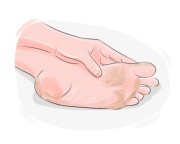
an area of skin that has turned hard and rough by being constantly exposed to friction
bătătură, piele îngroșată
Palmele halterofilului erau acoperite cu bătături groase de la ridicarea greutăților mari.
a painful sore or ulcer inside the mouth or on the lips
aftă, ulcer bucal
Ea a evitat mâncarea picantă din cauza unei afte pe limbă.
having the potential to cause or promote the development of cancer
carcinogen, cancerigen
Expunerea la azbest este cunoscută pentru a avea efecte carcinogene, în special asupra plămânilor.
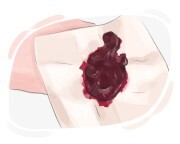
a thick, solid mass that forms within a liquid when parts of it stick together
cheag, tromb
Medicul a găsit un cheag care bloca artera pacientului.
a bruise caused by blunt force trauma without piercing the skin
contuzie, vânătaie
Avea o contuzie pe braț de la cădere.
the condition of not having mental or physical strength or energy
lassitudine
Monotonia rutinei sale a dus la un început gradual al oboselii, subminându-i motivația.
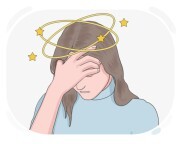
feeling dizzy, unsteady, or as if the surroundings are spinning, often making it hard to stay balanced
ameteală, amețit
M-am simțit amețit după ce m-am ridicat prea repede.
causing or experiencing difficulty in passing stools; tending to cause constipation
care provoacă constipație, constipant
Medicamentul a avut un efect constipant asupra pacientului.
a numbed state caused by sudden shock, grief, or misfortune
stupoare, amorteală
Era într-un stupoare după ce a auzit vestea despre incendiu.
physically or mentally trembling due to old age
tremurând, șovăind
Bătrânul tremurător a traversat încet camera, sprijinindu-se greu de bastonul său.
unable to act, work, or function normally because of a loss of strength, ability, or power
incapacitat, neindemânatic
Ea a fost incapacitată de o boală gravă.
