
Cambridge IELTS 15 - Academic - Prueba 4 - Lectura - Pasaje 1
Aprende vocabulario del Cambridge IELTS 15 Academic, Test 4 Reading Passage 1, y repasa palabras y expresiones útiles de este texto de lectura.
Revisión
Tarjetas de memoria
formas
Ortografía
Cuestionario
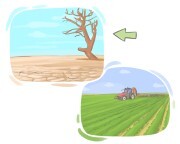
(of land or a climate) very dry because of not having enough or any rain

árido
Las plantas y los animales en entornos áridos se han adaptado para sobrevivir con un mínimo de agua, utilizando características especializadas como raíces profundas o comportamiento nocturno.

to respond positively or with joy to an event, development, or change
acoger, saludar
a long, narrow piece of land
franja, tira
to force or fit someone or something into a small or crowded space
meter, apretujar
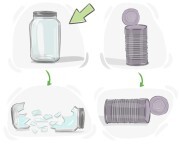
easily damaged or broken
frágil
El jarrón de vidrio frágil se rompió cuando cayó al suelo.
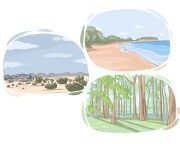
a community of living organisms together with their physical environment, interacting as a system
ecosistema
Las actividades humanas como la deforestación pueden alterar los frágiles ecosistemas y provocar la pérdida de biodiversidad.

in a manner that almost does not occur or happen
casi nunca, raramente
Casi nunca llega tarde a las reuniones.
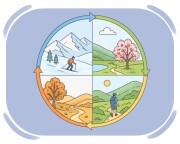
happening the whole year
todo el año

fitting for a specific purpose, situation, or person
adecuado, apropiado
Las correas ajustables hacen que la mochila sea adecuada para varios tipos de cuerpo.
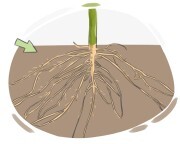
the underground part of a plant that absorbs water and minerals, sending it to other parts
raíz
to draw liquid or moisture into something by creating a vacuum or suction
aspirar, absorber
La esponja absorbió rápidamente el agua derramada en el suelo.
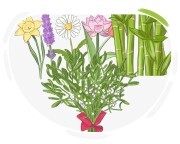
a scientist who studies ancient plant remains from archaeological sites to learn about past human-plant interactions and environments
arqueobotánico, paleobotánico
Los hallazgos del arqueobotánico revelaron que los primeros agricultores cultivaban una variedad de cereales y legumbres.
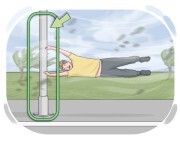
to resist or endure the force, pressure, or challenges imposed upon oneself
resistir, aguantar
Las plantas en climas áridos tienen adaptaciones para resistir las condiciones de sequía.
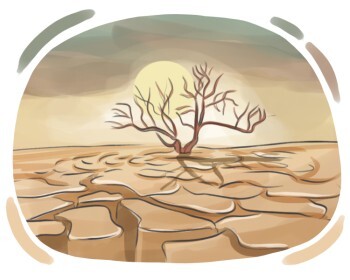
a long period of time when there is not much raining
sequía
Los agricultores rezaron por lluvia mientras continuaba la sequía.
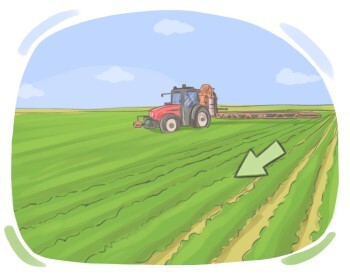
a plant that is grown for food over large areas of land
cultivo
to lose strength or quality over time, becoming less effective or reliable
fallar, debilitarse

to put someone or something new instead of someone or something else
sustituir, reemplazar
to cause something to fall by delivering a forceful blow, typically with the intent of bringing it to the ground
derribar, taladrar
El caballero medieval logró derribar a su adversario con un golpe decisivo de su espada.
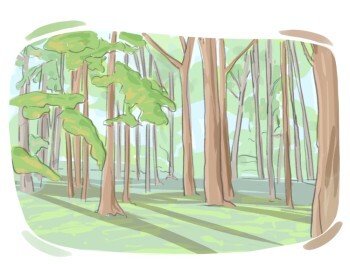
land covered with many trees, especially an area smaller or less dense than a typical forest
bosque

the gradual wearing away and removal of soil, rock, or other surface material by natural forces such as water, wind, or ice
erosión
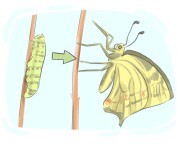
to change and become something else
convertirse en
La plántula eventualmente se convertirá en un alto roble.
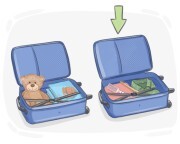
absolutely necessary and of great importance
esencial, vital, crucial
(of a place) close to another
vecino
Los pueblos vecinos colaboran en proyectos comunitarios para mejorar la infraestructura y los servicios.
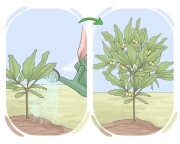
to cause a plant to develop and give fruit or flowers
cultivar
a long and narrow casing filled with seeds that grows on some specific plants, such as beans and peas
vaina
Abrió la vaina de vainilla con cuidado para extraer las pequeñas semillas utilizadas en la repostería.
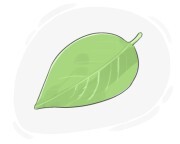
a usually green part of a plant in which the photosynthesis takes place
hoja
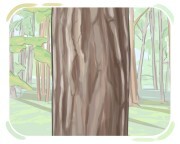
the tough outer covering of the stems, branches, and roots of trees and other woody plants
corteza
relating to or made from herbs, which are plants valued for their medicinal, aromatic, or culinary properties
a base de hierbas, herbal
Los suplementos herbales, derivados de plantas como el ginseng y la equinácea, son populares para promover el bienestar.
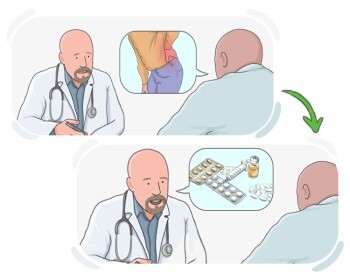
a medicine or treatment used to cure an illness or relieve pain or other symptoms
remedio
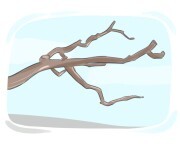
a part of a tree divided into some other parts on which the leaves grow
rama

a hard black substance consisting of an amorphous form of carbon which is made by slowly burning wood and is used as fuel or for drawing
carbón vegetal
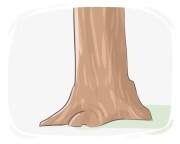
the main wooden body of a tree
tronco
to no longer be able be found or located, often leading to frustration
desaparecer, esfumarse
a piece of land under 50 acres that is sold or let to someone for cultivation
pequeña explotación agrícola, pequeña finca agrícola
no longer present or available
ido, desaparecido
La era pasada de las cámaras de fotos tradicionales es echada de menos por algunos fotógrafos.
a student of or specialist in the scientific study of plants, their structure, genetics, classification, etc.
botánico, especialista en botánica
El botánico presentó su investigación sobre la clasificación de nuevas especies de plantas descubiertas en la remota cadena montañosa.
a scientist who studies the relationship between people and plants, focusing on how different cultures use plants for medicine, food, rituals, and other purposes
etnobotánico, especialista en etnobotánica
Muchos descubrimientos farmacéuticos comienzan con el trabajo de un etnobotánico identificando plantas medicinales en culturas indígenas.
characterized by being at the forefront of new developments or leading the way in innovation and exploration
innovador, pionero
to bring something back into existence or operation, especially after a period of inactivity or decline
restablecer, restaurar
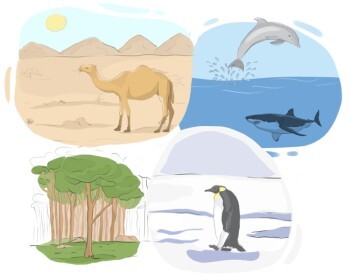
the natural environment in which a particular animal, plant, or other organism normally lives or grows
hábitat
in agreement with or supportive of a plan, decision, or idea
a bordo, de acuerdo
Esperan que el nuevo gerente se suba al barco pronto.
an unfair and unreasonable opinion or attitude formed without sufficient knowledge or consideration
prejuicio
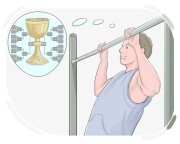
relating to goals or ideals that inspire ambition or desire for achievement
con aspiraciones
La campaña de marketing aspiracional de la marca de lujo retrató una imagen de glamour y éxito.
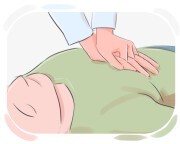
the act of recovering someone to a state of consciousness or life
reanimación
La rápida respuesta del médico y los esfuerzos de reanimación salvaron la vida del paciente después de que una grave reacción alérgica causara insuficiencia respiratoria.
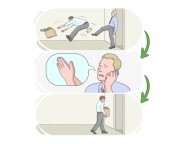
to restore someone or something to a previous state or position, especially after a temporary suspension or removal
reincorporar
Tras una apelación exitosa, el atleta fue reintegrado al equipo con todos los privilegios.
a sense of self-respect, dignity, or personal worth
orgullo, dignidad
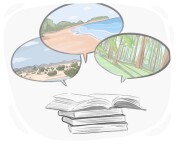
related to the connection between animals, plants, and humans and their environment
ecológico
Los proyectos de restauración ecológica buscan rehabilitar ecosistemas que han sido degradados o dañados.
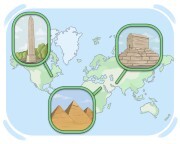
the traditions, customs, achievements, and cultural features passed down through generations within a society or community

a child who attends classes at a school
escolar, alumno
El profesor les pidió a los escolares que levantaran la mano.

the process of repairing an old building, artwork, or object to return it as closely as possible to its original condition
restauración
able to continue for a long period of time
sostenible
El jardín comunitario proporcionó acceso sostenible a productos frescos para los residentes locales.
any substance that can be used for consumption as food
alimento, producto alimenticio
to apply heat until food or a liquid starts to boil or cook
hervir, poner a hervir
¿Puedes hervir la pasta para la cena?
a seed or fruit of another plant that resembles a bean
grano, semilla

having a heavy consistency that resists flowing easily
espeso

a thick sweet liquid made with sugar that is often used as a sauce
jarabe, sirope
El restaurante sirvió panqueques esponjosos con un lado de jarabe, complaciendo a sus clientes hambrientos.
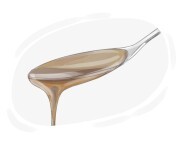
a thick, dark syrup with a strong and distinctive flavor, produced during the process of refining sugar
melaza, jarabe de melaza
Revolvió una cucharada de melaza en su café de la mañana.
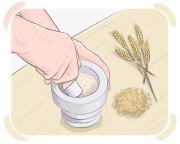
to crush something into small particles by rubbing or pressing it against a hard surface
moler
En la cocina, usó un mortero y una maja para moler las especias para el curry.
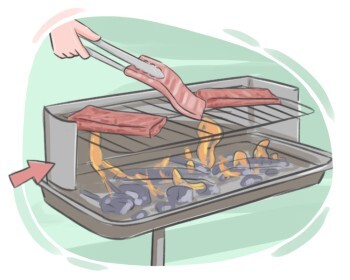
to cook something, especially meat, over a fire or in an oven for an extended period
asar, tostar
Asar el pollo entero al fuego en un asador para una piel deliciosa y crujiente.
having the flavor, smell, or qualities characteristic of chocolate
achocolatado, con sabor a chocolate
Ella eligió un lápiz labial en un tono profundo y achocolatado.
an inorganic element needed by the body for normal growth and functioning
mineral
officially recognized through documentation as qualified for a profession or activity
certificado, acreditado
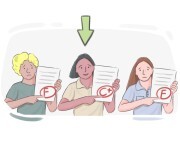
to a specific degree, particularly when compared to other similar things
relativamente
El costo de vida aquí es relativamente bajo.
to have the amount of money needed to buy necessities
vivir
El freelancer vivía de unos ingresos basados en proyectos, que a veces podían ser impredecibles, pero siempre encontraba la manera de salir adelante.

to start loving someone deeply
enamorarse de
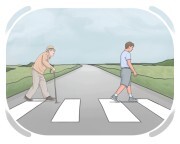
to cause something to be separated into pieces
romper, desmenuzar
Él rompió el hielo en cubos más pequeños para las bebidas.
a long, narrow area of land that connects places or extends along a route such as a road or river
corredor, pasillo
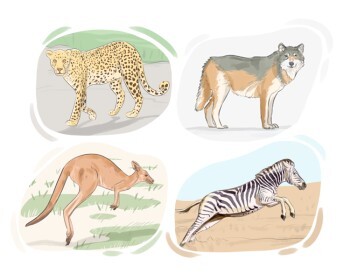
a warm-blooded vertebrate animal whose females produce milk to feed their young and that typically has hair or fur
mamífero
tiny grains produced by flowers that carry male reproductive cells
polen
El polen era visible en los estambres de la flor.
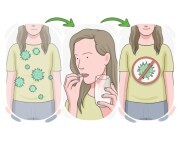
to act against something in order to reduce its effect
contrarrestar
El ejercicio físico es esencial para contrarrestar el estilo de vida sedentario del trabajo de oficina.

to reduce something in amount, degree, level, value, strength, or quality
reducir
the process by which a liquid changes into vapor from its surface
evaporación, vaporización
a safe or secure place, often emphasizing security or sanctuary
refugio

the existence of a range of different plants and animals in a natural environment
biodiversidad
La pérdida de la biodiversidad debido a la deforestación tiene impactos significativos en los patrones climáticos globales.
a vast, open area or surface
amplitud
El desierto se extendía como una extensión interminable ante nosotros.
to make effective or profitable use of a resource, opportunity, or ability
explotar, aprovechar
to officially introduce or launch a new product, service, or system
lanzar oficialmente, introducir en el mercado o uso público
El gobierno planea implementar una serie de recortes de impuestos en los próximos años.
a person or animal that lives in a particular place
habitante
| Cambridge IELTS 15 - Academic | |||
|---|---|---|---|
| Prueba 3 - Lectura - Pasaje 3 | Test 4 - Escucha - Parte 1 | Prueba 4 - Comprensión Auditiva - Parte 2 | Prueba 4 - Audición - Parte 3 |
| Prueba 4 - Escucha - Parte 4 | Prueba 4 - Lectura - Pasaje 1 | Prueba 4 - Lectura - Pasaje 2 | Prueba 4 - Lectura - Pasaje 3 |
