
Cambridge IELTS 15 - Academic - Test 4 - Reading - Passage 1
Learn vocabulary from Cambridge IELTS 15 Academic, Test 4 Reading Passage 1, and review useful words and expressions from this reading text.
Review
Flashcards
Forms
Spelling
Quiz
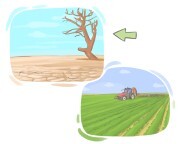
(of land or a climate) very dry because of not having enough or any rain

to respond positively or with joy to an event, development, or change
to force or fit someone or something into a small or crowded space
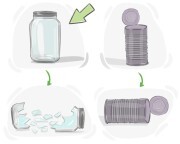
easily damaged or broken
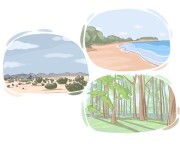
a community of living organisms together with their physical environment, interacting as a system
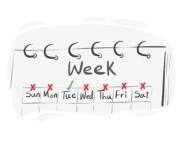
in a manner that almost does not occur or happen

happening the whole year
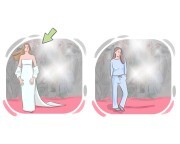
fitting for a specific purpose, situation, or person
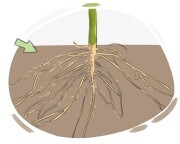
the underground part of a plant that absorbs water and minerals, sending it to other parts
to draw liquid or moisture into something by creating a vacuum or suction
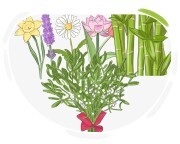
a scientist who studies ancient plant remains from archaeological sites to learn about past human-plant interactions and environments
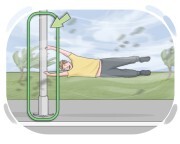
to resist or endure the force, pressure, or challenges imposed upon oneself
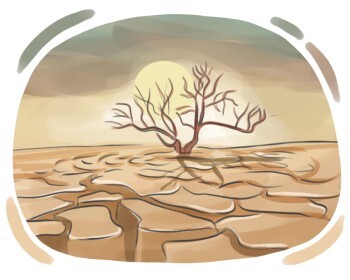
a long period of time when there is not much raining
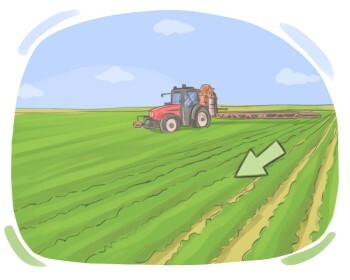
a plant that is grown for food over large areas of land
to lose strength or quality over time, becoming less effective or reliable

to put someone or something new instead of someone or something else
to cause something to fall by delivering a forceful blow, typically with the intent of bringing it to the ground
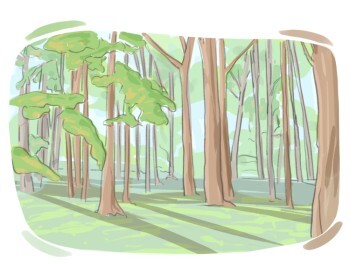
land covered with many trees, especially an area smaller or less dense than a typical forest

the gradual wearing away and removal of soil, rock, or other surface material by natural forces such as water, wind, or ice
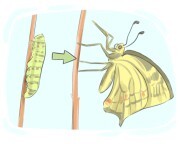
to change and become something else
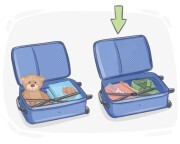
absolutely necessary and of great importance
(of a place) close to another
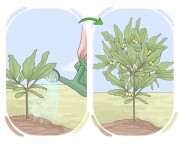
to cause a plant to develop and give fruit or flowers
a long and narrow casing filled with seeds that grows on some specific plants, such as beans and peas
a usually green part of a plant in which the photosynthesis takes place
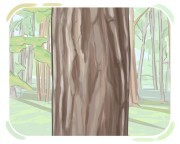
the tough outer covering of the stems, branches, and roots of trees and other woody plants
relating to or made from herbs, which are plants valued for their medicinal, aromatic, or culinary properties
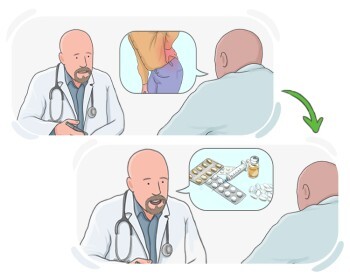
a medicine or treatment used to cure an illness or relieve pain or other symptoms
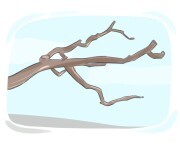
a part of a tree divided into some other parts on which the leaves grow
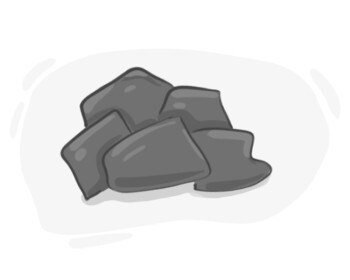
a hard black substance consisting of an amorphous form of carbon which is made by slowly burning wood and is used as fuel or for drawing
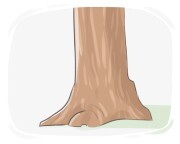
the main wooden body of a tree
to no longer be able be found or located, often leading to frustration
a student of or specialist in the scientific study of plants, their structure, genetics, classification, etc.
a scientist who studies the relationship between people and plants, focusing on how different cultures use plants for medicine, food, rituals, and other purposes
characterized by being at the forefront of new developments or leading the way in innovation and exploration
to bring something back into existence or operation, especially after a period of inactivity or decline
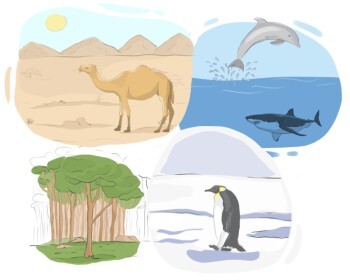
the natural environment in which a particular animal, plant, or other organism normally lives or grows
in agreement with or supportive of a plan, decision, or idea
an unfair and unreasonable opinion or attitude formed without sufficient knowledge or consideration
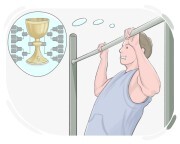
relating to goals or ideals that inspire ambition or desire for achievement
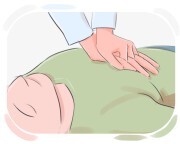
the act of recovering someone to a state of consciousness or life
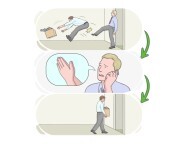
to restore someone or something to a previous state or position, especially after a temporary suspension or removal
a sense of self-respect, dignity, or personal worth
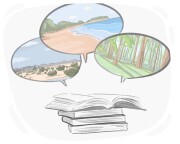
related to the connection between animals, plants, and humans and their environment
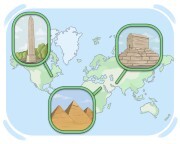
the traditions, customs, achievements, and cultural features passed down through generations within a society or community
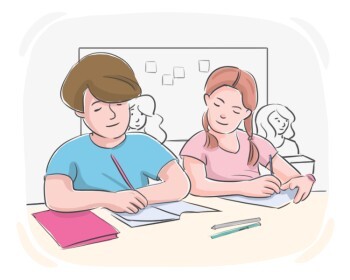
a child who attends classes at a school

the process of repairing an old building, artwork, or object to return it as closely as possible to its original condition
able to continue for a long period of time
to apply heat until food or a liquid starts to boil or cook
a seed or fruit of another plant that resembles a bean

having a heavy consistency that resists flowing easily

a thick sweet liquid made with sugar that is often used as a sauce
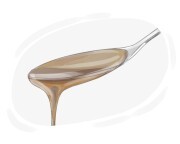
a thick, dark syrup with a strong and distinctive flavor, produced during the process of refining sugar
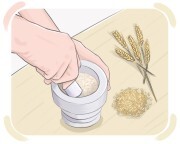
to crush something into small particles by rubbing or pressing it against a hard surface
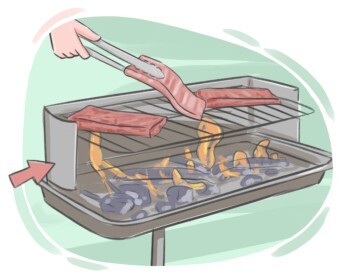
to cook something, especially meat, over a fire or in an oven for an extended period
having the flavor, smell, or qualities characteristic of chocolate
an inorganic element needed by the body for normal growth and functioning
officially recognized through documentation as qualified for a profession or activity
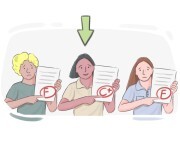
to a specific degree, particularly when compared to other similar things
to have the amount of money needed to buy necessities
![to [fall] in love](https://cdn.langeek.co/photo/40147/thumb/350?type=jpeg "to [fall] in love")
to start loving someone deeply
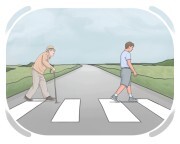
to cause something to be separated into pieces
a long, narrow area of land that connects places or extends along a route such as a road or river
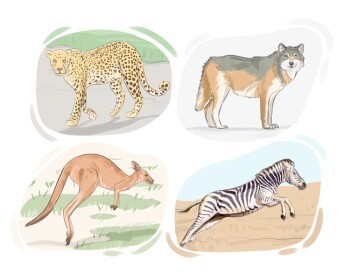
a warm-blooded vertebrate animal whose females produce milk to feed their young and that typically has hair or fur
tiny grains produced by flowers that carry male reproductive cells
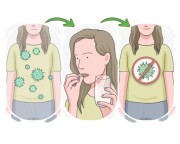
to act against something in order to reduce its effect
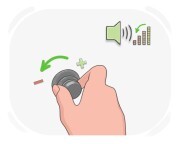
to reduce something in amount, degree, level, value, strength, or quality
the process by which a liquid changes into vapor from its surface
a safe or secure place, often emphasizing security or sanctuary

the existence of a range of different plants and animals in a natural environment
to make effective or profitable use of a resource, opportunity, or ability
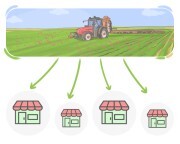
to officially introduce or launch a new product, service, or system
a person or animal that lives in a particular place
| Cambridge IELTS 15 - Academic | |||
|---|---|---|---|
| Test 3 - Reading - Passage 3 | Test 4 - Listening - Part 1 | Test 4 - Listening - Part 2 | Test 4 - Listening - Part 3 |
| Test 4 - Listening - Part 4 | Test 4 - Reading - Passage 1 | Test 4 - Reading - Passage 2 | Test 4 - Reading - Passage 3 |
