
Cambridge IELTS 15 - Academic - Prueba 4 - Lectura - Pasaje 3
Aprende vocabulario del Cambridge IELTS 15 Academic, Test 4 Reading Passage 3, y repasa palabras y expresiones útiles de este texto de lectura.
Revisión
Tarjetas de memoria
formas
Ortografía
Cuestionario


to exert a significant influence on the development, nature, or outcome of something

moldear, influir

related to the core and most important or basic parts of something
fundamental
to go against established norms or principles
infringir, violar
Violar las pruebas ofende los principios de la justicia.

a person whose occupation or hobby is catching fish
pescador
El pescador reparó su barco antes de salir al mar temprano en la mañana.
a workplace where fish are caught and processed and sold
pesquería, establecimiento pesquero
a government-imposed limit on the quantity of a product that may be imported, exported, or produced
cuota

the act of cutting down trees to use their wood
explotación forestal, tala

an agreement in which we agree to pay rent to use someone else's house, room, etc.
contrato de arrendamiento

using one's power or authority to do illegal things for personal gain or financial benefit
corrupto
El alcalde corrupto otorgó contratos gubernamentales a amigos y familiares sin competencia justa.
lacking practical knowledge and experience and tending to believe everything
poco sofisticado
Su comprensión poco sofisticada de la política la llevó a apoyar ciegamente a candidatos cuestionables.
a person who owns land
terrateniente, propietario de tierras

a rule made by the government, an authority, etc. to control or govern something within a particular area
regla, reglamento
to perform better or achieve superior results compared to someone or something else in a competitive context
superar, sobrepasar
El atleta entrenó duro para superar a sus rivales y ganar la medalla de oro.
a complete change, resulting in a situation that is opposite to the previous one
revés, inversión
to critique or find fault with something or someone
culpar, criticar
to overlook or neglect something important or noteworthy
ignorar, desatender
an organization that helps those in need by giving them money, food, etc.
organización benéfica
an individual or entity that owns shares of stock in a corporation
accionista

an action that one must perform because they are legally or morally forced to do so
obligación

used for stating conditions necessary for something to happen or be available
siempre que, siempre y cuando
El evento se llevará a cabo al aire libre, siempre que el clima coopere.
a senior manager who serves on a company's board of directors and participates in corporate governance
director
legally answerable to action or penalty under the law
responsable, sujeto
La empresa es responsable de sanciones según la nueva regulación.
to describe something using a specific word or phrase
denominar, calificar
to break an agreement, law, etc.
violar
legally obligated to act in the best interests of another party, typically when managing their assets or affairs
fiduciario, de confianza
Como asesora financiera, tiene una obligación fiduciaria de priorizar los intereses de sus clientes.
with full awareness and intention
a sabiendas
Sabían que ocultaban información a las autoridades.
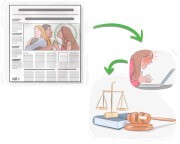
to bring a charge against an individual or organization in a law court
demandar

the lowest level of salary, set by the law
salario mínimo, sueldo mínimo
Él argumentó que el salario mínimo debería ajustarse por inflación.

to officially tell people something
declarar, manifestar
an individual, institution, etc. that owns shares or stocks in a corporation
accionista
El pago de dividendos fue recibido calurosamente por los accionistas, lo que refleja el compromiso de la empresa de compartir las ganancias con sus inversores.
used to indicate the method or channel by which something is done
por, a través de
Los fondos se recaudaron a través de donaciones.
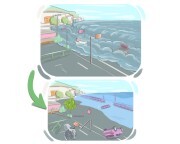
causing a lot of damage or harm
destructivo, destructor
La fuerza destructiva del terremoto derribó edificios e infraestructuras.

in the end of or over a long period of time
a largo plazo, con el tiempo
A largo plazo, hacer ejercicio con regularidad protege tu salud.

someone who works in the government or a law-making organization
político
not generating a profit, gain, or financial benefit
no rentable, deficitario
La inversión en la empresa en quiebra resultó ser no rentable, lo que resultó en reveses financieros.

(of a business) providing benefits or valuable returns
rentable
using natural resources in a way that causes no harm to the environment
sostenible
Construyeron un sistema de energía sostenible con paneles solares.

a sudden and unfortunate event that causes a great amount of death and destruction
desastre, catástrofe
to flow or fall out of a container or enclosed space
derramar
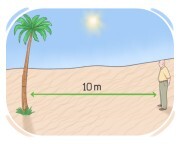
at or to a certain distance away in physical space
a
El campamento enemigo estaba situado a unos cientos de metros de distancia.
in a manner that is environmentally practical in the long term, without draining resources or causing harm
sosteniblemente
El empaque está diseñado para ser producido de manera sostenible y ser fácilmente reciclable.
to collect a useful resource so that it can be stored or used
recolectar, cosechar
data that shows the past performance of an organization, product, or person, often used as a basis of evaluation
historial
El historial de fiabilidad del producto fue un punto de venta clave.

to express your annoyance, unhappiness, or dissatisfaction about something
quejarse

to give or order the giving of something, such as payment, compensation, or a contract, based on judgment, merit, or entitlement
adjudicar, otorgar
to try very hard to persuade someone to do something
presionar, insistir
to make or accept a law by voting or by decree
aprobar, decretar

to make sure that a law, rule, or regulation is obeyed
hacer cumplir, hacer valer
a rule made by the government, an authority, etc. to control or govern something within a particular area
regla, reglamento
the act of applying or implementing an idea, theory, or plan into real-world actions or activities
práctica
in a sequential manner, referring to actions or events occurring in a specific order
por turnos, sucesivamente
Los empleados fueron llamados a la sala de reuniones por turnos para recibir sus evaluaciones de desempeño.
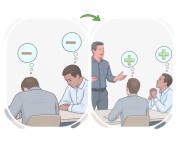
to apply force, power, authority, or influence in order to produce an effect
ejercer
the act or process of something becoming known or shared by a larger area or group
propagación, difusión
affected by a disease-causing agent, such as bacteria, viruses, or parasites
infectado
La herida infectada requería atención médica inmediata.

to no longer continue something altogether
abandonar
a wholesaler in the meat-packing business
mayorista de carne, comerciante de carne al por mayor
to decline in amount or value in a sudden and rapid way
desplomarse
El mercado de la vivienda experimentó una caída, lo que provocó que los valores de las propiedades desplomaran rápidamente.

feeling very angry or deeply offended
indignado, ultrajado
Se sintió indignada por los comentarios ofensivos del político.

to assign a rank, position, or category based on an assessment, comparison, or standard
clasificar, colocar
used to show compliance with a specific rule, guideline, or standard
de acuerdo con, conforme a, de conformidad con
El evento fue organizado de acuerdo con las leyes y regulaciones locales.

to begin to exist or become noticeable
surgir, aparecer
a rule or standard used to judge behavior as right or wrong
principio moral

expressed very clearly, leaving no doubt or confusion
explícito, claro
El mensaje del CEO fue explícito sobre la nueva dirección de la empresa.
to give someone the ability, strength, or confidence to take control or make decisions independently
empoderar, capacitar
El programa se centra en empoderar a los jóvenes para que se conviertan en líderes en sus comunidades.

the fact or state of not having the necessary information, knowledge, or understanding of something
ignorancia
La ignorancia de la ley no es una excusa para violarla, ya que se espera que las personas conozcan las reglas de la sociedad.
from the perspective or responsibility of a particular individual or group
por parte de, de parte de
El error fue cometido por parte de el contratista, quien no siguió las instrucciones.
to increase knowledge or understanding about a particular issue, cause, or topic
a formal rule or collection of rules enacted by a governing authority
legislación

an intense and selfish desire for something such as power and wealth
avaricia, avidez
La codicia puede cegar a las personas ante las necesidades y luchas de los demás.
| Cambridge IELTS 15 - Academic | |||
|---|---|---|---|
| Prueba 3 - Lectura - Pasaje 3 | Test 4 - Escucha - Parte 1 | Prueba 4 - Comprensión Auditiva - Parte 2 | Prueba 4 - Audición - Parte 3 |
| Prueba 4 - Escucha - Parte 4 | Prueba 4 - Lectura - Pasaje 1 | Prueba 4 - Lectura - Pasaje 2 | Prueba 4 - Lectura - Pasaje 3 |
