
Vocabulario del Sudeste Asiático - Tailandia
Revisión
Tarjetas de memoria
formas
Ortografía
Cuestionario


a food or substance used with others to prepare a particular dish

ingrediente

a plant whose leaves, seeds, or other parts are used for flavoring food, medicine, or fragrance
hierba, yerba

a white and creamy liquid made from coconut flesh, used as a substitute for dairy milk
leche de coco, crema de coco
La leche de coco le da a la sopa una textura cremosa.

the meat of shrimp commonly eaten as seafood
gamba, carne de camarón
Pedieron un cóctel de camarones como aperitivo.

a Thai curry made with green curry paste, cooked in coconut milk, and often combined with meat, vegetables, and herbs
curry verde, pasta de curry verde
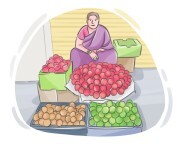
a person who sells goods, especially from a stall, cart, or other small place
vendedor
characterizing an area that is richly covered with natural plant life or foliage
verde

causing strong admiration or shock due to beauty or impact
impresionante, imponente
La vista desde la cima de la montaña era absolutamente impresionante.

the activity of swimming beneath the water's surface while breathing through a hollow tube named a snorkel
buceo de superficie
El snorkeling es una actividad popular en los destinos tropicales.
the activity of traveling along a suspended cable while attached to a harness
tirolesa, canopy
found only in small numbers so considered interesting or valuable
raro, poco común

to scatter a liquid in drops by throwing or moving it forcefully
salpicar
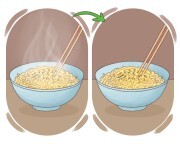
to decrease in temperature
enfriarse, refrescarse
El café estaba demasiado caliente para beber, así que esperé pacientemente a que se enfriara.
to put something on water or another liquid so that it remains on the surface or moves with the current
hacer flotar, poner a flote

a stick or block of wax or similar material with a wick that is burned to produce light
vela, candela
to stop holding on to, keeping, or being affected by something
a language in which variations in pitch or tone can distinguish different words or convey different meanings
lengua tonal

a fight between opposing armed forces, particularly during a war
batalla
a familiar or humorous name given to someone that is connected with their real name, appearance, or with something they have done
sobrenombre
Le apodaron "Oso" debido a su gran tamaño y su naturaleza gentil.
to show a particular quality, characteristic, or emotion
reflejar, mostrar

showing warmth and friendliness to a guest or visitor
cordial, hospitalario, amable
A pesar de ser extraños, fueron recibidos con una actitud acogedora por los locales en el pequeño pueblo.

the most fundamental qualities of a person or animal's character
naturaleza

a building used for religious worship, especially in religions such as Hinduism and Buddhism
templo

to personally be involved in and understand a particular situation, event, etc.
experimentar

short in duration
breve, corto
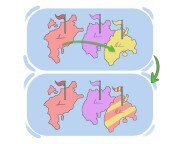
to establish control over an area or people, often by settling and exploiting it
colonizar
a nation with significant influence and authority on a global scale
potencia, superpotencia
the state of being free from the control of others
independencia

to stop trying when faced with failures or difficulties
rendirse, dejar de intentarlo
El equipo estaba perdiendo, pero no se rindieron, y su determinación condujo a una victoria de regreso.

the remains of a building, town, or other structure that has been destroyed or fallen into decay
ruinas
(of a place) characterized by constant activity, with people moving around, interacting, and creating a sense of liveliness
the act of assuming or maintaining a reclining position
reclinación, posición reclinada
resting or moving on the surface of a liquid without sinking
flotante

a long artificial waterway built for boats to travel along or for carrying water from one place to another
canal

something that we usually buy and bring back for other people from a place that we have visited on vacation
recuerdo
Compraron réplicas en miniatura de la Torre Eiffel como recuerdos para sus compañeros de trabajo después de su viaje a Francia.
an aspect or element of something contrasted with another aspect
aspecto, lado
a small stand or booth where food is prepared and sold
puesto de comida, puesto de comida ambulante

a type of thin, long food made with flour and egg, eaten in a soup or with sauce
fideo
Hizo una ensalada rápida de fideos para el almuerzo.

an oval tropical fruit with an orange-yellow flesh containing black seeds
papaya
Disfrutó de un tazón de trozos de papaya madura en el desayuno, encontrándolos dulces y refrescantes.
a popular Thai dessert made with sticky rice cooked in coconut milk, served with ripe mango slices
arroz pegajoso con mango, postre tailandés popular hecho con arroz glutinoso y mango
something that is necessary to have or do
necesidad

to be different from something or someone
diferir

to welcome or acknowledge someone when meeting them, usually with words or a gesture
saludar, recibir

a movement of the hands, face, or body used to express an idea, feeling, or intention
gesto
to exert a significant influence on the development, nature, or outcome of something
moldear, influir
a man who belongs to a religious community and usually lives in a monastery
monje

a loose cloak worn on official occasions or special ceremonies
traje de ceremonia, toga
Los estudiantes llevaban túnicas durante la ceremonia de graduación.
anything that is seen
vista, espectáculo

a belief that one will get the reward or face the consequences of one's good or bad actions
karma, destino
Enfrentó desafíos en la vida pero creyó que se debía a su karma pasado.

(of a group of people) having a strong friendly relationship with shared interests
muy unido
A pesar de mudarse a una nueva ciudad, rápidamente encontró un grupo de amigos unido que la hizo sentir como en casa.
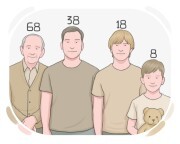
people born and living at approximately the same period of time
generación
to treat someone or something as more important than others

(usually plural) a set of things that allow someone to achieve their goal or live comfortably
necesidad
