pattern

Słownictwo Azji Południowo-Wschodniej - Tajlandia

Przegląd

Fiszki

formy

Pisownia

Test

Zacznij naukę
Southeast Asia Vocabulary
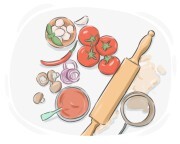
ingredient
ingredient
[Rzeczownik]

a food or substance used with others to prepare a particular dish

Ex: Daniel mixed the dry ingredients before adding the milk. 
herb
herb
[Rzeczownik]

a plant whose leaves, seeds, or other parts are used for flavoring food, medicine, or fragrance

zioło

zioło

Ex: Add the fresh herbs just before serving the soup. 
coconut milk
coconut milk
[Rzeczownik]

a white and creamy liquid made from coconut flesh, used as a substitute for dairy milk

mleko kokosowe, śmietanka kokosowa

mleko kokosowe, śmietanka kokosowa

Ex: They made a smoothie with coconut milk and bananas. 

Zrobili smoothie z mlekiem kokosowym i bananami.

shrimp
shrimp
[Rzeczownik]

the meat of shrimp commonly eaten as seafood

krewetka, mięso krewetki

krewetka, mięso krewetki

Ex: He added shrimp to the spicy stir-fry. 

Dodał krewetki do ostrego stir-fry.

green curry
green curry
[Rzeczownik]

a Thai curry made with green curry paste, cooked in coconut milk, and often combined with meat, vegetables, and herbs

zielone curry, pasta zielonego curry
zielone curry, pasta zielonego curry

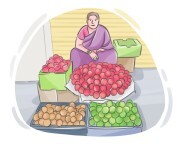
vendor
vendor
[Rzeczownik]

a person who sells goods, especially from a stall, cart, or other small place

sprzedawca,  handlarz

sprzedawca, handlarz

Ex: A flower vendor stood near the entrance to the park. 
green
green
[przymiotnik]

characterizing an area that is richly covered with natural plant life or foliage

zielony

zielony

Ex: The green landscape was dotted with wildflowers and dense foliage. 
stunning
stunning
[przymiotnik]

causing strong admiration or shock due to beauty or impact

oszałamiający, zachwycający

oszałamiający, zachwycający

Ex: His performance was so stunning that it left the audience speechless. 

Jego występ był tak oszałamiający, że pozostawił publiczność bez słów.

snorkeling
snorkeling
[Rzeczownik]

the activity of swimming beneath the water's surface while breathing through a hollow tube named a snorkel

snorkeling

snorkeling

Ex: He spotted a sea turtle while snorkeling. 

Zauważył żółwia morskiego podczas snorkelingu.

zip-lining
zip-lining
[Rzeczownik]

the activity of traveling along a suspended cable while attached to a harness

zjazd na tyrolce, tyrolka

zjazd na tyrolce, tyrolka

Ex: The resort offers zip-lining above the rainforest canopy. 
rare
rare
[przymiotnik]

found only in small numbers so considered interesting or valuable

rzadki, cenny

rzadki, cenny

Ex: The auction featured a rare painting by the artist, one of only a few still known to exist. 
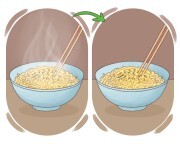
to splash
to splash
[Czasownik]

to scatter a liquid in drops by throwing or moving it forcefully

chlapać
chlapać

Ex: She was splashing water over the dusty plants. 
to cool down
to cool down
[Czasownik]

to decrease in temperature

ochładzać się, stygnąć

ochładzać się, stygnąć

Ex: As the storm passed, the weather began to cool down, making the air more comfortable. 

Gdy burza minęła, pogoda zaczęła się ochładzać, czyniąc powietrze bardziej komfortowym.

to float
to float
[Czasownik]

to put something on water or another liquid so that it remains on the surface or moves with the current

puszczać na wodę,  utrzymywać na powierzchni

puszczać na wodę, utrzymywać na powierzchni

Ex: The children floated their toy boats in the stream. 
candle
candle
[Rzeczownik]

a stick or block of wax or similar material with a wick that is burned to produce light

świeca,  świeczka

świeca, świeczka

Ex: Sarah placed a scented candle beside the bathtub. 
to [let] go of {sth}

to stop holding on to, keeping, or being affected by something

Ex: He finally let go of his fear of failure. 
tonal language
tonal language
[Rzeczownik]

a language in which variations in pitch or tone can distinguish different words or convey different meanings

język tonalny
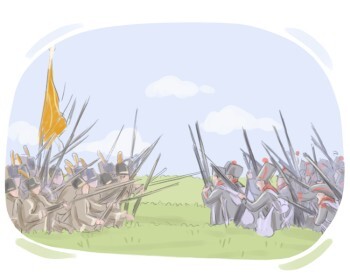
język tonalny

battle
battle
[Rzeczownik]

a fight between opposing armed forces, particularly during a war

bitwa, walka

bitwa, walka

Ex: The decisive battle changed the course of the war. 
nickname
nickname
[Rzeczownik]

a familiar or humorous name given to someone that is connected with their real name, appearance, or with something they have done

przydomek, ksywa

przydomek, ksywa

Ex: Her curly hair led to the affectionate nickname "Curls." 

Jej kręcone włosy przyniosły jej czuły przydomek "Kręcone".

to reflect
to reflect
[Czasownik]

to show a particular quality, characteristic, or emotion

odzwierciedlać, pokazywać

odzwierciedlać, pokazywać

Ex: His speech reflected the concerns of the community. 
welcoming
welcoming
[przymiotnik]

showing warmth and friendliness to a guest or visitor

gościnny, serdeczny

gościnny, serdeczny

Ex: The restaurant's staff were known for their welcoming demeanor, making diners feel valued and appreciated. 

Personel restauracji był znany ze swojego przyjaznego usposobienia, sprawiając, że goście czuli się doceniani i wartościowi.

nature
nature
[Rzeczownik]

the most fundamental qualities of a person or animal's character

natura, temperament

natura, temperament

Ex: Her trusting nature sometimes causes problems. 
temple
temple
[Rzeczownik]

a building used for religious worship, especially in religions such as Hinduism and Buddhism

świątynia
świątynia

Ex: Monks gathered inside the Buddhist temple for prayer. 
to experience
to experience
[Czasownik]

to personally be involved in and understand a particular situation, event, etc.

doświadczać, przeżywać

doświadczać, przeżywać

Ex: Traveling to a new country allows you to experience different cultures. 
brief
brief
[przymiotnik]

short in duration

krótki, zwięzły

krótki, zwięzły

Ex: The meeting was brief, lasting only ten minutes. 
to colonize
to colonize
[Czasownik]

to establish control over an area or people, often by settling and exploiting it

kolonizować

kolonizować

Ex: Over the centuries, various nations have colonized distant shores, leaving lasting impacts. 
power
power
[Rzeczownik]

a nation with significant influence and authority on a global scale

mocarstwo, supermocarstwo

mocarstwo, supermocarstwo

Ex: The United States is considered a major power in international politics. 
independence
independence
[Rzeczownik]

the state of being free from the control of others

niepodległość, autonomia
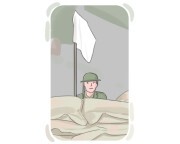
niepodległość, autonomia

Ex: The country gained its independence after years of colonial rule. 
to give up
to give up
[Czasownik]

to stop trying when faced with failures or difficulties

poddać się, przestać próbować

poddać się, przestać próbować

Ex: It’s easy to give up when things get tough, but perseverance is key. 

Łatwo jest poddawać się, gdy sprawy stają się trudne, ale wytrwałość jest kluczowa.

ruin
ruin
[Rzeczownik]

the remains of a building, town, or other structure that has been destroyed or fallen into decay

ruina,  ruiny

ruina, ruiny

Ex: Archaeologists uncovered the ruins of several houses. 
full of life

(of a place) characterized by constant activity, with people moving around, interacting, and creating a sense of liveliness

Ex: The streets of the town center are full of life during the festival. 
reclining
reclining
[Rzeczownik]

the act of assuming or maintaining a reclining position

leżenie,  pozycja półleżąca

leżenie, pozycja półleżąca

floating
floating
[przymiotnik]

resting or moving on the surface of a liquid without sinking

pływający,  unoszący się
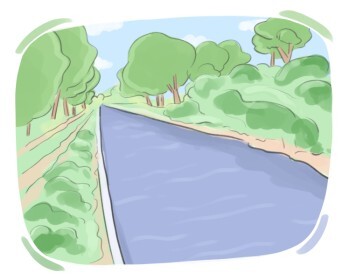
pływający, unoszący się

Ex: Floating ice surrounded the vessel overnight. 
canal
canal
[Rzeczownik]

a long artificial waterway built for boats to travel along or for carrying water from one place to another

Ex: Several bridges cross the canal through the city. 
souvenir
souvenir
[Rzeczownik]

something that we usually buy and bring back for other people from a place that we have visited on vacation

pamiątka, suwenir

pamiątka, suwenir

Ex: She bought a keychain souvenir from the gift shop to remember her trip to Paris. 

Kupiła breloczek pamiątkę w sklepie z upominkami, aby pamiętać o swojej podróży do Paryża.

side
side
[Rzeczownik]

an aspect or element of something contrasted with another aspect

aspekt, strona

aspekt, strona

Ex: The plan has a positive side and a negative side. 
food stall
food stall
[Rzeczownik]

a small stand or booth where food is prepared and sold

stragan z jedzeniem,  budka z jedzeniem

stragan z jedzeniem, budka z jedzeniem

Ex: We bought grilled chicken from a food stall near the market. 
noodle
noodle
[Rzeczownik]

a type of thin, long food made with flour and egg, eaten in a soup or with sauce

makaron, nudel

makaron, nudel

Ex: I enjoyed a comforting bowl of chicken noodle soup on a chilly evening. 

Cieszyłem się kojącą miską zupy kurczakowej z makaronem w chłodny wieczór.

papaya
papaya
[Rzeczownik]

an oval tropical fruit with an orange-yellow flesh containing black seeds

papaja, owoc papai

papaja, owoc papai

Ex: They bought a whole papaya from the market and scooped out the seeds to eat the ripe flesh. 

Kupili całą papaję na rynku i wydłubali nasiona, aby zjeść dojrzały miąższ.

mango sticky rice
mango sticky rice
[Rzeczownik]

a popular Thai dessert made with sticky rice cooked in coconut milk, served with ripe mango slices

kleisty ryż z mango, popularny tajski deser z kleistego ryżu gotowanego w mleku kokosowym

kleisty ryż z mango, popularny tajski deser z kleistego ryżu gotowanego w mleku kokosowym

must
must
[Rzeczownik]

something that is necessary to have or do

konieczność, must have
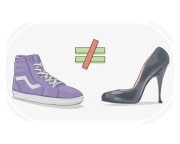
konieczność, must have

Ex: Comfortable shoes are a must for anyone planning to hike the trail. 
to differ
to differ
[Czasownik]

to be different from something or someone

różnić się, odbiegać
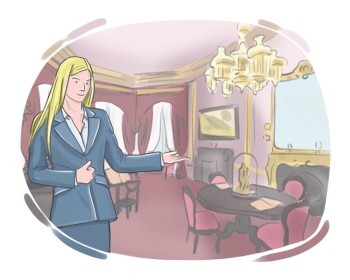
różnić się, odbiegać

Ex: The results of the experiment differ depending on the variables tested. 
to greet
to greet
[Czasownik]

to welcome or acknowledge someone when meeting them, usually with words or a gesture

Ex: She greeted her new coworkers politely on her first day. 
gesture
gesture
[Rzeczownik]

a movement of the hands, face, or body used to express an idea, feeling, or intention

gest, znak

gest, znak

Ex: She made a gesture of approval with her thumb. 
to shape
to shape
[Czasownik]

to exert a significant influence on the development, nature, or outcome of something

kształtować, wpływać

kształtować, wpływać

Ex: Early childhood experiences can shape a person's personality and attitudes later in life. 
monk
monk
[Rzeczownik]

a man who belongs to a religious community and usually lives in a monastery

mnich,  zakonnik

mnich, zakonnik

Ex: A young monk showed Sarah around the ancient monastery. 
robe
robe
[Rzeczownik]

a loose cloak worn on official occasions or special ceremonies

toga, płaszcz

toga, płaszcz

Ex: The king appeared in a richly decorated robe. 

Król pojawił się w bogato zdobionej szacie.

sight
sight
[Rzeczownik]

anything that is seen

widok,  spektakl

widok, spektakl

Ex: The empty streets were an unusual sight. 
karma
karma
[Rzeczownik]

a belief that one will get the reward or face the consequences of one's good or bad actions

karma, przeznaczenie

karma, przeznaczenie

Ex: He faced challenges in life but believed it was due to his past karma. 

Stawił czoła wyzwaniom w życiu, ale wierzył, że było to spowodowane jego przeszłą karmą.

close-knit
close-knit
[przymiotnik]

(of a group of people) having a strong friendly relationship with shared interests

zżyty, zgrany

zżyty, zgrany

Ex: The close-knit neighborhood association organized regular events and gatherings to strengthen the sense of community among its members. 

Zżyte stowarzyszenie sąsiedzkie organizowało regularne wydarzenia i spotkania, aby wzmocnić poczucie wspólnoty wśród swoich członków.
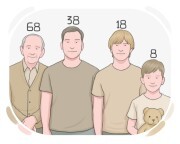
generation
generation
[Rzeczownik]

people born and living at approximately the same period of time

pokolenie, pokolenie

pokolenie, pokolenie

Ex: The older generation often reminisces about life before smartphones became ubiquitous. 
to [put] {sb/sth} first

to treat someone or something as more important than others

Ex: The organization puts environmental protection first. 
need
need
[Rzeczownik]

(usually plural) a set of things that allow someone to achieve their goal or live comfortably

potrzeby, konieczności

potrzeby, konieczności

Ex: Food, shelter, and clothing are basic needs for human survival. 
Słownictwo Azji Południowo-Wschodniej
TajlandiaWietnamMalezjaIndonezja
FilipinyKambodżaSingapurLaos
BruneiMjanma
LanGeek
Pobierz aplikację LanGeek